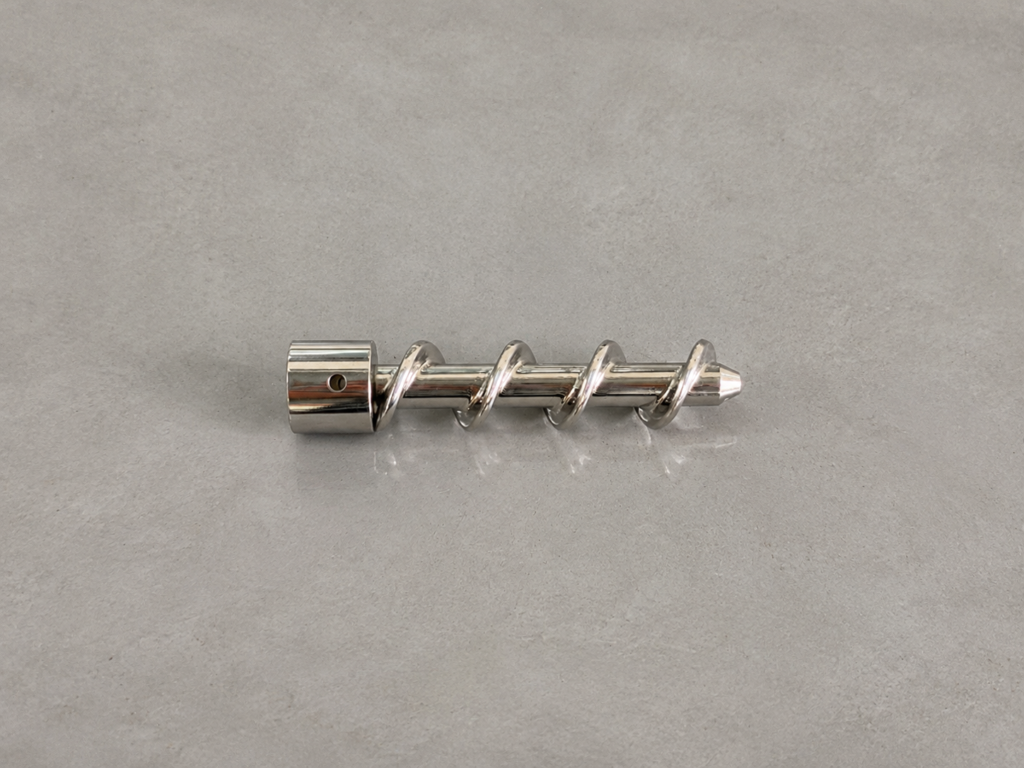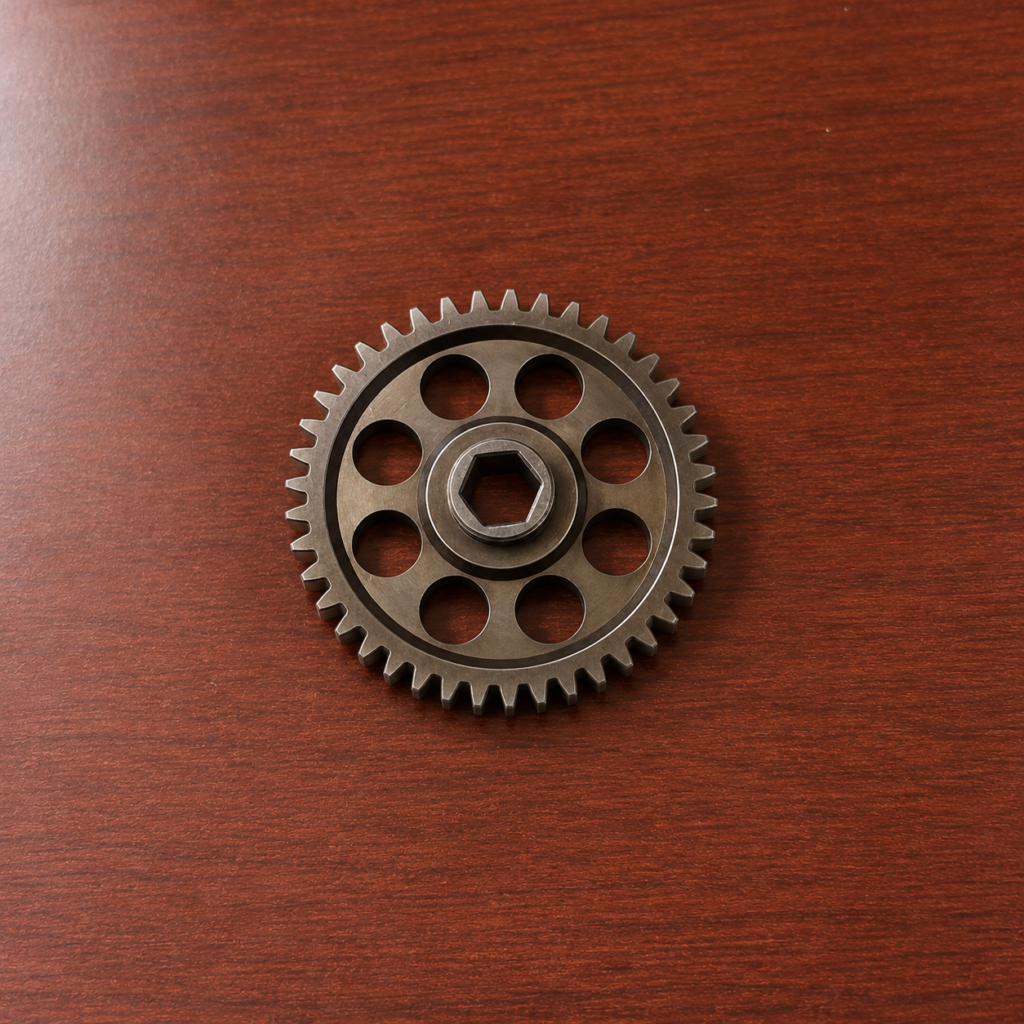
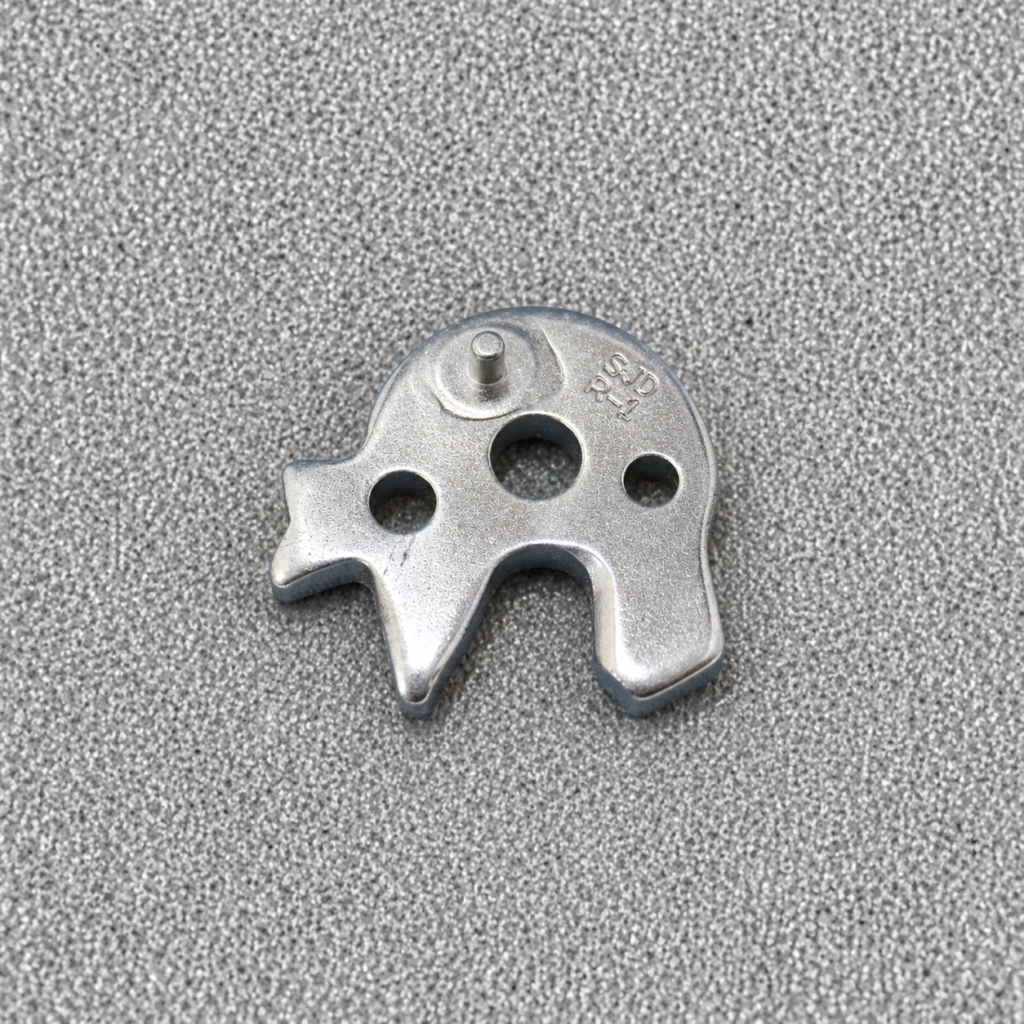
Precision CNC machining automotive door latch pawl production must balance two conflicting requirements. The pawl needs a hard, smooth contact surface for low friction and wear resistance, but it also requires a tough core that can withstand repeated door slamming and crash-related impact loads.
Achieving both properties requires coordinated material selection, geometry, heat treatment, machining, and surface finishing.
Separate Sliding Areas from Impact Areas
A door latch pawl contains several functional zones:
- Pivot hole or bearing surface
- Sliding contact with the release mechanism
- Engagement surface retaining the fork-bolt
- Spring contact area
- Edges subjected to impact during latching
These areas should not automatically receive the same hardness or coating. The pivot and sliding surfaces benefit from low friction, while the retaining profile must resist deformation, chipping, and sudden impact.
Internal friction can significantly affect both the quasistatic and dynamic behavior of automotive latch systems. This means friction reduction must be evaluated at assembly level rather than only through coating data. SAE Technical Paper 2019-01-5025
Use a Hard Surface with a Tough Core
Low-alloy steel is commonly suitable because it can combine core toughness with a hardened surface. Depending on the material and part thickness, the pawl may use carburizing, carbonitriding, induction hardening, or controlled through-hardening.
Case hardening is useful when the engagement surface requires high wear resistance without making the complete component brittle. The effective case depth must support contact stress, but an excessively deep or hard layer may increase cracking risk around thin sections and sharp corners.
Impact toughness should be evaluated at the lowest expected operating temperature. ISO 148-1 describes Charpy pendulum impact testing for determining the energy absorbed by metallic materials, although the finished pawl still requires component-level impact testing.
Optimize the Pawl Geometry
Impact resistance begins with geometry. Sharp internal corners, thin ligaments, and abrupt changes in section can concentrate stress.
Precision CNC machining should provide:
- Generous radii at profile transitions
- Consistent thickness around the pivot hole
- Smooth engagement contours
- Controlled chamfers at contact edges
- Adequate material behind the locking surface
The engagement profile must distribute load rather than concentrating it at one point. Excessive edge contact can deform the pawl, damage the coating, and increase release force.
Machine Critical Features After Heat Treatment
Heat treatment may distort the pivot hole, pawl profile, and flat surfaces. Where tolerances are demanding, semi-finish machining can occur before heat treatment, followed by grinding, honing, or precision finishing afterward.
The pivot hole requires particular attention because roundness and position influence movement resistance. A distorted or rough bore can cause intermittent friction and inconsistent release force.
Burrs must be removed without rounding the locking geometry. Even a small burr can scrape the mating component, damage lubricant, or prevent complete engagement.
Select Low-Friction Treatments Carefully
Suitable treatments depend on the corrosion environment, mating material, lubrication, and impact severity. Options may include:
- Manganese phosphate with lubricant
- Zinc-nickel plating with a compatible topcoat
- Electroless nickel on controlled surfaces
- PVD or DLC on selected sliding areas
- Dry-film lubricant on low-load contact zones

DLC and PVD coatings can reduce friction and wear, but a very hard coating over an insufficiently supported substrate may crack or delaminate under impact. Coating edges are especially vulnerable.
Selective treatment is often preferable. The pivot and sliding areas may receive a low-friction finish, while the highly loaded locking surface uses a qualified hardened condition and suitable lubricant.
Control Coating Thickness and Friction
Coating buildup can reduce pivot-hole clearance or change the pawl’s engagement position. Threads, holes, bearing surfaces, and precision profiles may require masking or dimensional compensation.
The friction coefficient must remain stable after temperature cycling, humidity exposure, contamination, and repeated operation. A coating that performs well when new may become noisy or sticky after lubricant loss.
Stick-slip at the latch and striker interface can produce creaking noise, so coating compatibility with the mating component is important. SAE Technical Paper 2017-36-0329
Validate the Complete Latch Assembly
Material hardness and coating thickness do not prove latch safety. Testing should cover:
- Closing impact at different temperatures
- Release force and friction consistency
- Wear cycling
- Corrosion exposure
- Coating adhesion after impact
- Static retention strength
- Inertial loading
- Contamination and lubricant loss
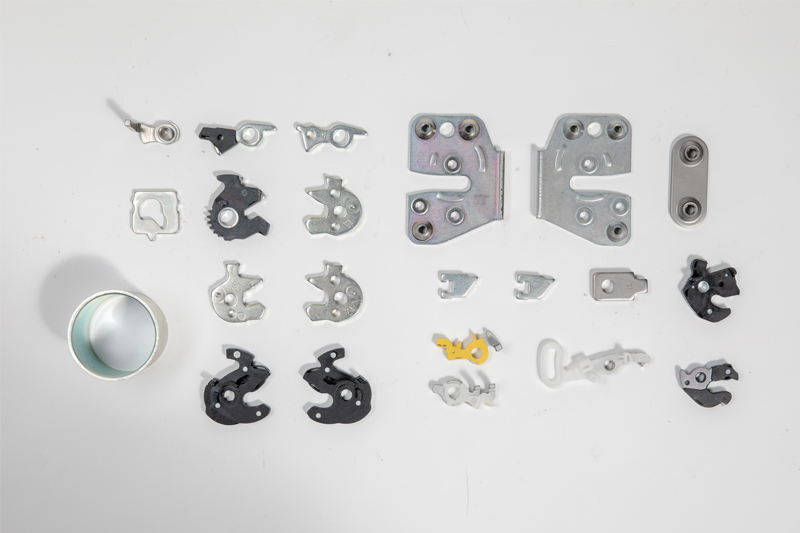
FMVSS No. 206 specifies load and inertial requirements for vehicle door locks and retention components, including latch-system resistance in fully and secondarily latched positions. 49 CFR §571.206
Conclusion
A reliable door latch pawl needs more than a low-friction coating. The best solution combines precision machining, smooth load paths, a tough steel core, controlled surface hardening, selective friction treatment, and complete latch testing under impact and environmental exposure.