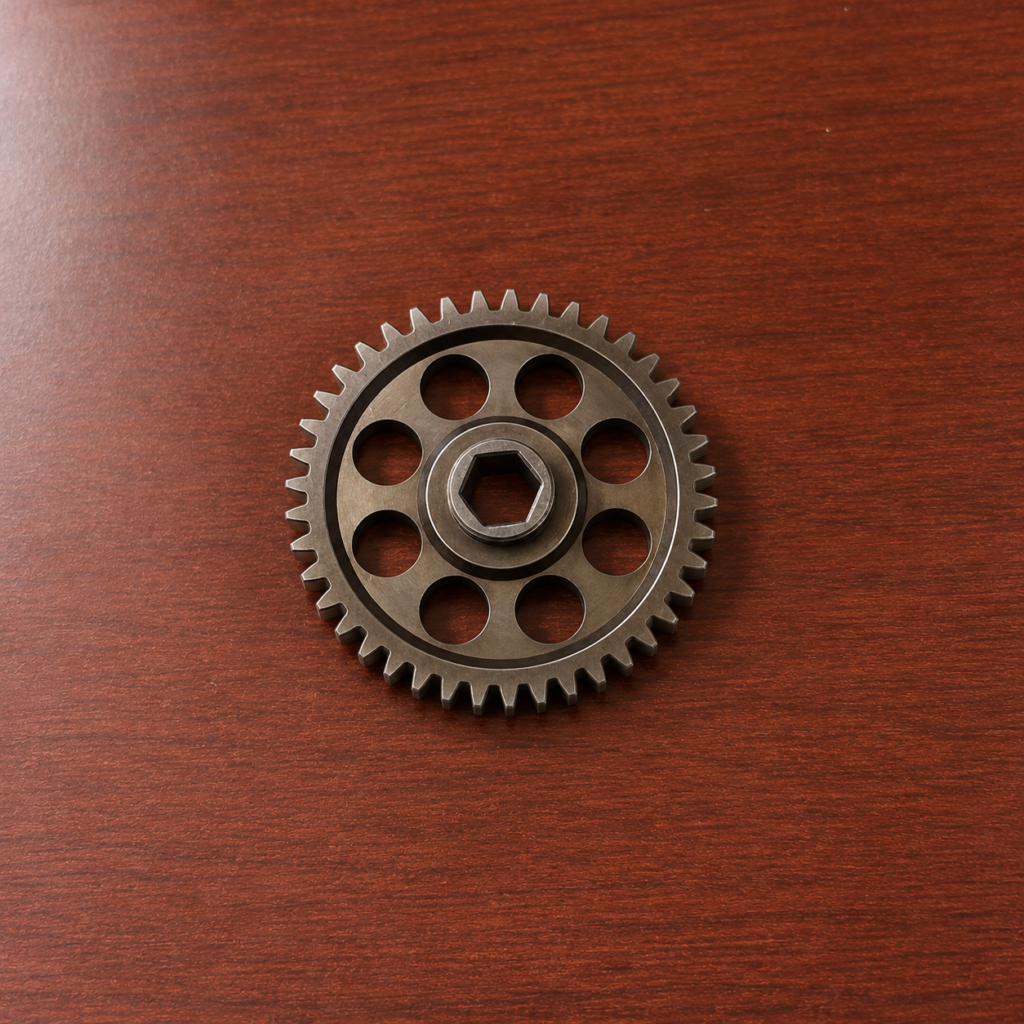
PVD coating powder metallurgy gears can improve wear resistance, reduce friction, and delay scuffing, but not every sintered gear is a suitable coating substrate. Residual porosity, trapped oil, surface roughness, and insufficient substrate strength can cause poor adhesion or early coating failure.
The best results are obtained from high-density gears with a surface condition designed specifically for coating.
Why Porosity Changes Coating Performance
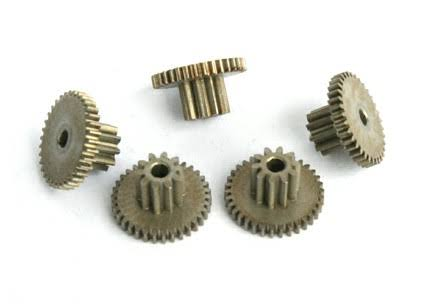
Conventional steel gears produced from wrought material have a relatively continuous surface. Powder metallurgy gears contain pores whose size and distribution depend on powder, compaction pressure, sintering conditions, and any secondary densification process.
Open pores can create several problems during PVD processing:
- Cleaning fluid or oil remains trapped
- Gas escapes inside the vacuum chamber
- Coating thickness becomes uneven around pores
- Sharp pore edges concentrate coating stress
- Thin films bridge cavities without supporting the load
- Corrosion can begin beneath coating defects
ISO 2738 specifies methods for determining density, oil content, and open porosity in permeable sintered metal materials, including structural parts produced by pressing and sintering. ISO 2738:2026
Density and open porosity should therefore be measured before selecting the coating process.
PVD Cannot Strengthen a Weak Gear Core
PVD coatings are thin and hard. They can protect the tooth surface, but they do not eliminate internal pores or significantly improve the tooth-root bending strength of the gear.
If the base material deforms under contact pressure, the hard coating may crack or delaminate. Likewise, a PVD layer cannot compensate for:
- Low gear density
- Inadequate sintering
- Weak tooth roots
- Poor heat treatment
- Excessive dimensional variation
- Large surface-connected pores
The substrate must be able to support the coating under repeated rolling and sliding contact.
Surface Densification Improves Suitability
Surface rolling, tooth-flank rolling, repressing, powder forging, or other densification methods can reduce porosity near the loaded surface. A dense outer layer gives the coating more continuous support while retaining the production advantages of powder metallurgy.
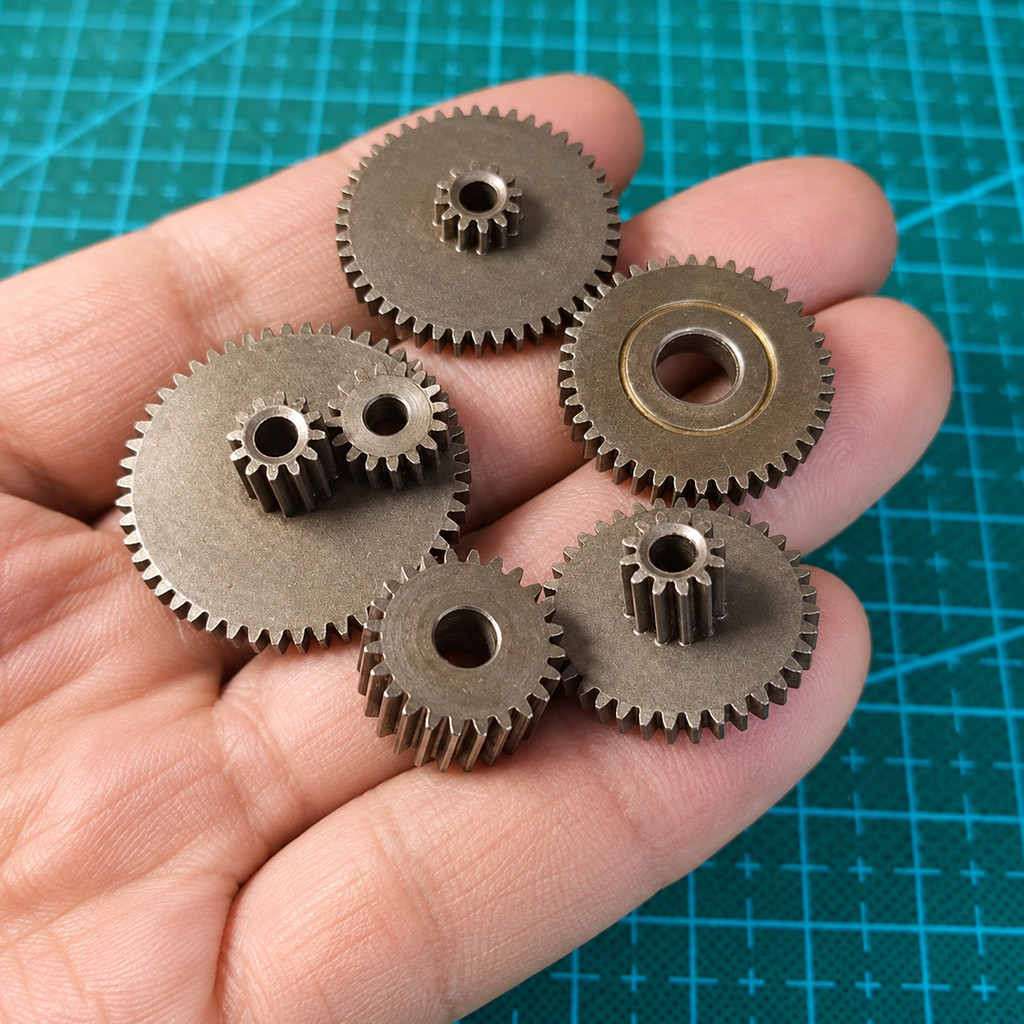
Machining or grinding after densification may be required to restore gear geometry and surface finish. However, excessive material removal can cut through the densified layer and expose porous material again.
The process plan must therefore define the required densified depth, final machining allowance, and minimum density beneath the tooth surface.
Prepare the Gear Before PVD Coating
Oil-impregnated gears are particularly difficult to coat. Oil can escape during vacuum heating and contaminate both the gear surface and coating chamber.
Cleaning may require:
- Degreasing
- Vacuum extraction or thermal outgassing
- Ultrasonic cleaning
- Rinsing with approved chemicals
- Thorough drying
- Plasma cleaning before deposition
The outgassing temperature must remain compatible with the gear’s heat treatment and dimensional stability.
Surface pores should not be filled with an unknown sealer simply to improve appearance. The sealer may release gas, reduce adhesion, or degrade at the PVD deposition temperature.
Control Surface Roughness
PVD coatings reproduce the underlying surface rather than leveling it. Rough tooth flanks, exposed pores, grinding burns, and sharp burrs remain functional defects after coating.
The surface should be smooth enough to reduce local stress and friction, but finishing must not alter the involute profile or lead accuracy.
Shot peening may improve fatigue behavior, but it can also increase roughness. When peening is used, a qualified polishing or superfinishing step may be needed before PVD deposition.
Select a Suitable PVD Coating
Possible coatings include CrN, TiCN, DLC, WC/C, and multilayer nitride systems. Selection depends on gear load, lubrication, operating temperature, mating material, and failure mode.
For example:
- CrN can provide wear and corrosion resistance.
- TiCN offers high hardness for abrasive conditions.
- DLC or WC/C can reduce friction and support low-lubrication applications.
- Multilayer coatings may improve crack resistance and load support.
ISO 21874 specifies methods for evaluating the composition, structure, and properties of PVD multilayer hard coatings. ISO 21874:2019
Coating hardness alone should not determine the choice. Adhesion, residual stress, toughness, surface finish, and compatibility with the lubricant are equally important.
Keep Deposition Temperature Under Control
PVD deposition and pretreatment expose the gear to heat. If the temperature approaches or exceeds the tempering range of the sintered steel, hardness and dimensions may change.
Low-temperature deposition may be required for heat-treated powder metal gears. The complete temperature history should be recorded and verified through post-coating hardness and dimensional inspection.
Test the Finished Gear Pair
Simple coupon tests cannot reproduce the contact pattern and porosity of a gear tooth. Qualification should use finished coated gears and the intended mating gear, lubricant, speed, torque, and temperature.
Testing should evaluate:
- Coating adhesion
- Tooth-profile accuracy
- Friction and efficiency
- Scuffing resistance
- Micropitting and macropitting
- Tooth-root fatigue
- Coating debris
- Lubricant contamination
- Wear after endurance cycling
Sectioned gears should also be inspected to determine whether cracks began in the coating, at surface pores, or inside the substrate.
Conclusion
Powder metallurgy gears can accept PVD coatings when they have sufficient density, a load-supporting substrate, controlled surface roughness, and thorough cleaning. PVD is most useful for improving friction and wear performance; it cannot repair porosity or replace proper gear design, densification, and heat treatment.