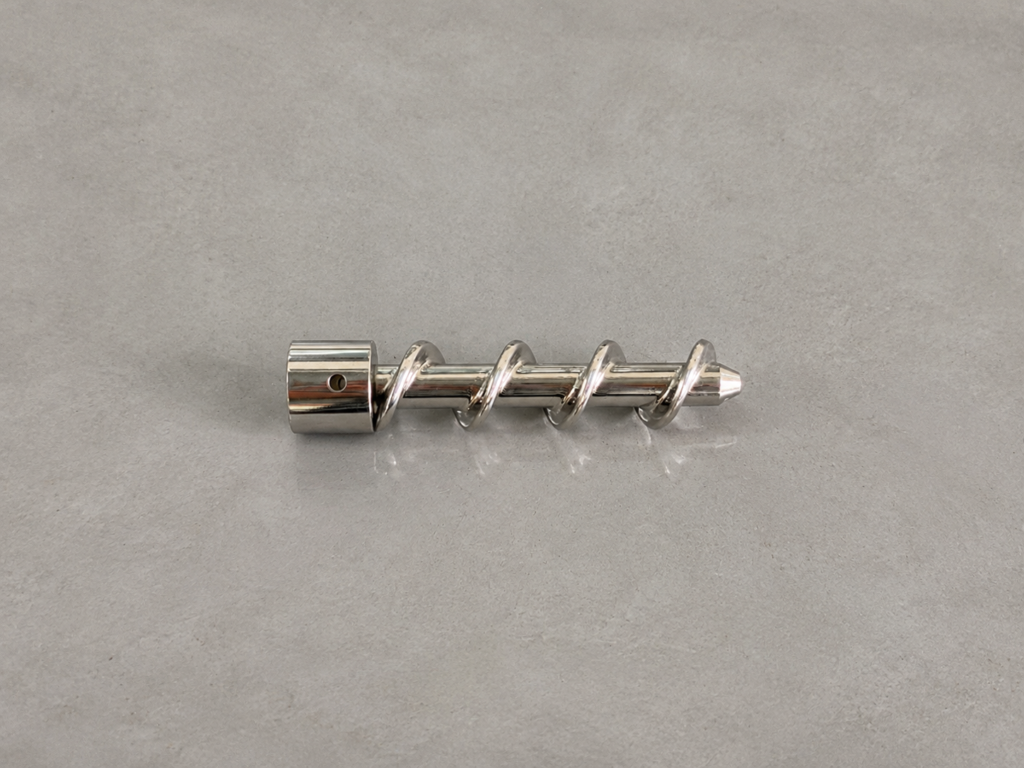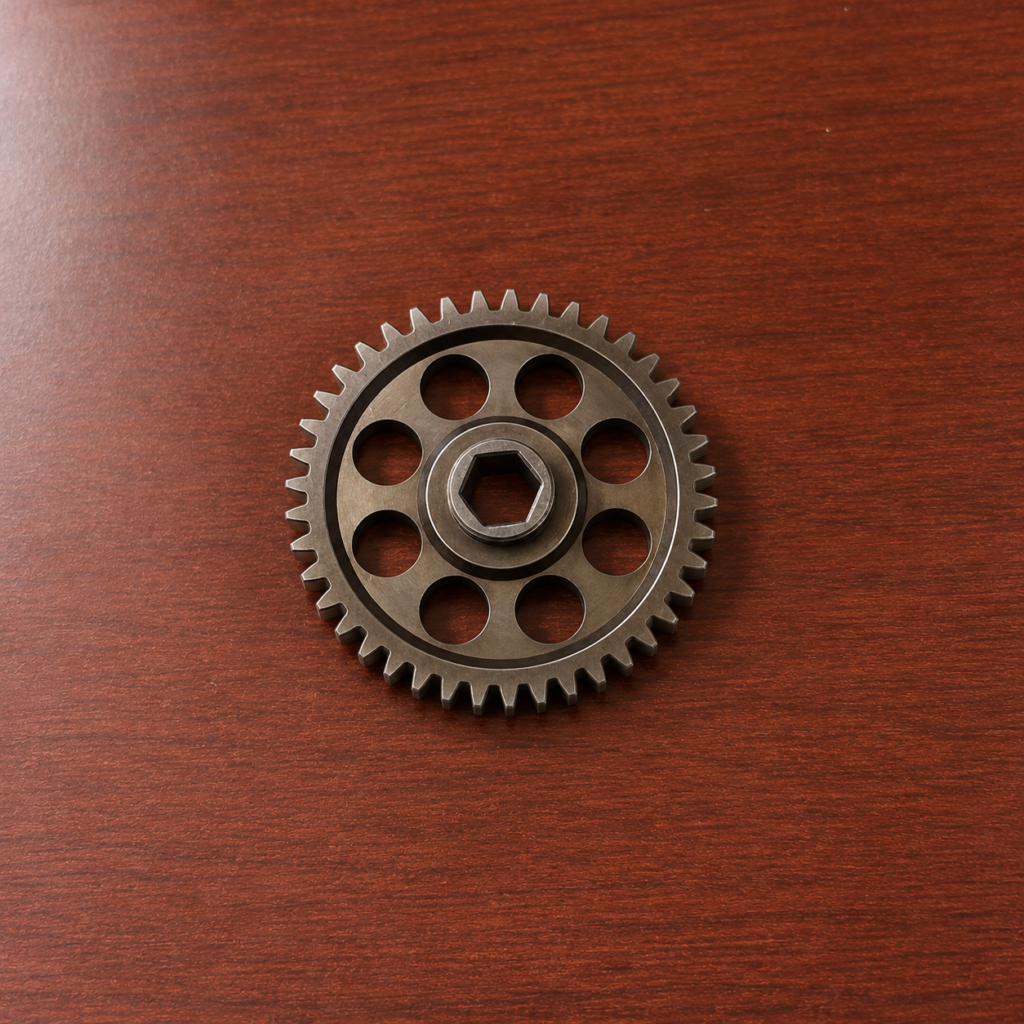
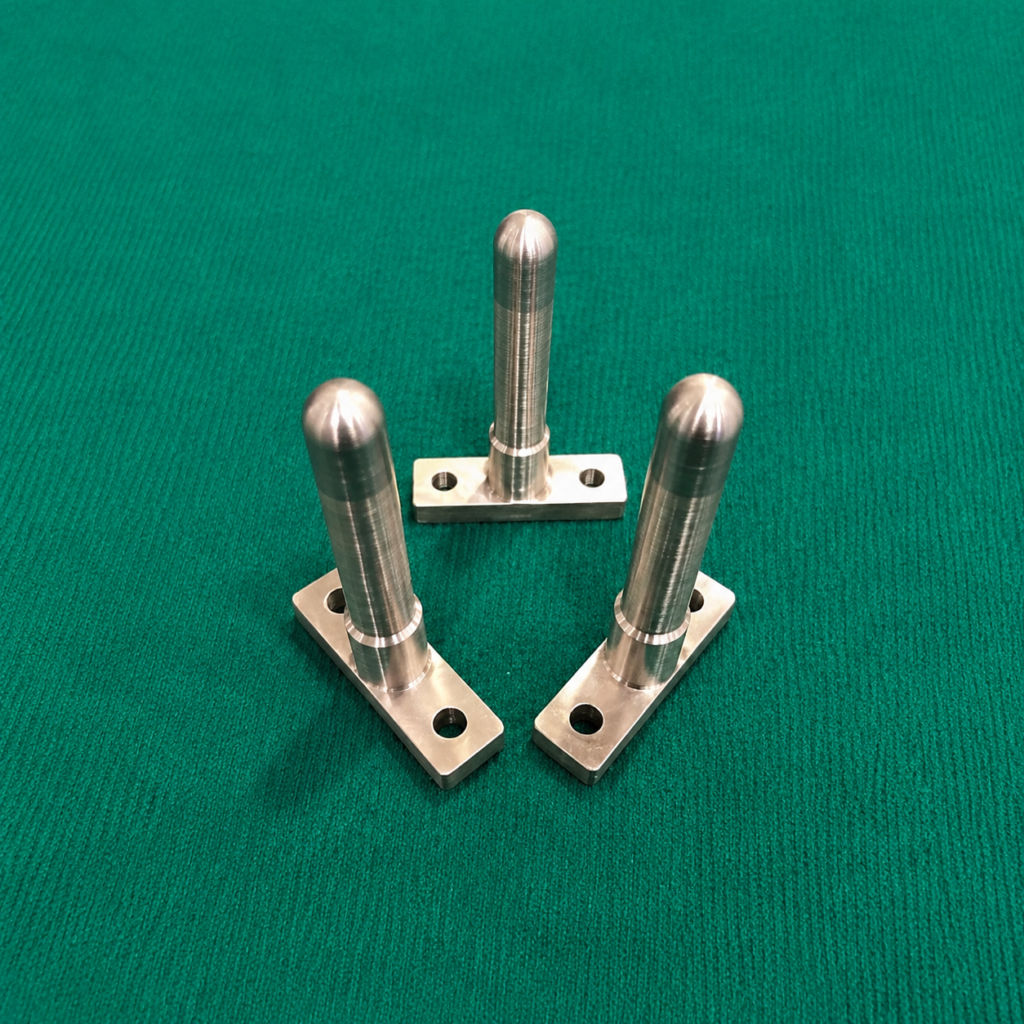
CNC machining provides the flatness, hole position, and contact geometry required by transformer copper terminals, while silver plating reduces contact resistance and protects the copper surface. However, silver-plated contacts may gradually turn yellow, brown, gray, or black during storage and service.
Blackening does not automatically mean that the contact has failed, but it should not be judged by appearance alone.
Why Does Silver Plating Turn Black?
The most common cause is silver sulfide formation. Silver reacts with sulfur-containing substances in the surrounding environment, including:
- Hydrogen sulfide in industrial air
- Sulfur-containing rubber and foam
- Paper, cardboard, and packaging adhesives
- Lubricants and cleaning agents
- Exhaust gases and chemical-process emissions
- Fingerprints and surface contamination
Humidity and elevated temperature can accelerate the reaction. The tarnish may appear first around edges, pores, fingerprints, or locations where condensation collects.
Copper diffusion through thin or porous silver plating can also contribute to discoloration. A suitable underlayer may be used to limit copper migration and improve coating performance.
Does Black Tarnish Reduce Conductivity?
The answer depends on where the tarnish occurs, how thick it is, and how the contact operates.
A thin discoloration on a non-contact exterior surface may have little effect on current transmission. In a high-pressure contact, surface asperities can penetrate or displace a thin film and create conductive metal-to-metal paths.
The risk is higher when black tarnish covers the actual mating interface and the joint has:
- Low contact pressure
- Poor flatness
- Insufficient bolt preload
- No wiping action
- High humidity
- Fretting movement
- Significant coating porosity
- Existing thermal damage
Silver sulfide is much less conductive than metallic silver. As the film becomes thicker or remains trapped between two contact faces, contact resistance may rise. Increased resistance generates heat, which can accelerate oxidation, reduce bolt preload, and further degrade the connection.
Research on tarnished silver contacts indicates that the relationship between visible blackening and electrical resistance is not always direct. Therefore, color alone cannot determine whether the contact remains acceptable.
CNC Machining Controls the Contact Interface
Before plating, the copper contact must have controlled flatness, parallelism, surface texture, and edge condition. Silver plating cannot correct a distorted or deeply scratched mating face.
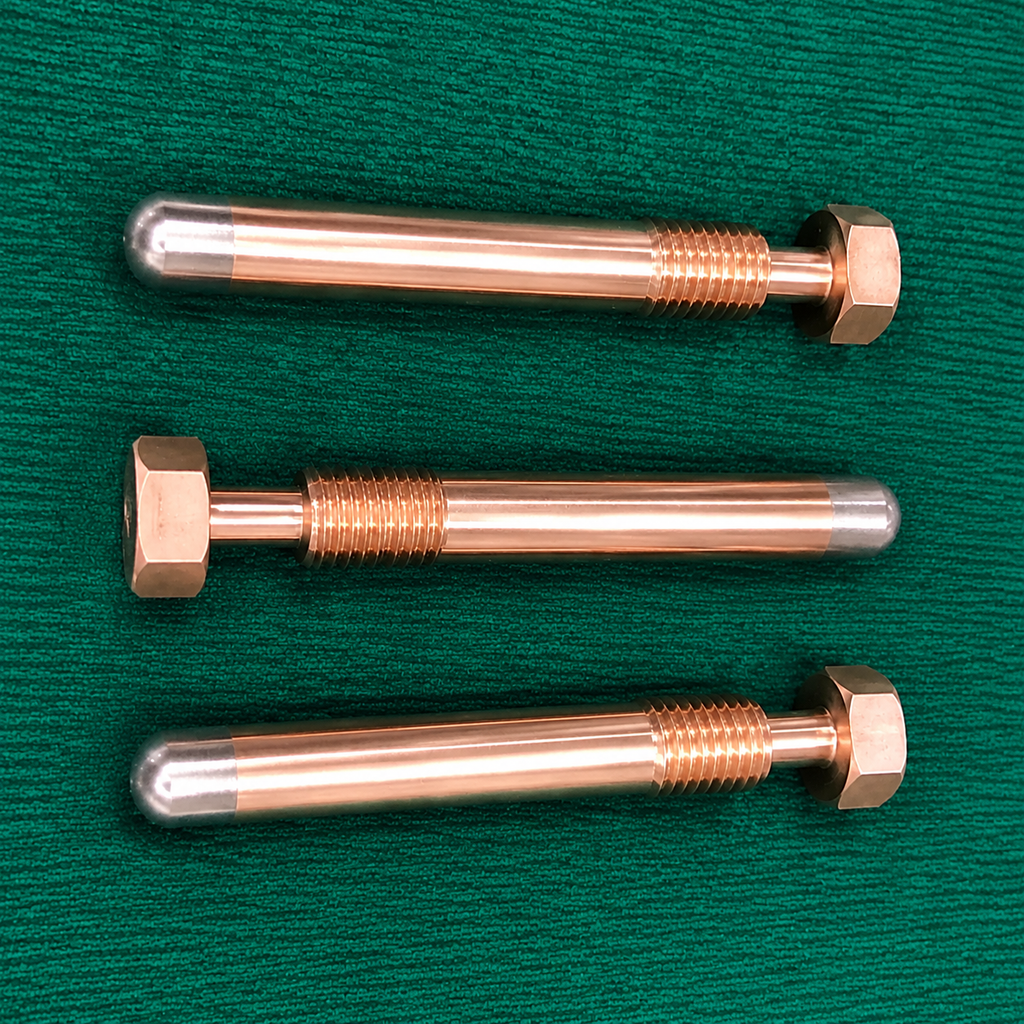
Important CNC machining requirements include:
- Flat and parallel contact surfaces
- Smooth transitions without raised burrs
- Correct bolt-hole position
- Controlled surface roughness
- Rounded edges that support uniform plating
- Adequate dimensional allowance for the coating
Deep cutter marks reduce the true contact area and create locations where contaminants can accumulate. Excessive polishing, however, may round critical edges or alter flatness.
Specify the Silver Plating System
The plating specification should define more than color and nominal thickness. It should include:
- Minimum silver purity
- Coating thickness
- Underplate material and thickness
- Adhesion requirements
- Porosity limits
- Surface finish
- Masking locations
- Post-plating protection
- Electrical acceptance criteria
ASTM B700 covers electrodeposited silver coatings for engineering applications and includes requirements related to purity, adhesion, appearance, electrical conductivity, hardness, and thickness. ASTM B700
Thickness should be sufficient for the expected current, contact pressure, mating cycles, and service environment. If the silver wears through, exposed nickel or copper may produce a rapid increase in contact resistance.
Test Resistance Instead of Judging Color
The most reliable assessment is a low-resistance measurement across the assembled contact. A four-wire Kelvin method avoids lead resistance from dominating the result.
IEC 60512-2-1 defines a standard method for measuring resistance across mated contacts or between a contact and a measuring gauge. IEC 60512-2-1
Evaluation should include:
- Initial contact resistance
- Comparison with unaffected contacts
- Voltage drop at rated current
- Temperature rise under load
- Bolt preload and joint condition
- Coating thickness and adhesion
- Evidence of pitting or copper exposure
A stable resistance and acceptable temperature rise indicate more about serviceability than surface color alone.
Should the Black Layer Be Removed?
Do not use sandpaper, wire brushes, or aggressive polishing compounds without an approved repair procedure. These methods may remove the silver layer, reduce flatness, and expose the copper or nickel underlayer.
Light contamination may be cleaned with a manufacturer-approved silver-contact cleaner and a nonabrasive cloth. The contact must be thoroughly dried before reassembly.
Replating or replacement is preferable when there is extensive coating loss, pitting, blistering, overheating, poor adhesion, exposed copper, or unacceptable contact resistance.
Conclusion
Blackening on silver-plated transformer contacts does not necessarily mean immediate conductivity failure. Its effect depends on film thickness, contact pressure, interface location, and joint condition. CNC machining quality, silver-plating control, resistance measurement, and temperature-rise testing should be evaluated together before deciding whether the contact can remain in service.