The Plate Fits the Bone, but the Screw Does Not Follow the Plan
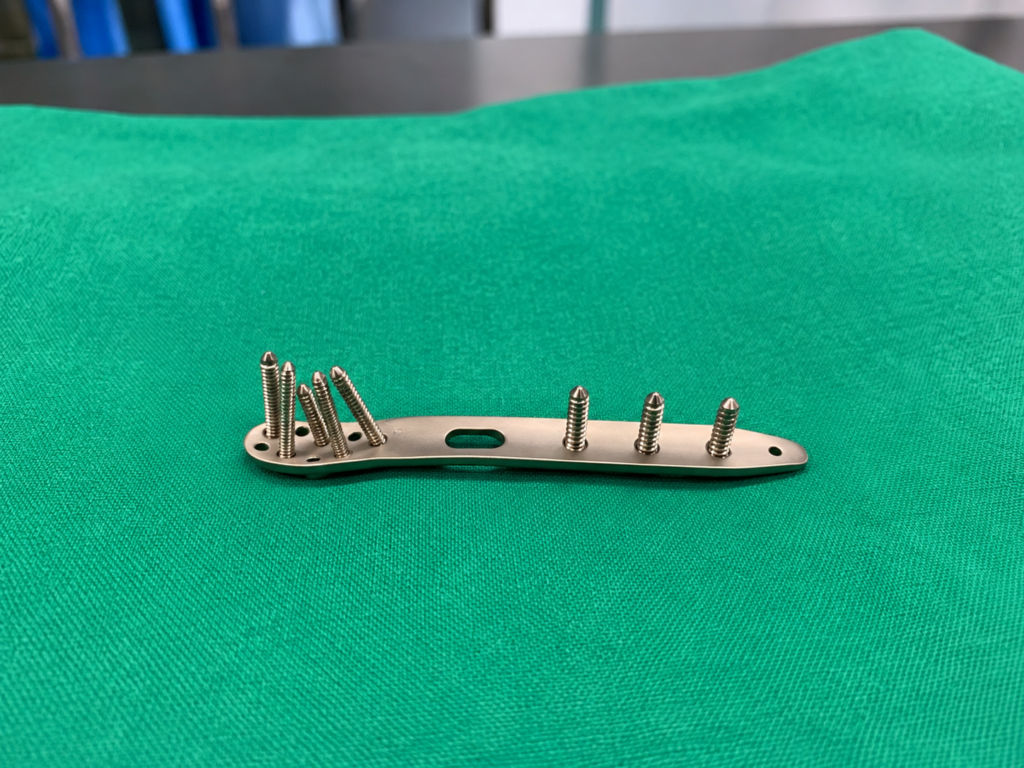
Bone plate screw hole position can affect intraoperative positioning when the hole geometry controls the intended screw path, the relationship between multiple screws, or the fit with a dedicated guide.
A plate may appear correctly shaped and its individual holes may meet diameter requirements. But if one or more hole centers shift from their intended locations, the surgeon may encounter an unexpected screw trajectory, limited access to the planned bone corridor, or mismatch with an aiming instrument.
This is especially important when the plate is designed around a defined anatomical contour or a fixed-angle locking construct.
Hole Diameter Is Not Enough
A screw hole can be round, smooth, and within its diameter tolerance while still being in the wrong location.
The functional requirement is the relationship between the hole axis and the plate’s other datums: its profile, central feature, adjacent holes, and locating surfaces. A positional deviation may move the screw entry point, change the screw’s final path, or reduce the intended spacing between screws.
For a pattern of holes, small individual deviations can also accumulate. The result may be a plate that accepts each screw separately but does not support the intended overall fixation layout.
Locking and Non-Locking Holes Behave Differently
The risk depends on the hole design.
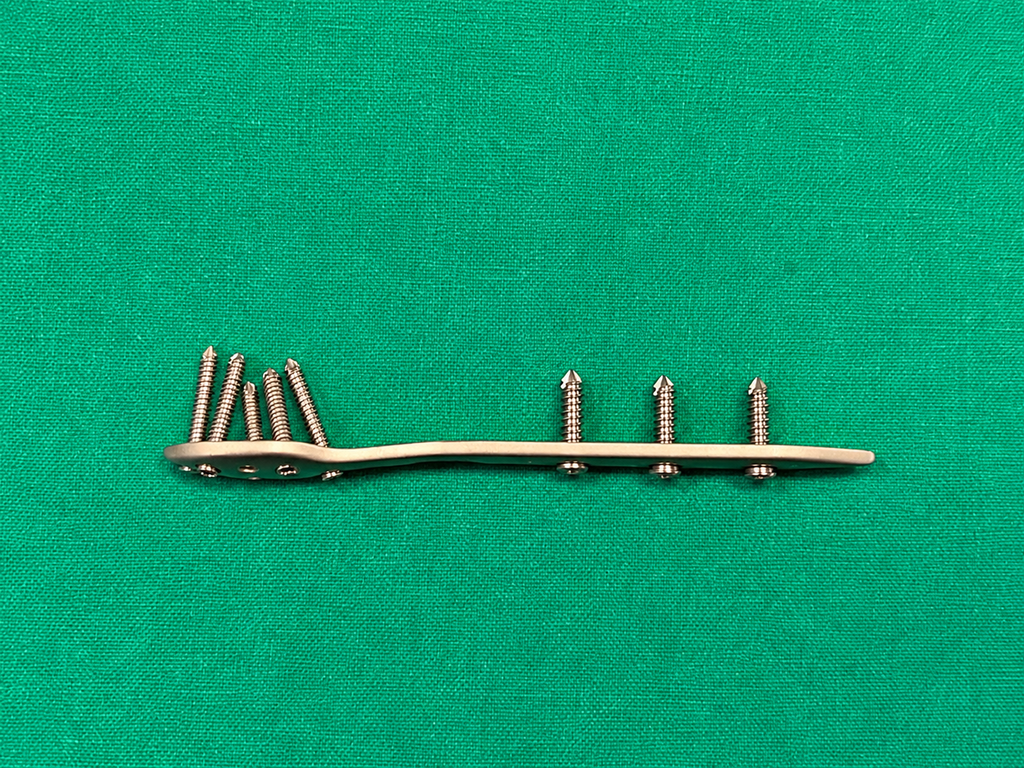
A non-locking compression slot may permit some adjustment during plate positioning. A locking hole, however, typically establishes a more defined screw angle. If the threaded or conical screw interface is displaced or tilted, the screw may not follow the validated trajectory when it locks into the plate.
Variable-angle systems also have permitted angular ranges, but this does not make hole position irrelevant. The actual allowable path must still remain within the device design and the validated screw–plate interface.
What Manufacturing Should Inspect
For close-tolerance plates, inspection should verify more than hole diameter and burr condition. Typical controls include:
- True position of each hole relative to functional datums
- Hole-axis direction and perpendicularity where applicable
- Center-to-center distances across the hole pattern
- Plate profile and contour relative to the hole pattern
- Thread quality or locking-interface geometry
- Fit with the specified drill guide, aiming device, and compatible screw
Coordinate measurement can identify geometric deviation, but functional assembly testing is equally valuable. A representative guide and screw should engage without cross-threading, binding, or unintended angular bias.
Why This Can Matter in the Operating Room
A positional error does not automatically cause a clinical problem. The actual effect depends on anatomy, surgical technique, plate design, screw type, and the magnitude and direction of the deviation.
However, poor hole location can reduce the surgeon’s intended placement options, complicate guide engagement, or create an unexpected screw path. In a multi-hole construct, it may also change screw spacing or the relationship between the plate and the targeted fixation region.
The Practical Answer
Yes—bone plate screw-hole position error can affect intraoperative positioning, even when the holes are the correct size.
The right quality question is not only, “Does the screw enter?” It is, “Does the plate, guide, and compatible screw reproduce the intended functional path?” For implantable devices, acceptance limits and verification methods must come from the validated design record and applicable regulatory requirements.