The Rod Is Oversize After Plating
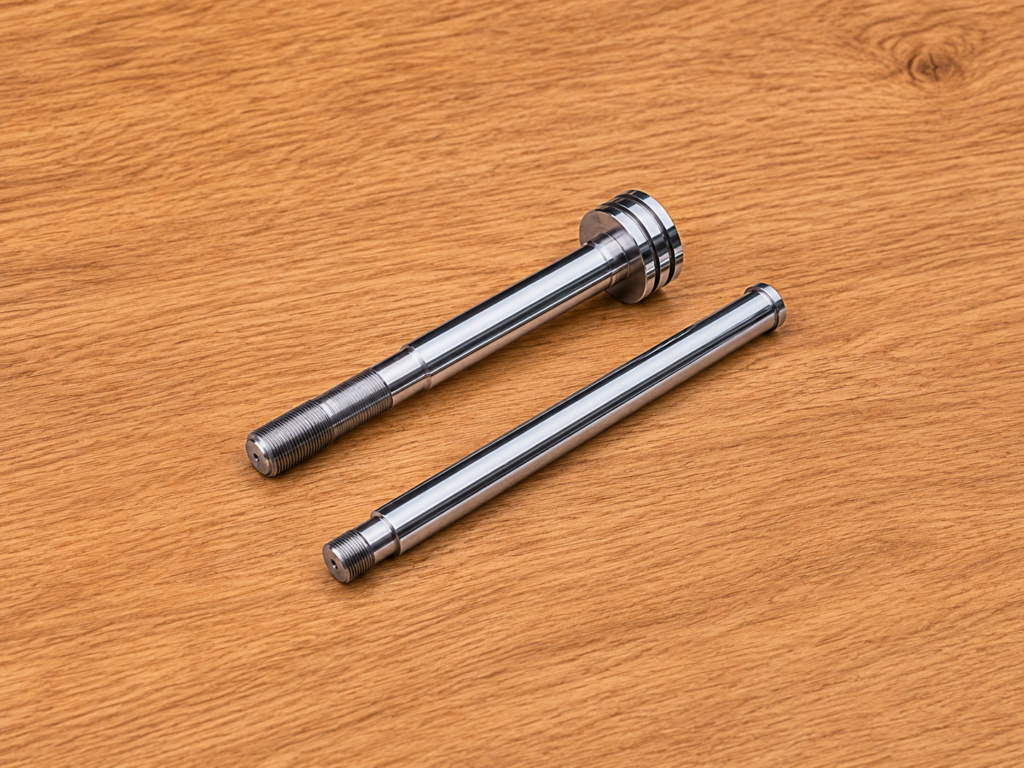
Piston rod chrome plating is commonly applied oversize, then ground to final diameter. Therefore, an oversize measurement after plating is not automatically a defect.
The decision is not simply “how much oversize is present?” The important question is whether finishing the rod by grinding will still leave a sound, continuous coating with the required thickness, surface finish, corrosion resistance, and dimensional accuracy.
A rod can be brought to the correct diameter and still fail in service if grinding exposes thin areas, creates local burn damage, or removes too much chromium near a highly loaded seal track.
First Confirm the Actual Condition
Before choosing rework, inspect more than the diameter.

Record the plated diameter at several axial and angular positions. Check taper, ovality, straightness, and runout. A single micrometer reading cannot show whether the deposit is uniform around the rod.
Also review:
- Specified final diameter and tolerance
- Minimum and maximum coating thickness
- Required surface roughness
- Required hardness, adhesion, and porosity criteria
- Location of the oversize area
- Any visible nodules, pits, cracks, burns, or edge buildup
The plating supplier should provide the actual deposition record and the intended grinding allowance. Compare these values with the approved drawing and coating specification.
When Controlled Grinding Is the Right Choice
Grinding is normally appropriate when the coating was intentionally deposited with sufficient allowance and remains sound after finishing.
A controlled process can remove the excess material while restoring final diameter, roundness, and surface finish. It should use a qualified grinding method, suitable coolant, and inspection at multiple locations.
Grinding is the preferred route when all of the following are true:
- The oversize amount is within the planned finishing allowance.
- Remaining chromium thickness will stay above the specified minimum.
- The coating is uniform and well adhered.
- No crack, blister, pit, or contamination is present.
- Final roughness and geometry can be achieved without overheating.
Do not assume the same allowance is safe on every rod. Chamfers, shoulders, cross-holes, thread runouts, and transitions can plate differently from the main sealing diameter.
When Stripping and Replating Is Safer
Replating is usually the better decision when grinding would leave insufficient coating thickness or reveal an unstable deposit.
This includes rods with severe thickness variation, poor adhesion, nodules, burnt areas, cracks, corrosion pits, or local damage in the seal-running zone. A rod may also require replating when the required repair would alter the base-metal diameter or compromise the geometry of a critical journal.
The strip-and-replate route needs its own engineering review. Confirm that the stripping method, surface preparation, stress-relief requirements, and hydrogen-embrittlement controls are appropriate for the rod material and heat treatment.
Do Not Grind Only to “Make It Pass”
A final diameter inside tolerance is necessary, but it is not enough. The hydraulic seal contacts the plated surface continuously. Surface defects or inadequate coating thickness can shorten seal life, cause leakage, or allow corrosion to begin beneath the coating.
Use a qualified acceptance plan that includes final diameter, coating thickness, roughness, visual condition, and—where specified—adhesion and porosity verification.
Prevent the Same Problem on the Next Batch
Set a controlled plating target based on final size plus validated grinding allowance. Measure coating buildup by position, not only at one end of the rod. Record bath condition, current distribution, racking method, masking, and grinding removal.
This turns an oversize event into process feedback instead of a repeated sorting issue.
Conclusion
Grind the rod when enough sound chromium will remain after finishing. Strip and replate when the deposit is too thin, nonuniform, damaged, or unable to meet the final functional requirements.
The correct decision protects the seal surface—not merely the final diameter.