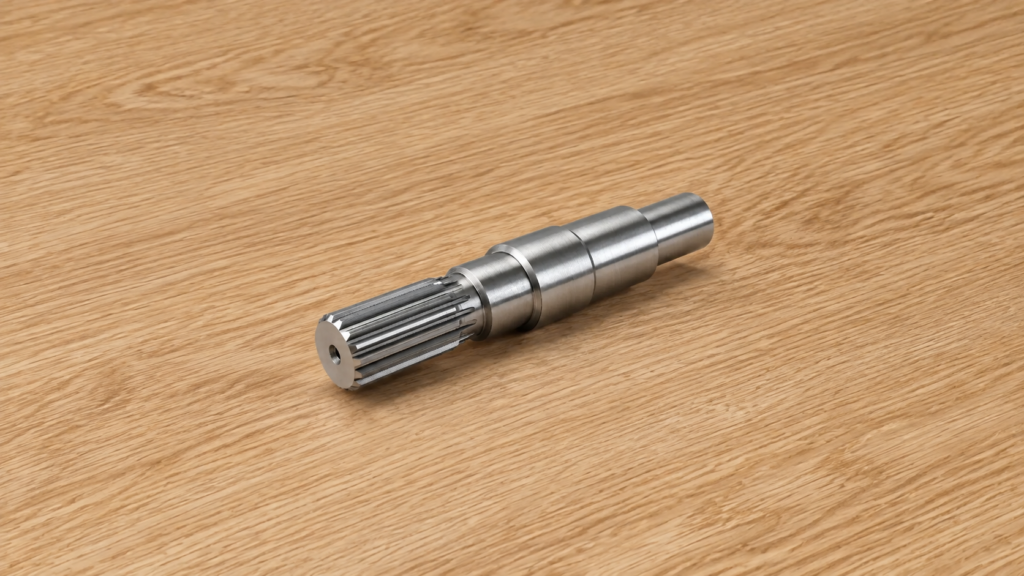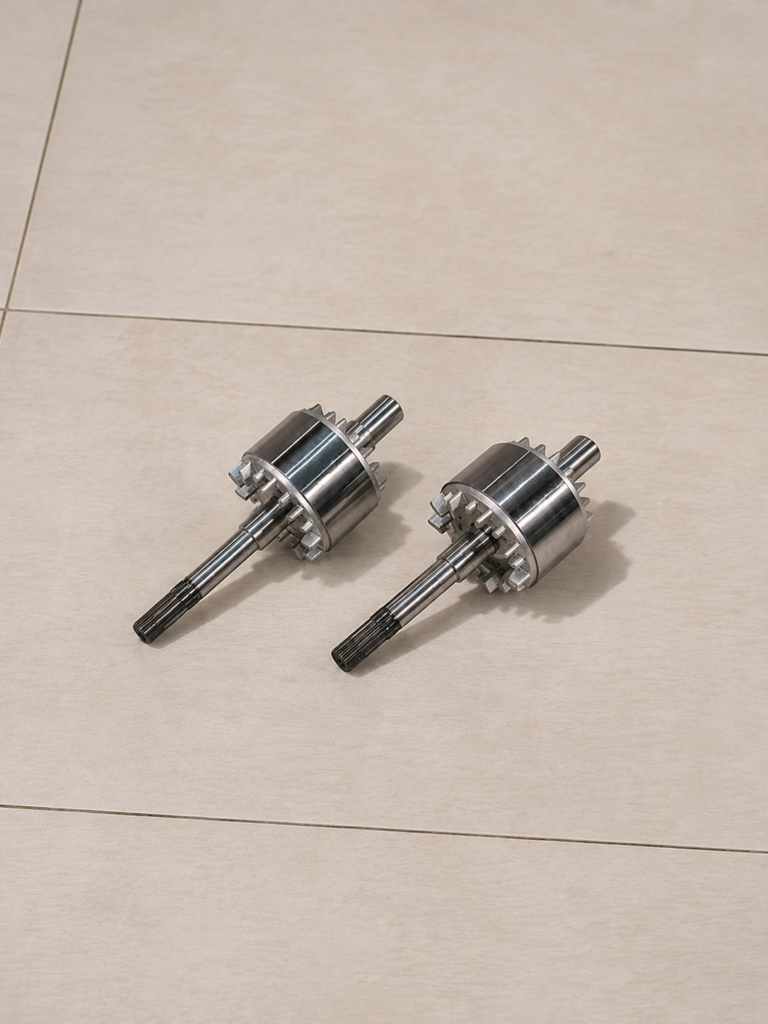
0.01 mm CNC machining tolerance is achievable under the right manufacturing conditions. However, this level of accuracy depends on the part design, material, machine condition, tooling, workholding, temperature, and inspection method.
What Affects Machining Accuracy?
Several factors determine whether ±0.01 mm can be achieved consistently.
Part Design and Material
Small, rigid parts with simple geometry are usually easier to control. Thin walls, long shafts, large surfaces, and deep cavities may deform during machining.
Aluminum, brass, and free-machining steels are generally suitable for precision machining. Stainless steel, titanium, and engineering plastics may require additional process control.
Machine, Tools, and Workholding
Machine accuracy, spindle condition, tool wear, and fixture design all affect final dimensions.
Excessive clamping force can deform thin parts. Worn tools can also cause dimensions to change during production.
Temperature and Inspection
Cutting heat and room temperature can cause small dimensional changes. Precision parts should be allowed to cool before final inspection.
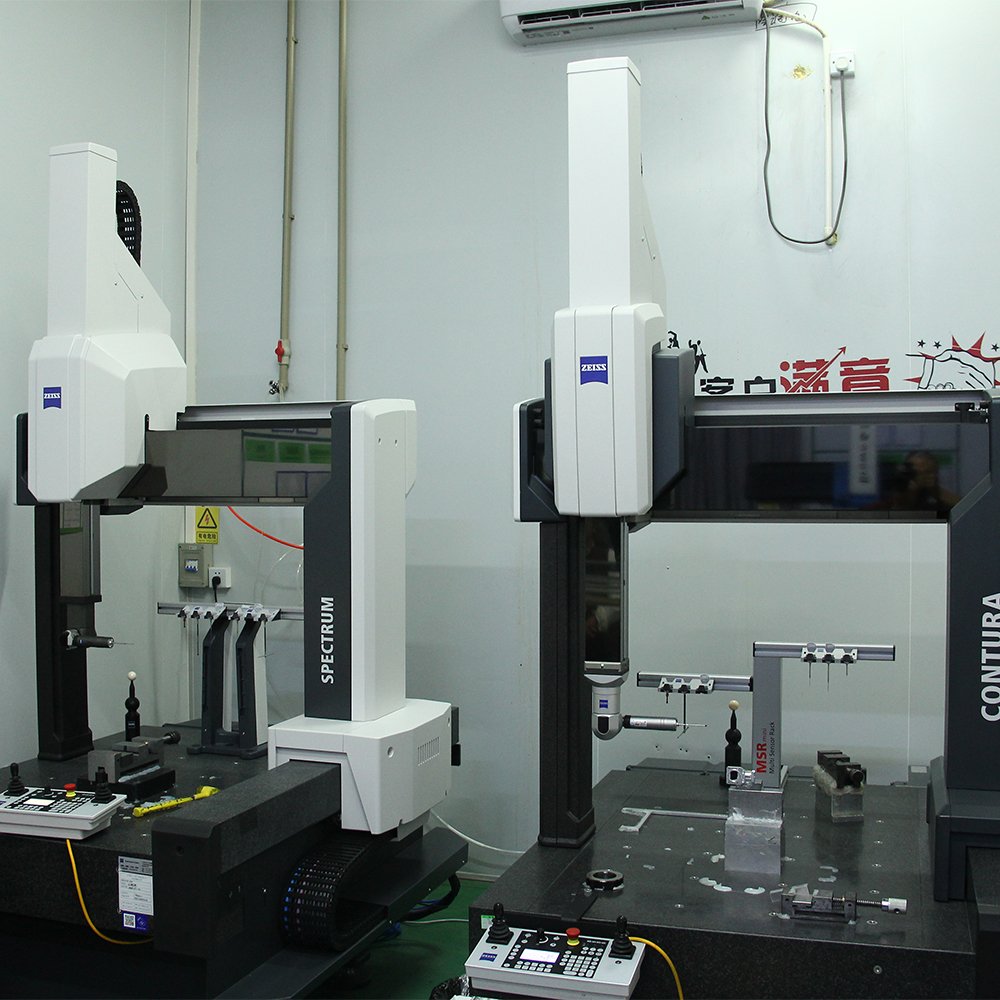
Critical dimensions may require micrometers, bore gauges, plug gauges, or a coordinate measuring machine. Standard calipers may not be accurate enough for final inspection.

Can Every Feature Hold ±0.01 mm?
No. Different features require different processes.
External diameters can often be controlled through precision turning. Tight-tolerance holes may require boring or reaming instead of standard drilling.
Large plates and thin-walled parts are more difficult because they may deform after machining. Hole position, flatness, roundness, and other geometric tolerances must also be considered.
Does Tight Tolerance Increase Cost?
Yes. A ±0.01 mm tolerance may require extra finishing operations, custom fixtures, more inspections, and tighter tool control.
Applying this tolerance to every dimension can increase cost without improving the part’s function. It should be used mainly for critical features that affect fit, alignment, sealing, or movement.
Conclusion
CNC machining can achieve ±0.01 mm tolerance, but success depends on the specific part and manufacturing process.
For better quality and lower cost:
- Identify critical dimensions.
- Use practical tolerances elsewhere.
- Define clear measurement datums.
- Consider deformation and surface treatment.
- Confirm the inspection method before production.
If your part requires ±0.01 mm tolerance, send us the 2D drawing, 3D model, material, quantity, and finishing requirements for review.