One Small CAD Change
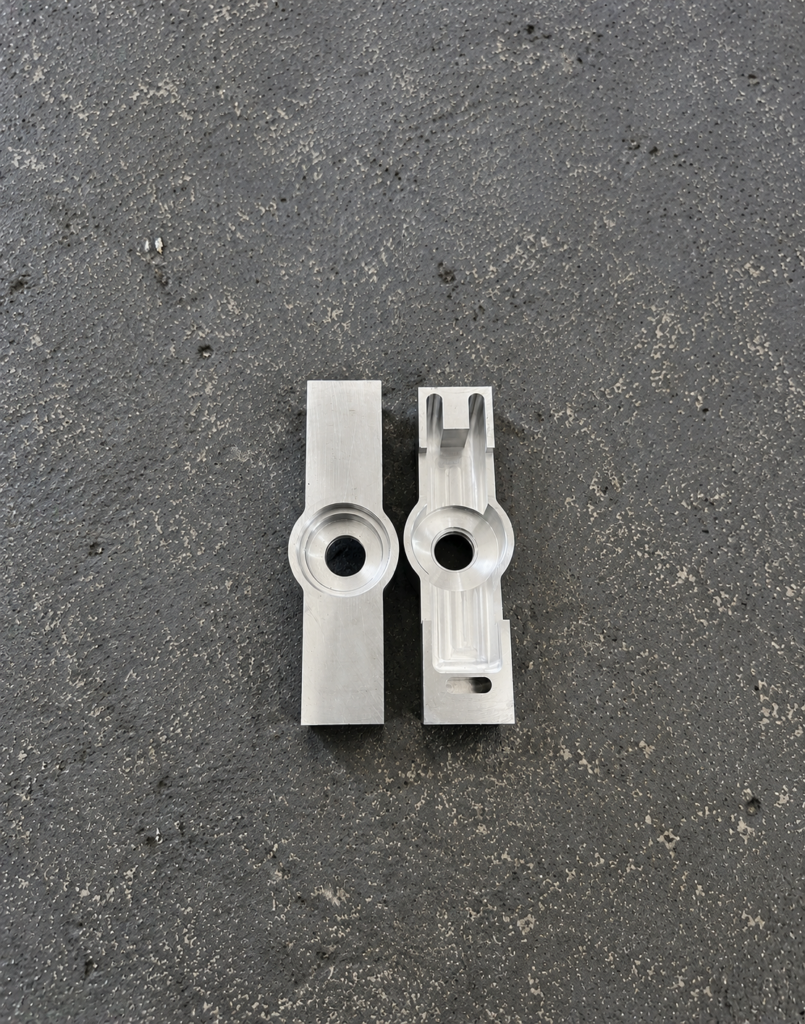
Small corner radii in deep cavities often look like minor details on a CAD model. However, changing a bottom radius from 3 mm to 0.5 mm can significantly increase the machining quotation.
The larger cavity may be roughed quickly with a rigid cutter. The small radius then requires a much smaller tool to reach the remaining material at the bottom.
This single feature can add a separate operation to the process.
Follow the Cost Chain
| Design Requirement | Machining Effect |
|---|---|
| Smaller internal radius | Smaller cutter diameter |
| Deep cavity | Longer tool reach |
| Long, thin tool | Greater deflection and vibration |
| Lower tool rigidity | Reduced feed and cutting depth |
| Limited chip evacuation | Additional cleaning or coolant control |
| Difficult inspection | More measurement time |
| Very small inaccessible radius | EDM or another special process |
The cost comes from the combination of small tool diameter and long reach, not from the radius alone.
Why the Tool Must Slow Down
A small cutter removes less material per pass and cannot tolerate the same cutting load as a larger end mill. When extended deep into a cavity, it behaves like a slender beam and becomes more sensitive to vibration.
The machinist may need to reduce feed rate, use lighter cuts, and perform several finishing passes. Tool wear and breakage risk also increase, particularly when chips cannot escape easily.
Even if the small tool is needed for only one corner, it still requires tool preparation, programming, machining, and inspection.
Separate Functional and Cosmetic Radii
Some small radii are necessary for mating parts, sealing features, or component clearance. Others remain small only because the CAD model was created with a default fillet value.
If the feature has no functional reason, increasing the radius allows the manufacturer to use a larger and more rigid cutter. A larger radius can also improve surface finish and reduce tool marks near the cavity floor.
When a sharp corner is required only in a limited area, a local relief or clearance pocket may be more economical than machining the entire bottom edge with a tiny cutter.
Discuss the Radius Before Production
Deep cavity dimensions, corner radius, wall height, and tool access should be reviewed together. A radius that is easy to machine in a shallow pocket may become expensive at greater depth.
Early manufacturing feedback can identify a practical radius that preserves assembly function without forcing slow or unstable machining.
Conclusion
Small corner radii in deep cavities are expensive because they require small, long-reach tools with limited rigidity.
Increasing non-critical radii, adding local relief, or adjusting the mating component can reduce cycle time, tool risk, and overall CNC machining cost.