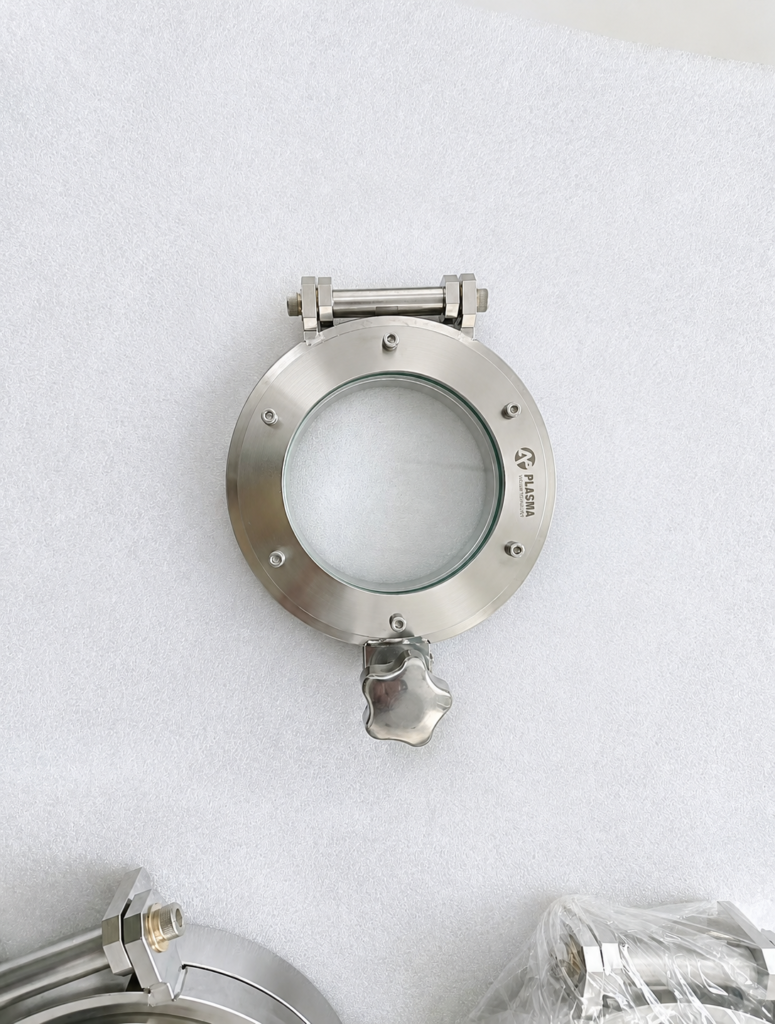
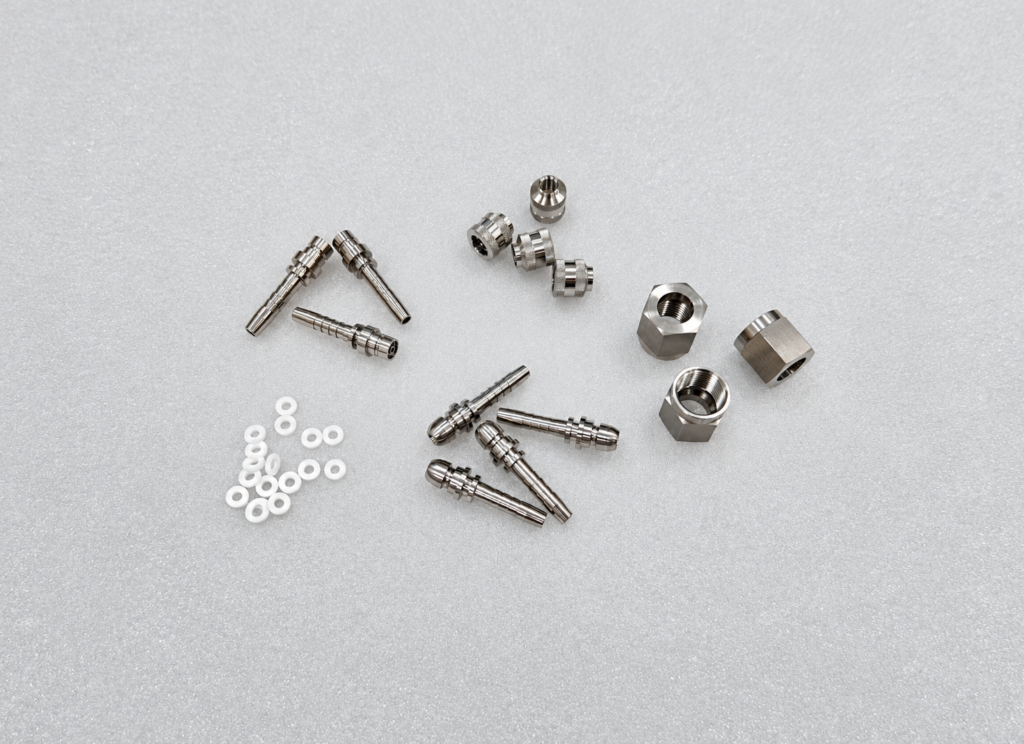
Why Small Titanium Threads Are Easily Damaged
Machining small-diameter titanium threads is difficult because the thread teeth are thin while cutting forces and heat remain concentrated in a very small area.
Titanium conducts heat poorly and tends to adhere to cutting tools. A worn edge, trapped chip, or unstable tool can tear material from the thread flank instead of cutting it cleanly. The resulting damage may appear as chipped crests, incomplete threads, burrs, or rough surfaces.
Some threads leave the machine in good condition but fail later during gauging or assembly. Preventing damage therefore requires control beyond the cutting operation itself.
Thread Quality Starts Before Cutting
For internal threads, pilot-hole diameter directly affects tapping torque. A hole that is too small increases tool load and may produce torn flanks or a broken tap. A hole that is too large reduces thread engagement and weakens the finished profile.
The correct diameter should be selected from the drawing, thread tolerance, material condition, and tool manufacturer’s data rather than from a general steel tapping chart.
External threads also require an accurate blank diameter. Excess stock creates a heavy first cut and places unnecessary pressure on the cutting edge and thread crest.
A controlled entrance chamfer helps the tool engage smoothly and protects the first thread during assembly. Sharp entrances, incomplete runouts, and insufficient bottom clearance increase the risk of edge damage.
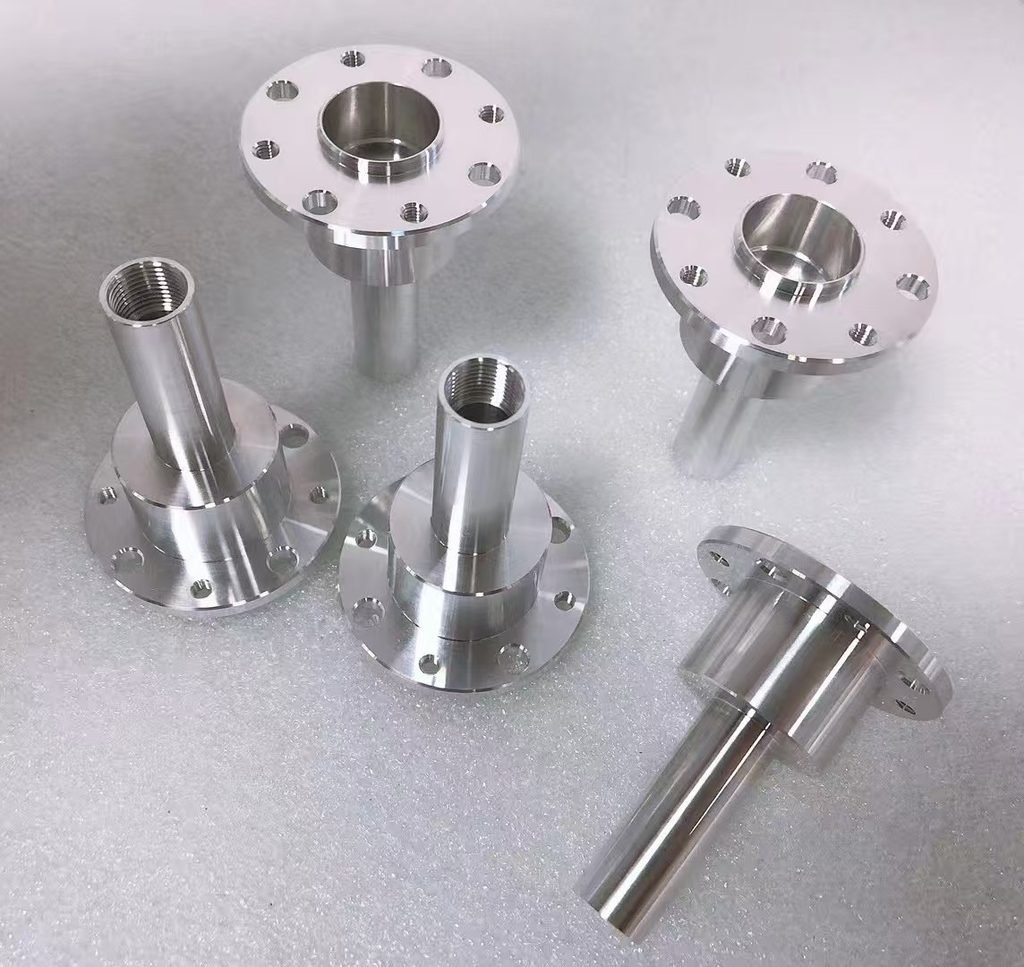
Choose the Process Around the Hole
Tapping remains efficient for production, but the tap must be designed for titanium and matched to the hole type.
Spiral-flute taps help pull chips out of blind holes. Spiral-point taps push chips forward and are more appropriate for suitable through-holes. Incorrect chip direction can pack material around the cutting edges and damage the new thread when the tool reverses.
Thread milling provides another option for high-value or precision components. Cutting load can be distributed through controlled toolpaths and multiple passes. The thread diameter can also be corrected through the CNC program without changing the tool.
However, small thread mills are sensitive to runout and vibration. A rigid machine, accurate holder, short overhang, and stable interpolation are essential.
Control Heat Without Interrupting Lubrication
Titanium needs reliable lubrication and chip evacuation. Coolant should reach the cutting zone rather than only the hole entrance. Through-tool delivery can improve cooling and chip removal in deep or blind holes.
Inconsistent coolant may produce sudden temperature changes, built-up material, and unstable tool wear. Chips must not remain inside the hole or be recut against the finished thread.
Cutting speed, feed, and tool life limits should be established through controlled trials. Continuing to use a worn tool often causes progressive damage: the surface becomes rough, burr size increases, and the crest eventually begins to chip.
Protect the Thread After Machining
Deburring is a common source of hidden damage. Aggressive scraping can remove part of the first thread, while uncontrolled tumbling may round or strike delicate external crests.
Use a repeatable deburring method and inspect the entrance under magnification. During washing, transport, and storage, small threaded parts may require individual separation or protective caps.
Go/no-go gauges should enter using normal hand pressure. A gauge that requires force may indicate burrs, incorrect pitch diameter, contamination, or a damaged profile. Forcing it through can make the defect worse.
Prevent Galling During Assembly
Titanium threads are susceptible to galling, especially when titanium components are assembled together without lubrication. Local adhesion can quickly develop into seizure and tear material from the thread flanks.
The mating threads should be clean, aligned, and free from chips. Use an approved lubricant or anti-galling coating when the application permits it. Installation speed and tightening torque must also be controlled.
Repeated dry assembly during inspection should be avoided. Where design and service requirements allow, a compatible dissimilar mating material can reduce galling risk.
A Stable Process Produces Stronger Threads
Reliable small titanium threads depend on correct preparation, sharp tools, rigid alignment, stable lubrication, and careful handling. Process monitoring is equally important.
Record tool usage and inspect samples before wear produces visible defects. Check the thread entrance, crest, flanks, burr condition, and gauge result—not only the nominal diameter.
When machining and assembly are treated as one continuous process, small-diameter titanium threads can maintain their profile, fit, and load-carrying performance without chipped teeth or premature failure.