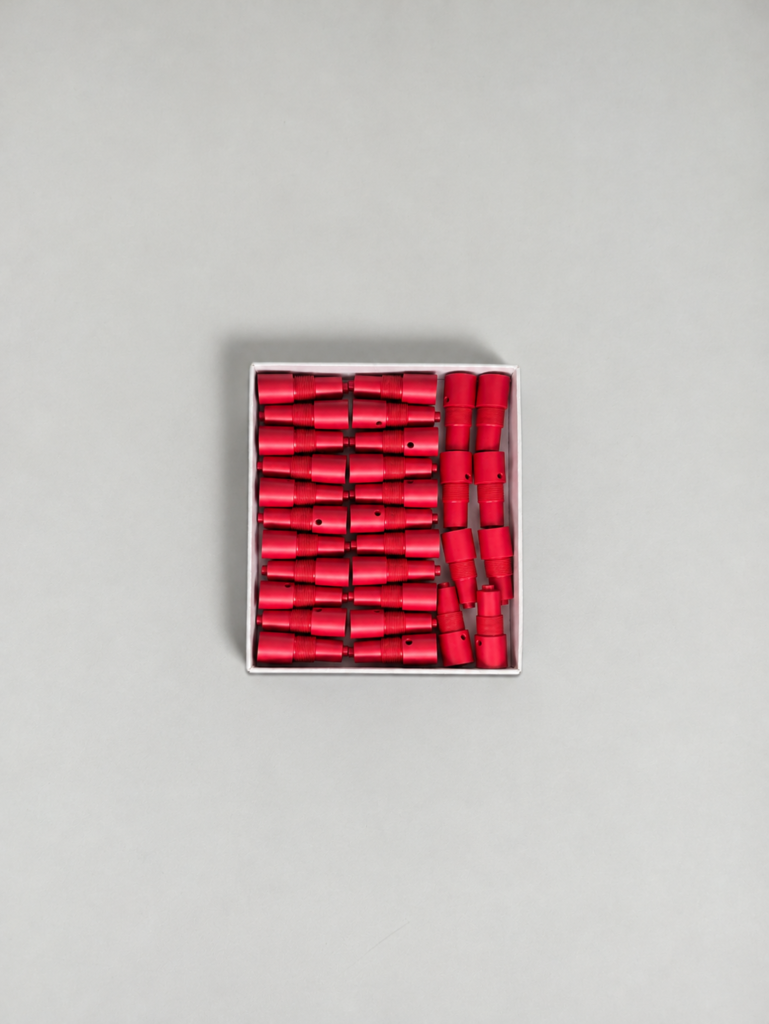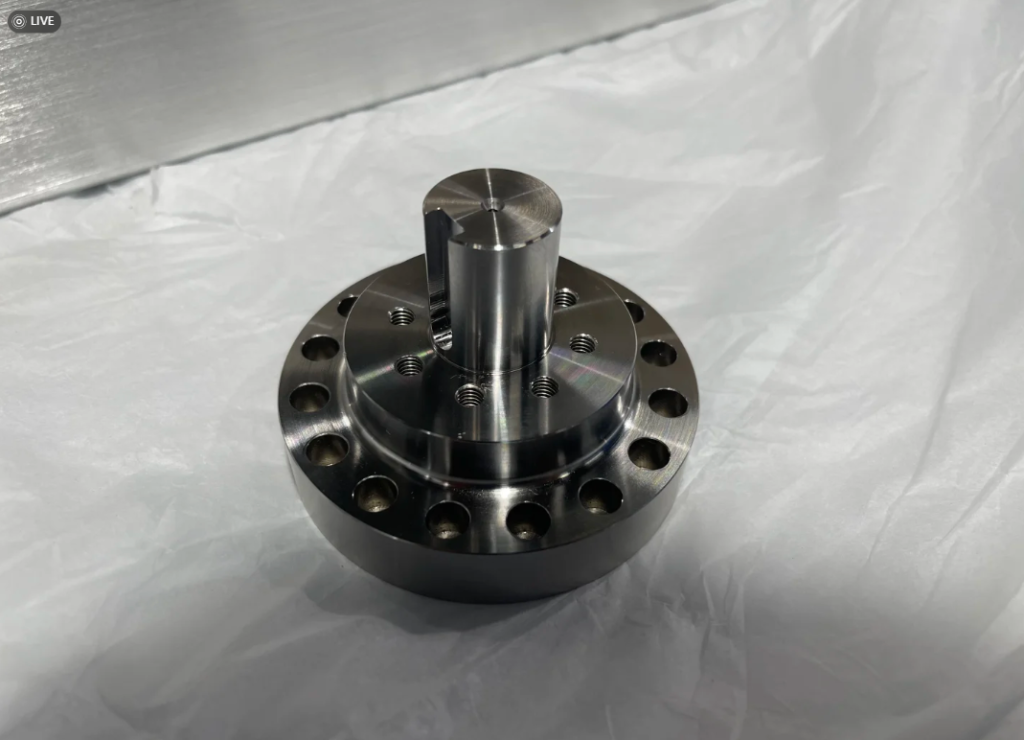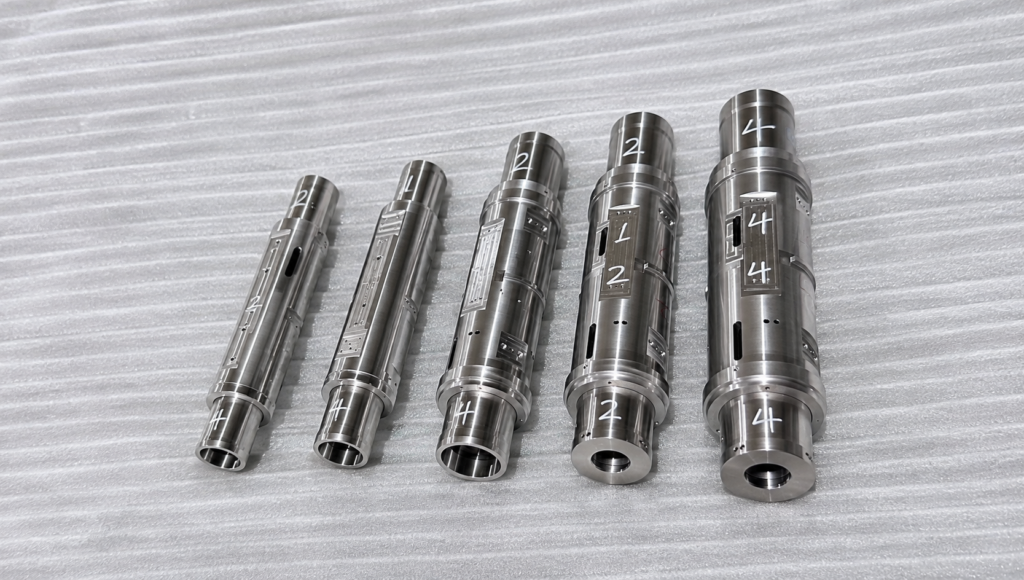

Precision CNC machining produces the miniature rotating shafts used inside high-speed dental handpieces. A dental handpiece rotor shaft may include bearing journals, locating shoulders, a turbine seat, an axial chuck bore and small drive features within a narrow cylindrical component.
These features must share one rotational axis. Any offset between the bearing journals and chuck interface can cause the dental tool to rotate away from the intended center.
Start with the Axial Bore
A hollow rotor shaft begins from small-diameter bar held in a precision collet. Facing creates the first length reference before a spotting tool establishes the center.
The axial passage is drilled while the blank still has enough wall thickness to resist tool pressure. A pilot drill may be followed by a longer small-diameter drill when the bore extends through most of the shaft.
For stepped internal geometry, micro boring or reaming completes the chuck seat after drilling. Producing the bore first reduces the risk of bending an already-finished slender shaft.
Turn the Bearing Journals
Stepped shaft CNC turning forms the external profile around the established bore. Rough passes create the main diameter changes while leaving allowance on the bearing surfaces.
The front and rear journals are finished from the same spindle axis whenever tool access permits. Their shoulders position miniature bearings and control the axial location of the rotor assembly.

Micro shaft CNC machining uses short tool engagement and light finishing cuts to limit deflection. The cutting direction moves from the supported section toward the smaller free end.
A narrow relief may separate a bearing journal from the turbine or spacer seat.
Produce the Chuck Interface
The lower section of the shaft connects with the bur-holding or chuck mechanism. Depending on the handpiece design, this area may contain an internal taper, split collet seat, thread or locking feature.
Small boring and threading tools enter from the end while the spindle maintains the same center used for the bearing journals. This keeps the tool-holding interface concentric with the rotating shaft.
Live tooling can add flats, transverse holes or narrow slots when required by the chuck design.
Complete the Turbine Connection
The turbine may press onto a dedicated shaft diameter or locate against a shoulder. This seating section is finished after the main journals so its position remains connected to the bearing references.
A sub-spindle can grip a completed diameter before the part is separated from the bar. The second end is then faced to length, and any remaining bore, chamfer or retaining feature is completed.
Protect the Miniature Features
Dental rotor shaft machining requires careful removal of burrs around the axial bore, slots and thread starts. Heavy edge breaking can alter a bearing shoulder or damage the chuck interface.
The internal passage is cleared so no particles remain near the rotating tool connection. Effective precision rotor shaft machining keeps the bore, journals and turbine seat aligned.
Reliable precision CNC machining allows dental handpiece parts to combine miniature dimensions with a continuous rotational reference from the chuck interface to both bearing journals.