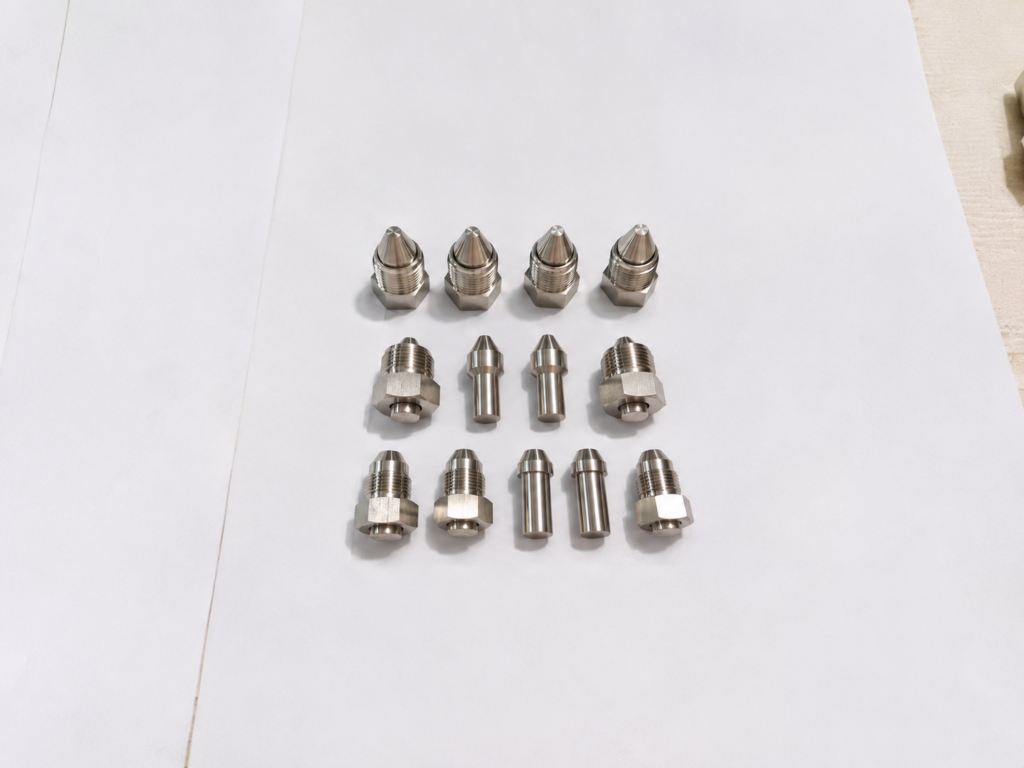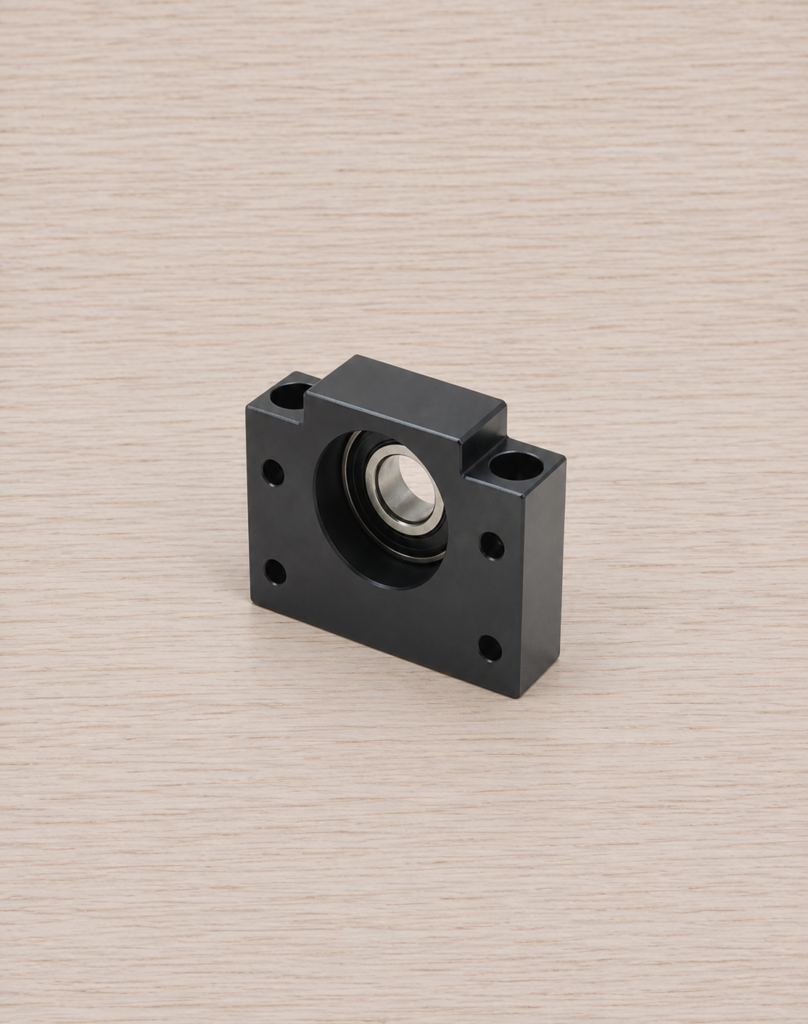
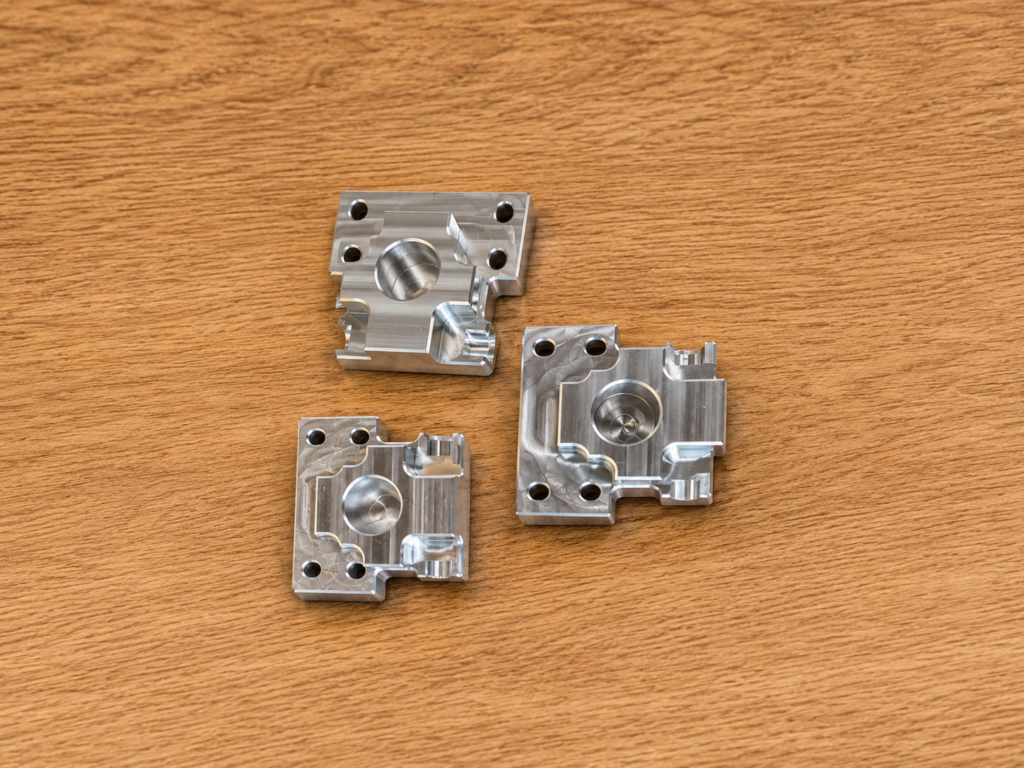
Start with the Finished Part
A multi-operation machining sequence should be planned backward from the finished part. Begin by identifying the critical dimensions, functional surfaces, tight tolerances, and features that must remain aligned.
The first operation does not need to produce finished geometry. Its main purpose may be to create reliable datums and clamping surfaces for later setups.
If the initial references are unstable, every following operation becomes more difficult to control.
Assign a Purpose to Each Stage
Each machining stage should prepare the part for the next one.
| Process Stage | Main Purpose |
|---|---|
| Material preparation | Create manageable stock and initial reference surfaces |
| Rough machining | Remove most material and reveal possible deformation |
| Stress-relief stage | Allow the part to stabilize when necessary |
| Semi-finishing | Correct movement and leave uniform allowance |
| Feature machining | Produce holes, slots, threads, and secondary details |
| Final finishing | Complete critical surfaces and tight tolerances |
| Inspection | Verify functional relationships and final dimensions |
Operations with similar tools or orientations may be grouped, but machining efficiency should not override dimensional control.
Establish Stable Datums Early
Datums should be accessible, repeatable, and rigid enough to support the remaining operations. Large flat surfaces, locating holes, or machined edges can provide dependable references.
Critical features should be produced from related datums whenever possible. Moving them between unrelated setups creates additional tolerance accumulation.
Temporary locating features may be useful during machining and removed in the final operation.
Rough Before Finishing
Heavy material removal can release residual stress and change the part’s shape. Rough machining should therefore occur before tight-tolerance surfaces are finished.
For thin, asymmetric, or heavily pocketed components, remove material progressively from different regions. Allow sufficient stock for semi-finishing after the part has stabilized.
Finishing one side completely before roughing the opposite side may cause the completed surface to move out of tolerance.
Protect Critical Features
Features used for later location should not be damaged by clamps, chips, or subsequent cutting. Finished sealing faces and precision bores are often better completed near the end of the process.
However, some holes or pockets may need to be machined earlier because they provide access, reduce material, or support another setup. The correct order depends on how each feature affects workholding and rigidity.
Review Every Setup Transition
Before approving the process, confirm how the operator will locate, support, clamp, and inspect the part at each stage. The component must remain sufficiently rigid after every material-removal step.
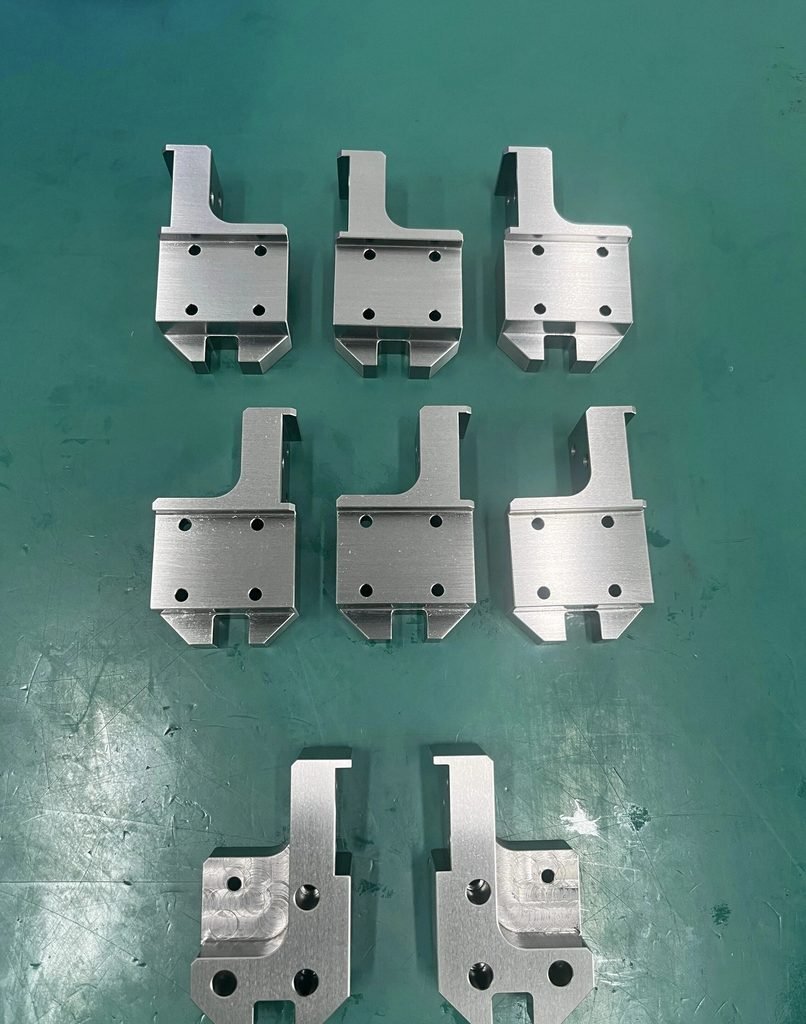
A suitable multi-operation machining sequence creates stable references first, removes material in controlled stages, and finishes critical relationships from consistent datums. This reduces deformation, setup errors, and unnecessary rework.