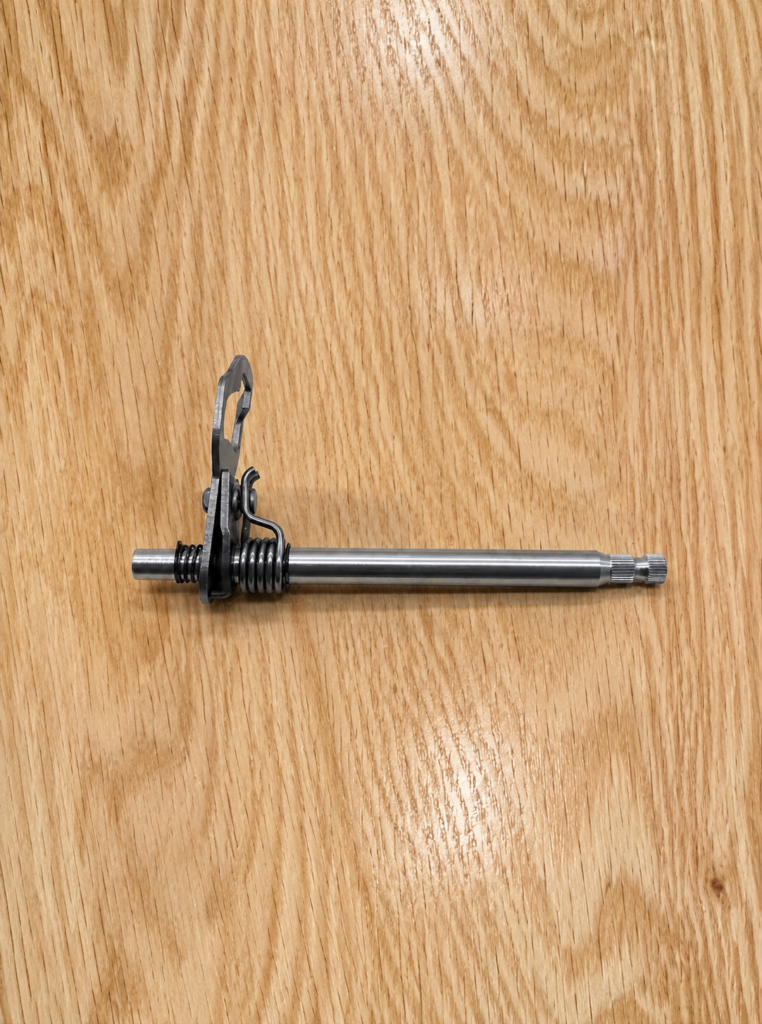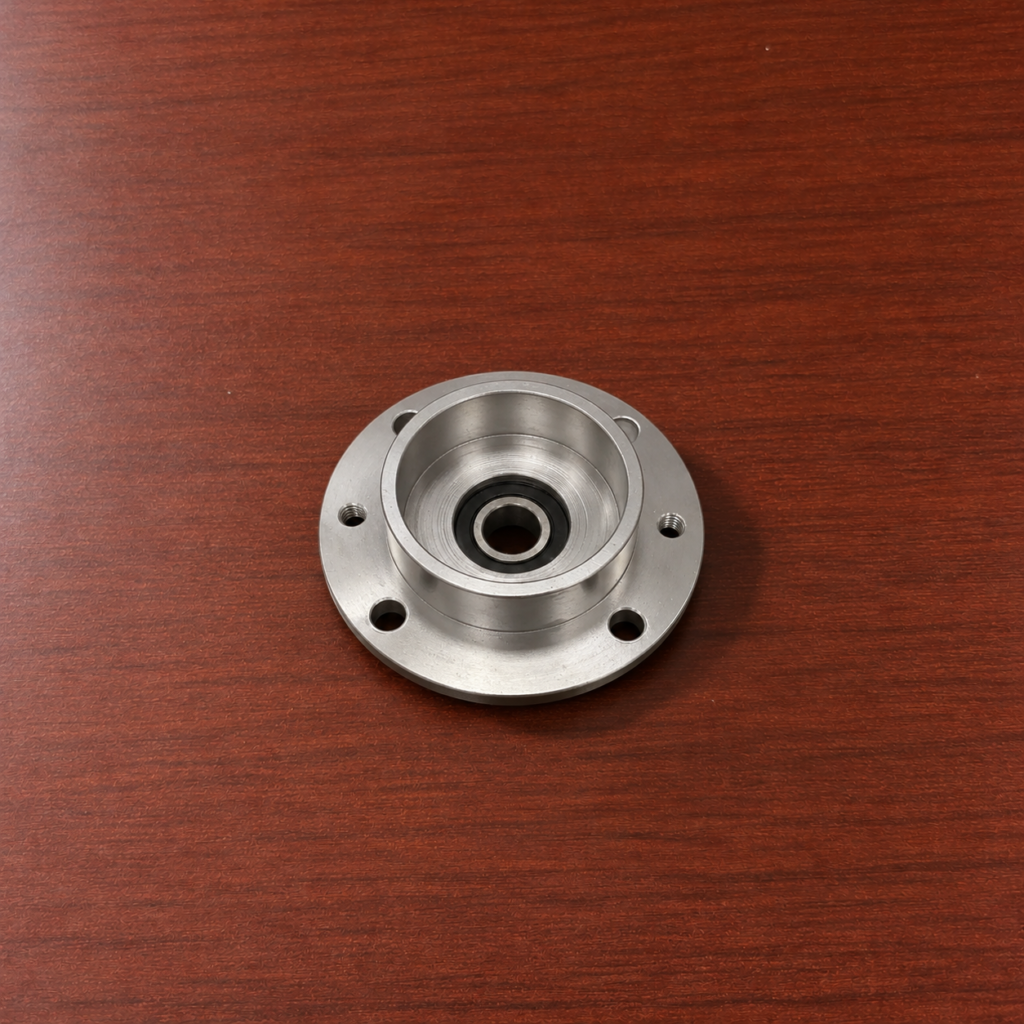
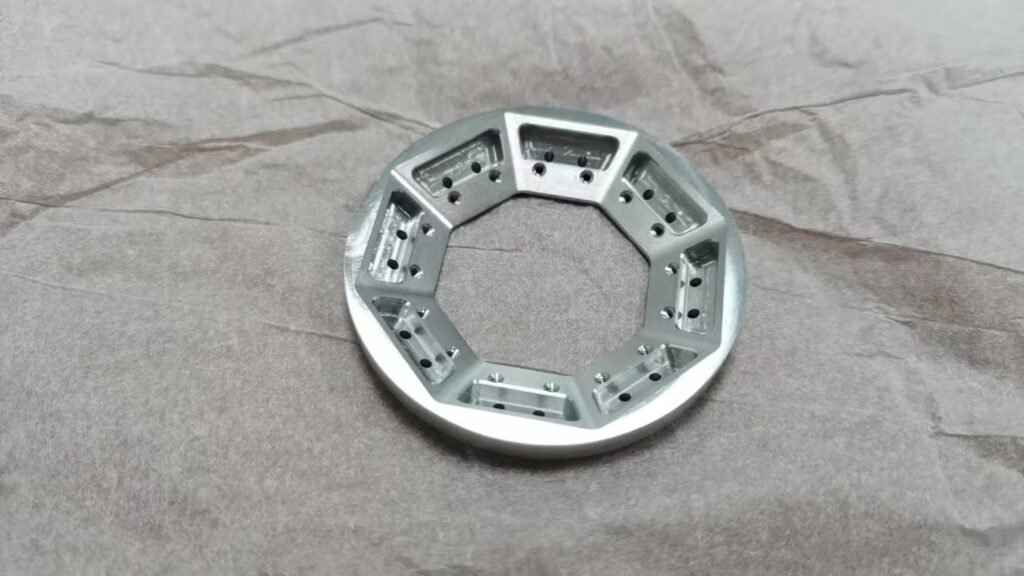
Gearbox housing bearing bore machining produces the internal seats that support transmission shafts and bearings. The same housing may also contain mounting faces, flange interfaces, threaded holes and access openings on several sides.
Because these features work from shared shaft and assembly references, the machining plan must control their relationship across multiple operations.
The Central Machining Problem
A gearbox housing may contain two or more bearing bores positioned on opposite walls. Although each bore can be machined individually, their centerlines must remain correctly aligned.
Machining the bores from unrelated setups can introduce angular or positional differences. These errors may affect shaft installation and the contact relationship between internal transmission components.
The preferred approach is to establish a common housing datum and machine related bores within the same setup whenever machine access permits.
Building the Reference System
The base mounting face is usually machined first. Locating surfaces or dowel holes are then produced to create repeatable references for later setups.
A typical operation sequence is:
- Machine the base face and primary locating features.
- Rough-mill the internal cavity and external profiles.
- Produce the main bearing bores from a common reference.
- Rotate the housing for side holes and flange interfaces.
- Complete threads, counterbores and access openings.
This sequence allows the housing to remain stable while the critical internal features are created.
Machining the Bearing Bores
Rough boring removes most of the stock while leaving a controlled allowance for finishing. The housing can then be allowed to stabilize before the final boring pass.

Where two bores share the same shaft axis, line boring or matched boring from one setup may be used. Short, rigid boring tools help reduce vibration, while lighter finishing cuts support a consistent bore surface.
The toolpath should also account for interrupted cuts caused by internal ribs, cross holes or cavity openings.
Reaching Multiple Housing Faces
Horizontal machining centers and five-axis machines can access several sides of the housing with fewer manual setups. Rotary positioning allows side ports, mounting holes and angled interfaces to be machined while maintaining the original reference system.
For large housings, dedicated fixtures should support the component close to the cutting area without obstructing the bore or side features. Clamping force must be distributed to avoid changing the housing shape during machining.
Completing the Housing Component
After the main operations, bore edges, threaded holes and internal cavity openings are deburred and cleaned. Bearing bores, locating features and mounting interfaces are checked against the customer’s drawing before delivery.
Reliable gearbox housing bearing bore machining depends on a stable datum system, controlled boring operations and a multi-side sequence that preserves the relationship between shaft and assembly features.