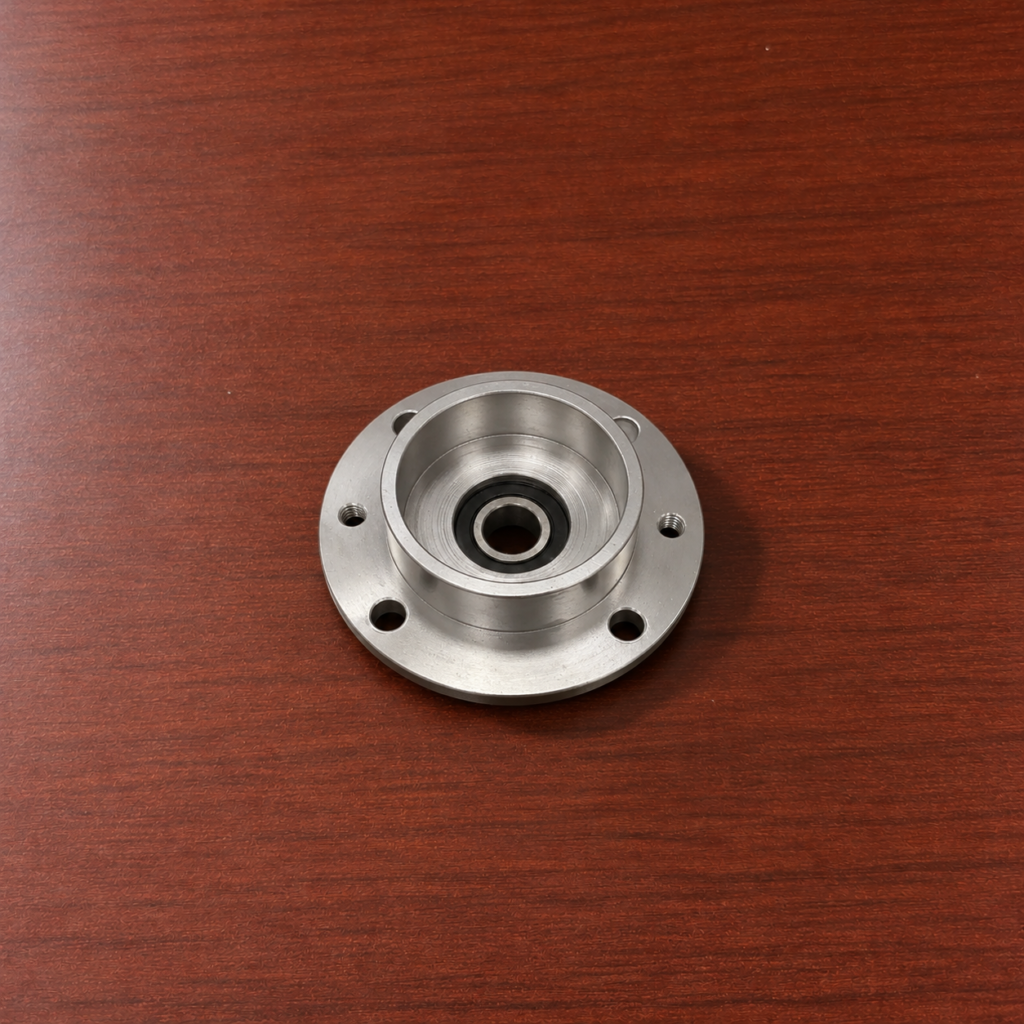

Ball valve stem CNC machining creates the connection between the internal ball and the external handle or actuator. Although the component is narrow, it may contain several stepped diameters, sealing grooves, a threaded section and one or more drive flats.
These features must remain aligned. The lower drive section controls ball rotation, while the upper geometry transfers movement from the handle.
Establish the Stem Axis
Machining begins from round bar held in the main spindle. The exposed end is faced to establish the length reference before the primary diameters are rough turned.
The section that passes through the valve body is finished along the spindle axis. Adjacent shoulders define the axial positions of seals, washers or retaining components.
Enough stock is initially retained around narrow sections to support the stem during later operations. Removing all material too early can allow a slender stem to deflect under cutting pressure.
Turn the Stepped Diameters
Each step performs a different function within the valve assembly. One diameter may guide the stem, another may carry a sealing ring, and a reduced end may enter the slot in the ball.
Rough turning removes the main allowance from the larger sections. Finishing passes then move from the supported end toward the smaller diameters.
Transition shoulders are produced with the required corner form. Where a seal passes over a step during assembly, a lead-in chamfer prevents the sharp edge from damaging it.
Cut the Thread and Relief
The upper stem commonly includes an external thread for a retaining nut, handle nut or actuator connection. A relief groove is cut beside the shoulder before threading begins.
The CNC lathe synchronizes spindle rotation with tool feed to generate the thread pitch. Several passes gradually reach the required profile without placing excessive load on the slender component.
The thread is completed while the stem remains referenced to the turned axis. This keeps the nut concentric with the guiding and sealing diameters.
Mill the Drive Flats
The lower end of the stem must engage the ball without slipping. This connection may use two parallel flats, a rectangular tongue or a shaped drive section.
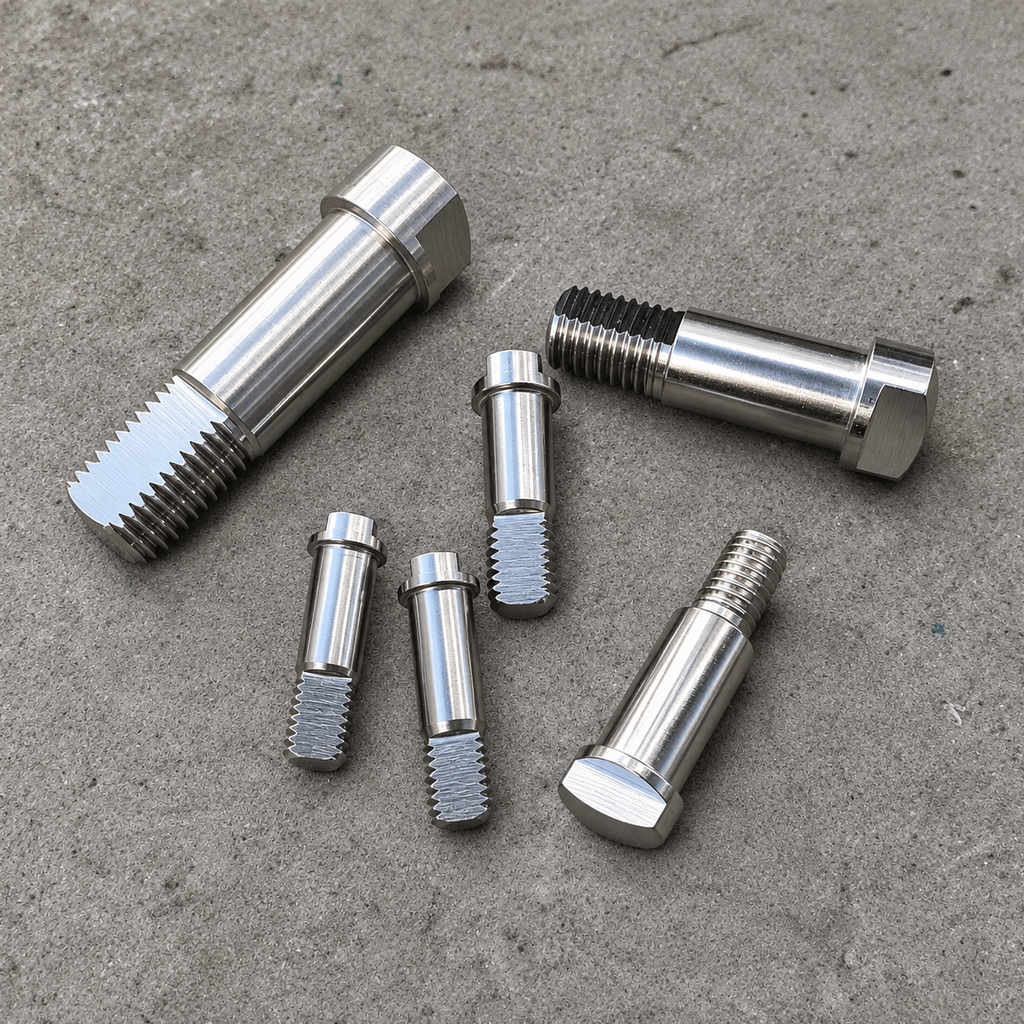
Live tooling mills the first flat while the spindle remains indexed. The spindle then rotates by the programmed angle so the opposite surface can be machined.
Both flats are produced from the same rotational reference. Their spacing controls the fit inside the ball slot, while their angular position determines the handle’s open and closed orientation.
Complete Grooves and End Features
Retaining-ring grooves, sealing grooves or transverse holes are added after the main geometry is stable. Groove width and position are referenced from the finished shoulders.
A sub-spindle can grip the completed front section before the part is separated from the bar. The rear face is then finished to length, followed by any remaining chamfer or end feature.
Burrs are removed from the thread start, drive flats and groove edges. Reliable ball valve stem CNC machining keeps every functional feature connected to one central axis and one defined rotational orientation.