
Coastal aluminum protection requires more attention than standard outdoor finishing. Salt particles, high humidity, frequent condensation, and strong sunlight can accelerate corrosion, especially around scratches, fasteners, edges, and water-trapping areas.
However, not every coastal aluminum part requires a multilayer coating system. The correct choice depends on exposure severity, expected service life, and whether the finish may be damaged during use.
When Is a Single Finish Sufficient?
Properly sealed anodizing or a high-performance exterior powder coating may be sufficient for parts installed away from direct seawater, sheltered from rain, and regularly cleaned.
Anodizing provides corrosion resistance while maintaining a metallic appearance. Powder coating offers a thicker barrier and better color selection. Both depend heavily on correct surface preparation and process control.
A single finish becomes less reliable when the part is constantly exposed to salt spray, standing water, coating damage, or contact with dissimilar metals.
When Is Multilayer Protection Recommended?
A multilayer system is recommended for aluminum parts used near the shoreline, on marine equipment, or in locations where maintenance is difficult.
A typical system includes:
- Chemical conversion coating or another approved pretreatment;
- Corrosion-resistant primer;
- UV- and weather-resistant topcoat.
The pretreatment improves adhesion and slows corrosion beneath damaged areas. The primer provides additional barrier protection, while the topcoat protects against sunlight, moisture, and mechanical exposure.
MIL-DTL-5541 Class 1A conversion coatings are intended to improve corrosion protection and paint adhesion on aluminum surfaces.
Why Coating Details Matter
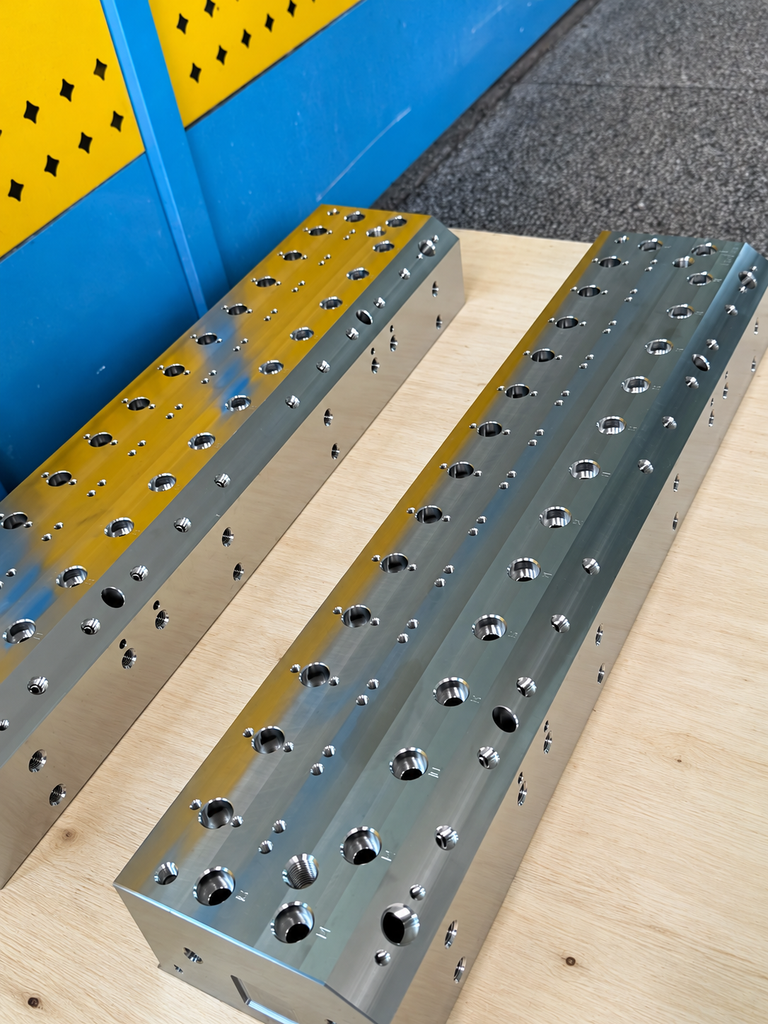
Multilayer protection cannot compensate for poor application. Corrosion commonly begins at sharp edges, threaded holes, drainage areas, scratches, and fastener interfaces.
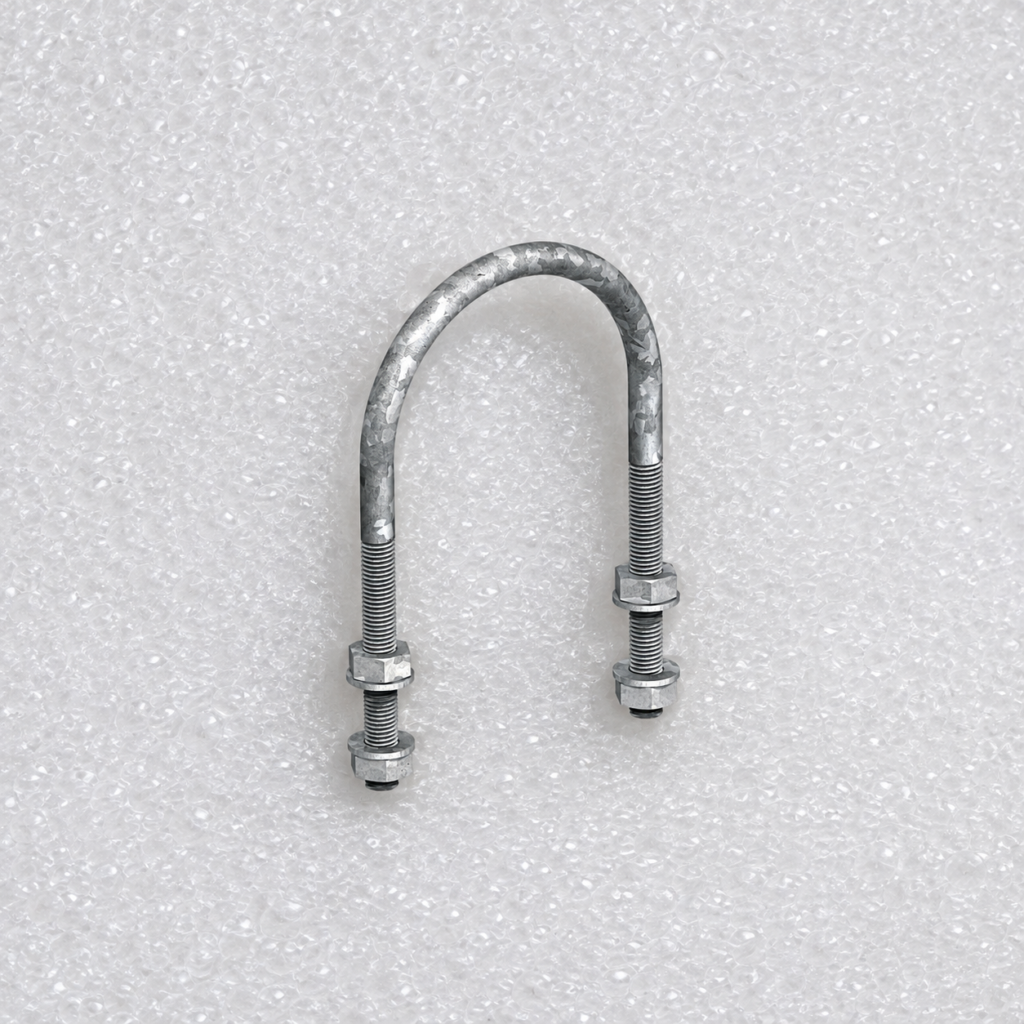
Contact between aluminum and stainless steel can also create galvanic corrosion when salt water is present. Coatings, insulating washers, sealants, or compatible fasteners may be needed to separate the metals.
The complete coating system should therefore be specified rather than simply writing “outdoor paint” or “powder coating” on the drawing.
Conclusion
Coastal aluminum parts do not always require multilayer protection. Sealed anodizing or exterior powder coating may be adequate for mild, sheltered exposure.
For direct salt spray, frequent condensation, long service life, or limited maintenance, a pretreatment-primer-topcoat system provides more reliable coastal aluminum protection. The final system should be selected according to actual exposure and verified with the coating supplier.