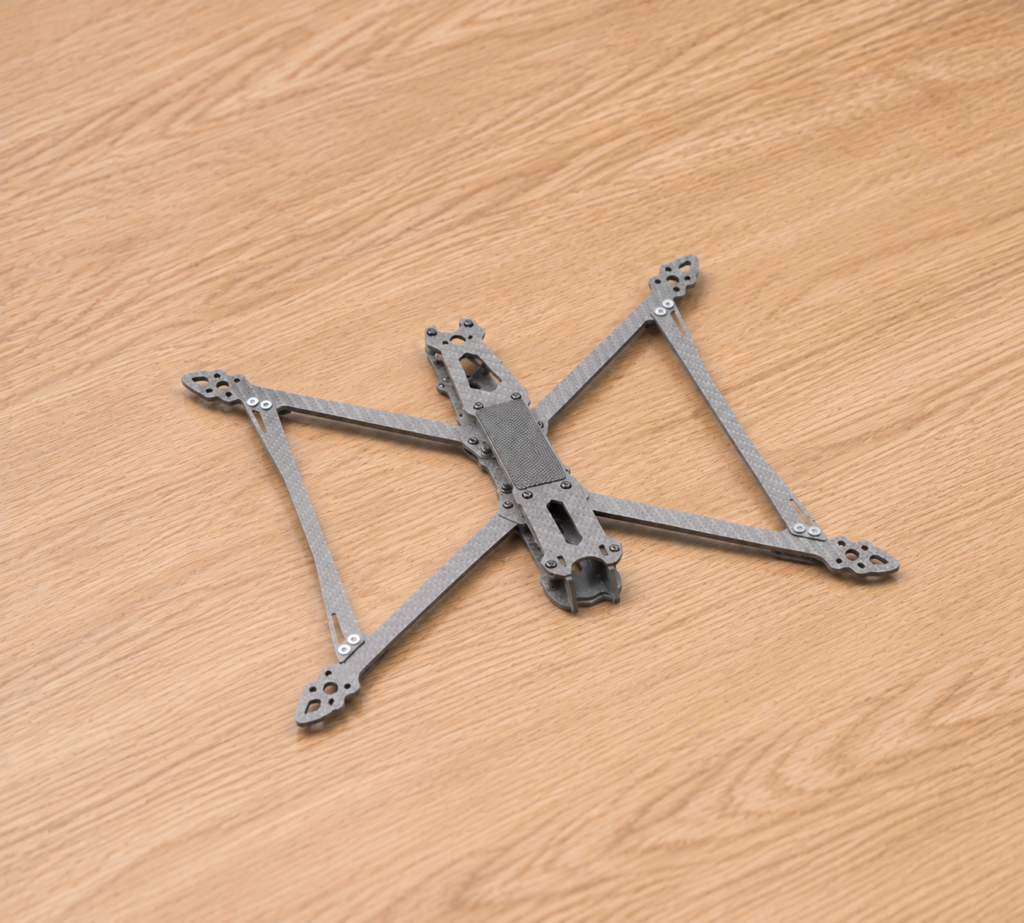
Carbon fiber aluminum galvanic corrosion occurs when conductive carbon fibers and aluminum are electrically connected in the presence of moisture. The aluminum becomes the more active side of the couple and can corrode rapidly around mounting holes, arm joints, motor seats, and fasteners.
Reliable prevention requires two barriers: electrical isolation between the materials and moisture exclusion from the joint.
Why the Aluminum Is at Risk
Carbon-fiber-reinforced polymer is not electrically neutral. The carbon fibers behave as a relatively noble, conductive material, while aluminum is more electrochemically active.
When rain, condensation, salt deposits, pesticide solution, or cleaning fluid enters the joint, it acts as an electrolyte. Electrons can then flow through the direct carbon-to-aluminum contact, accelerating aluminum corrosion.
The area ratio can make the problem worse. A small aluminum bracket connected to a large carbon-fiber arm creates an unfavorable galvanic couple, concentrating attack on the smaller aluminum area.
NASA describes galvanic corrosion as requiring dissimilar conductive materials, an electrolyte, and an electrical path. Removing any one of these conditions interrupts the corrosion cell. See NASA’s guidance on forms of corrosion.
Add a Continuous Insulating Layer
The most effective solution is to prevent direct electrical contact. A glass-fiber-reinforced polymer layer can be placed between the carbon laminate and aluminum component because glass fiber is electrically insulating.
Other options include engineered polymer shims, insulating gaskets, adhesive films, or compatible sealants. The barrier must extend beyond the nominal contact face and remain continuous around edges and holes.
FAA guidance for composite structures specifically notes that isolation layers may be required between carbon composites and aluminum, with glass plies given as one example. See FAA AC 20-107B.
A thin decorative film or ordinary tape is not a reliable structural isolation layer. Compression, vibration, temperature cycling, and fastener movement can cut through it.
Isolate the Fastener Path
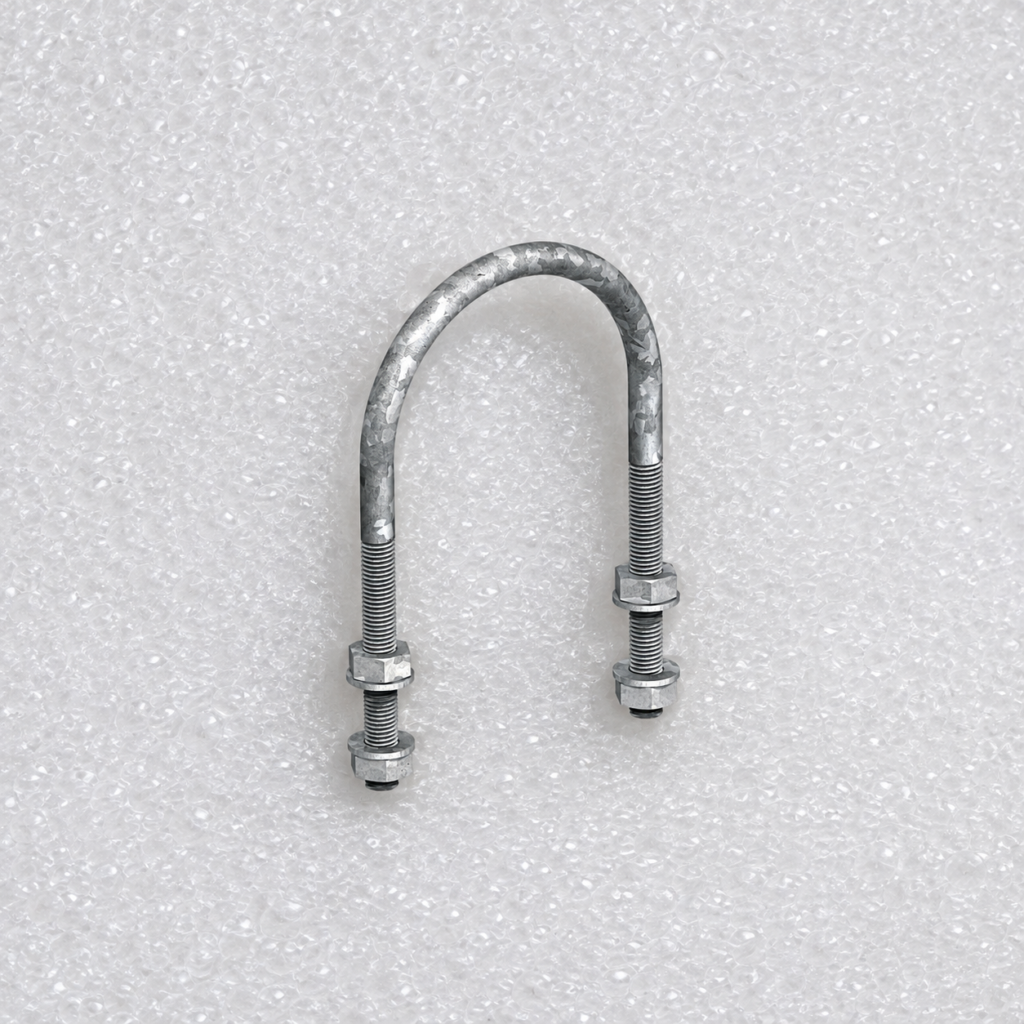
A polymer gasket between the main surfaces is insufficient if a metal bolt still creates an electrical bridge. Insulating sleeves should separate the fastener shank from the carbon-fiber hole, while nonconductive washers isolate the bolt head and nut.
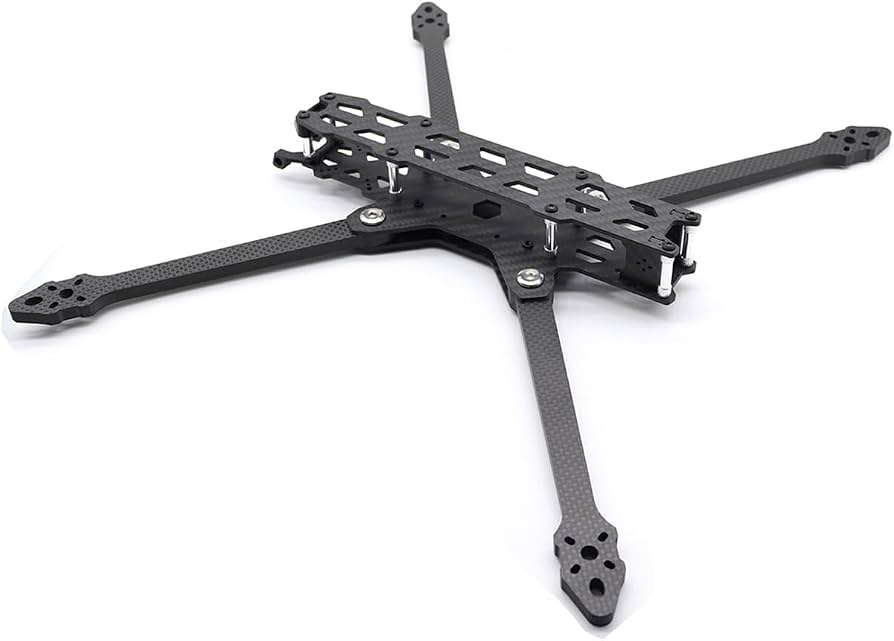
Titanium or corrosion-resistant steel fasteners may provide better environmental durability than unprotected carbon steel, but they remain electrochemically noble relative to aluminum. They should not be allowed to contact unprotected aluminum and carbon fiber simultaneously.
Hole edges require particular attention. Drilling can expose conductive fibers, damage the laminate, and remove protection from the aluminum bore.
Protect Every Aluminum Surface
The aluminum component should receive anodizing, chemical conversion coating, primer, or another validated corrosion-protection system. Machined faces, countersinks, thread runouts, and trimmed edges must not remain unintentionally bare.
A coating alone should not be treated as the electrical isolator. Fastener installation can scratch anodizing or paint, creating a small exposed aluminum area connected to a much larger carbon surface.
A robust joint therefore combines aluminum surface treatment with a separate insulating layer. If the protective finish is damaged, the isolation barrier still interrupts the galvanic path.
Seal Out Moisture
Apply a compatible joint sealant during assembly so that it fills surface irregularities and displaces air and moisture. Sealant should surround fastener holes and extend around the joint perimeter.
Edge sealing must not create a hidden water trap. Provide drainage or ventilation where complete sealing cannot be guaranteed. The FAA’s corrosion-control guidance recommends nonconductive layers and sealants at dissimilar metal–composite junctions while warning that failed seals can conceal corrosion. See FAA AC 43-4B.
Agricultural and marine drones require particular care because conductive residues may remain after the visible water has dried.
Keep Electrical Bonding Controlled
Some drone structures need intentional electrical bonding for grounding, static discharge, or electromagnetic compatibility. Random carbon-to-aluminum contact should not be used to provide this function.
Create a dedicated bonding point with defined materials, contact pressure, environmental sealing, and inspection access. Keep this controlled electrical path separate from structural joints that are intended to remain galvanically isolated.
Validate the Complete Joint
Testing should use assembled carbon-fiber and aluminum parts with production fasteners, coatings, sleeves, washers, and sealants. Flat material coupons cannot reproduce hole damage, clamping pressure, vibration, or edge leakage.
Validation should include wet insulation resistance, humidity or cyclic corrosion exposure, vibration, temperature cycling, fastener preload, and post-test disassembly. Inspect for white aluminum corrosion products, coating blistering, sealant separation, bore damage, and loss of clamp load.
Conclusion
Carbon fiber and aluminum can be used together safely when the joint is designed as a complete isolation system. Protect the aluminum, insert a continuous nonconductive barrier, isolate every fastener, seal against moisture, and provide drainage and inspection access. Relying on anodizing or sealant alone leaves a single failure point.