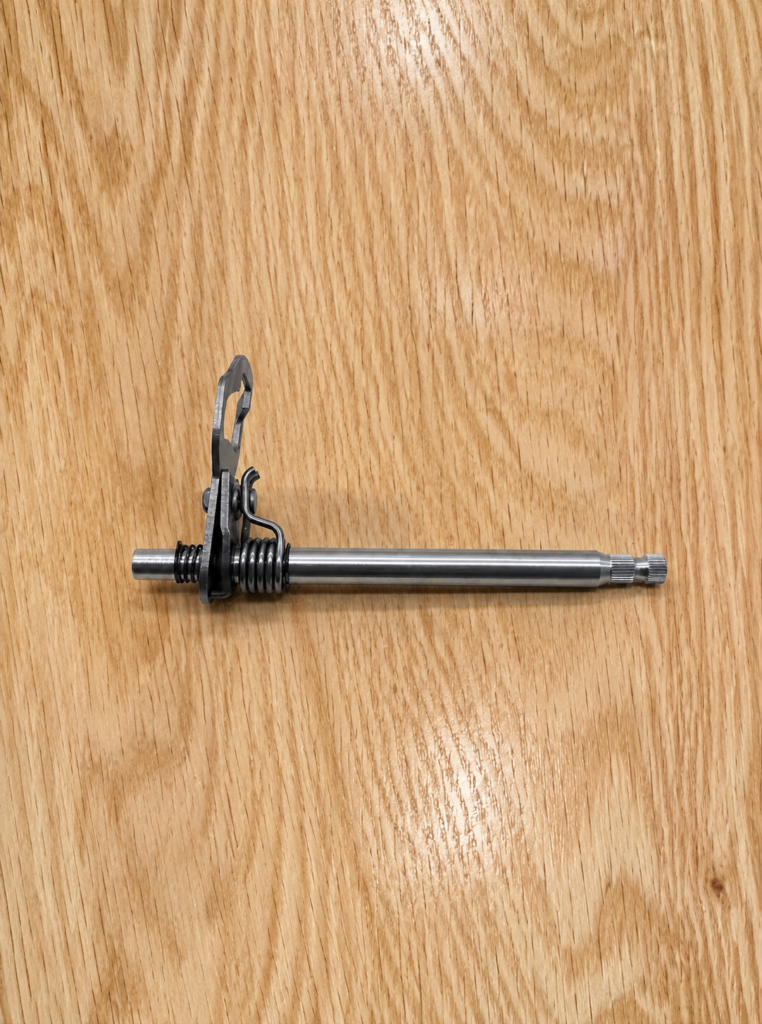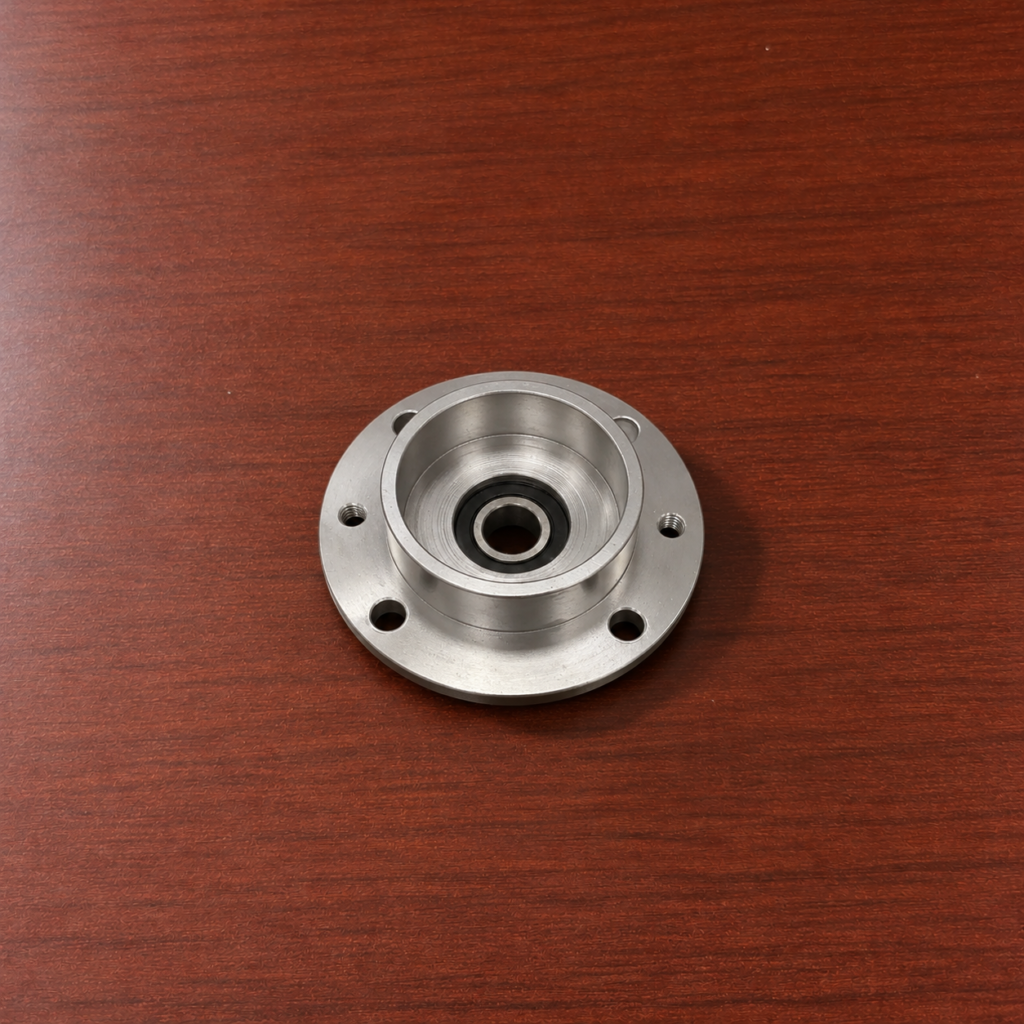
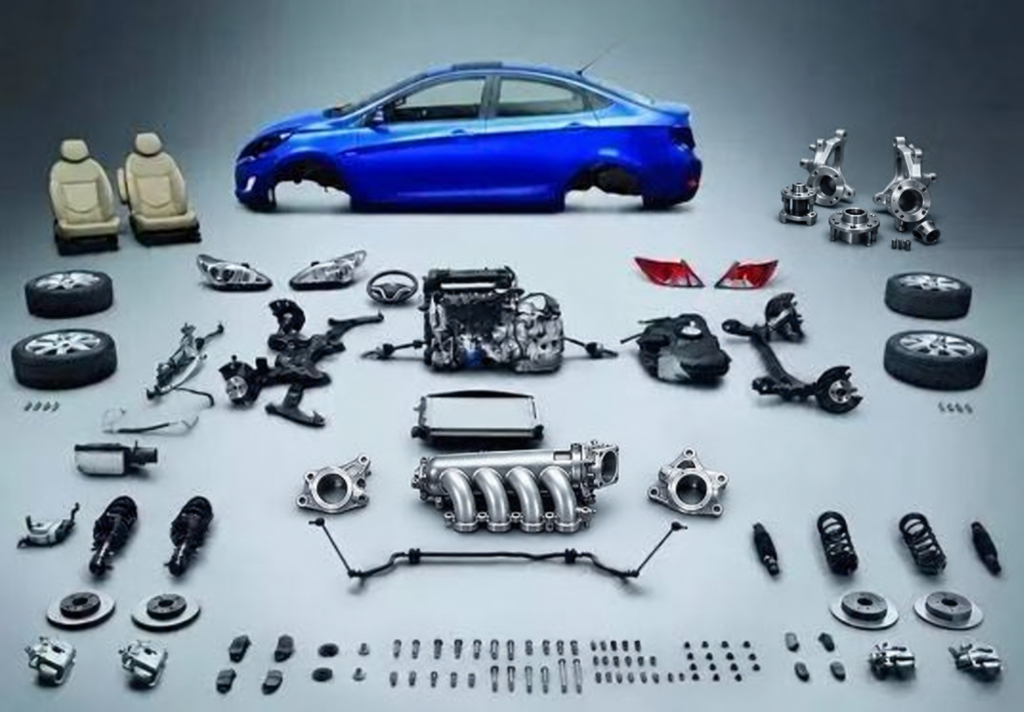
CNC racing parts are used in vehicles that operate under extreme conditions, including high engine speeds, repeated braking, vibration and rapid direction changes. Custom CNC machining provides a flexible way to produce racing prototypes, replacement components and small production batches.
Why Is CNC Machining Used for Racing Parts?
CNC machining does not require expensive mass-production molds, making it suitable for one-off parts and low-volume orders.
Its main advantages include:
- Fast production of functional prototypes
- Ability to manufacture complex parts
- Support for one-off and small-batch orders
- Efficient production of replacement parts
- Repeat manufacturing from an established CNC program
When a component needs to be changed, engineers can update the CAD model and machining program before producing the next version.
Common CNC Machined Racing Parts
CNC machining is used across many racing vehicle systems.
Engine and Intake Parts
Common CNC racing parts include engine brackets, steering knuckles, brake calipers, wheel hubs, drivetrain components and cockpit parts.
Suspension and Brake Parts
Examples include steering knuckles, suspension uprights, damper mounts, brake calipers, caliper brackets, and brake disc bells.
These parts often contain features on several sides, making them suitable for multi-axis machining.
Drivetrain, Wheel and Cockpit Parts
Frequently machined components include:
- Gearbox housings
- Driveshaft flanges
- Differential housings
- Racing wheel hubs
- Centerlock nuts
- Steering wheel quick-release hubs
- Paddle shifters
- Pedal components
CNC Machining Processes for Racing Parts
CNC milling is commonly used for brackets, housings, suspension parts, and brake components.
CNC turning is suitable for round parts such as hubs, shafts, spacers, pulleys, fittings, and adapters.
Turn-mill machining combines turning and milling on one machine, making it useful for components with both round and non-round features.
Five-axis machining is often used for complex brake calipers, steering knuckles, suspension uprights, intake components, and gearbox housings. It can reach multiple sides of a part while reducing the number of setups.
What Affects CNC Machining Cost?
The cost of CNC racing parts depends on part complexity, machine type, setup time, machining time, order quantity and delivery requirements.
The main cost factors include:
- Part complexity
- Required machine type
- Number of setups
- Programming and machining time
- Tooling and fixture requirements
- Order quantity
- Delivery schedule
Ordering several identical parts can reduce the unit price because the initial programming and setup costs are distributed across the batch.
What Is Needed for a Quote?
For an accurate CNC machining quote, provide:
- A 3D CAD file, preferably STEP
- A 2D drawing when available
- Part name and revision number
- Required quantity
- Requested delivery date
- Shipping destination
Complete project information helps the supplier select an efficient machining process and prepare a reliable quotation.
Conclusion
Custom CNC machining is suitable for racing prototypes, replacement parts, and small production batches.
CNC milling, turning, turn-mill, and five-axis machining can produce specialized engine, suspension, brake, drivetrain, wheel, and cockpit components. Choosing a supplier with suitable equipment and motorsport experience can help reduce lead time and support repeat production.