Worn PVD-coated medical devices should not remain in service solely because the underlying component still looks intact. Continued use depends on the device type, coating function, wear location, exposed substrate, particle risk, cleaning performance, and the manufacturer’s validated acceptance criteria.
What Changes When the Coating Wears?
PVD coatings such as TiN, CrN, and DLC may provide wear resistance, low friction, corrosion control, color identification, or reduced metal release. Once the layer is scratched through, these functions can no longer be assumed.
Coating damage may create:
- Exposed substrate and localized corrosion
- Hard particles or coating flakes
- Increased friction and operating force
- Rough areas that retain biological debris
- Dimensional changes at precision interfaces
- Loss of color coding or surface identification
Minor discoloration is not always functional failure, but flaking, deep scratches, corrosion, sharp edges, and substrate exposure in a critical contact zone require the device to be quarantined for evaluation.

Reusable Instruments Require Defined Limits
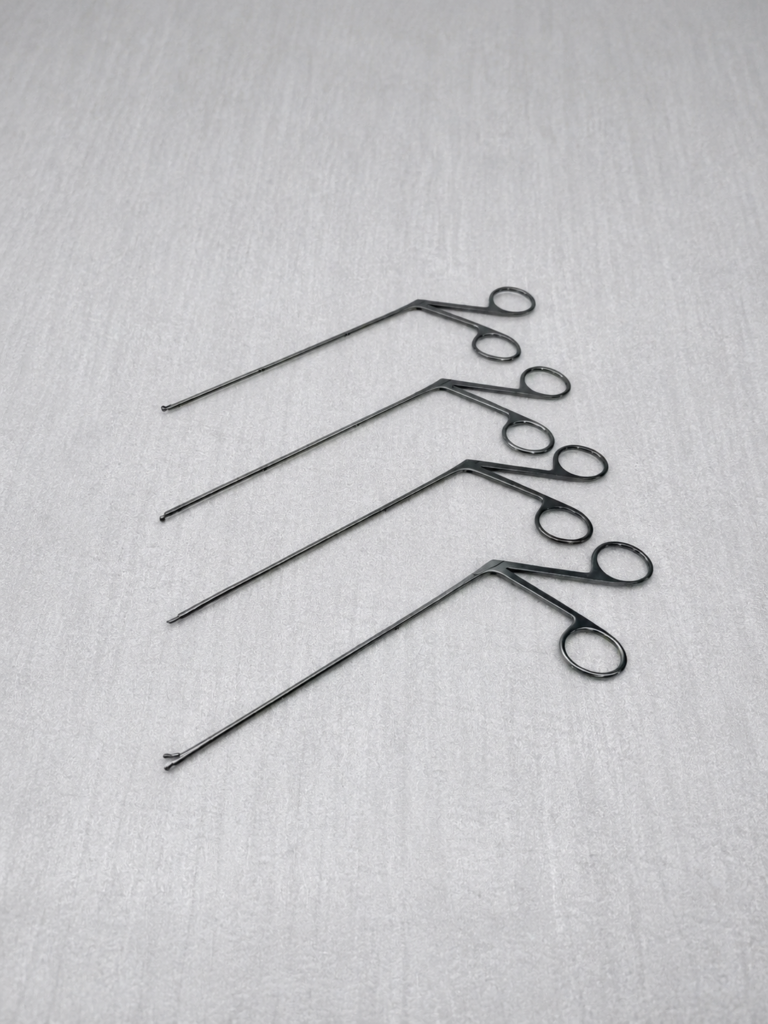
For reusable forceps, cutters, guides, drills, and surgical instruments, coating wear may affect both mechanical performance and reprocessing.
A damaged surface can be more difficult to clean, particularly around joints, serrations, lumens, and sliding interfaces. The FDA emphasizes that reusable medical devices require device-specific, validated cleaning, disinfection, or sterilization procedures. Following the manufacturer’s instructions is essential for safe reuse. See the FDA guidance on reprocessing reusable medical devices.
If the instructions for use define coating loss, corrosion, pitting, or surface damage as an end-of-life condition, the device should be removed from service. A healthcare facility should not create its own visual acceptance standard without supporting manufacturer information.
Implant Wear Requires a Different Decision
An implant already inside a patient is not automatically removed because its PVD coating shows expected wear. Revision surgery introduces separate clinical risks. The decision must be made by qualified clinicians using symptoms, imaging, device performance, wear-debris evidence, and manufacturer guidance.
However, an unused implant with damaged or visibly flaking coating should not be implanted unless it has been formally evaluated and released through the manufacturer’s quality system.
Biological safety applies to the finished device and its intended exposure. ISO 10993-1:2025 requires biological evaluation within a risk-management framework. A worn surface may change tissue exposure from the original PVD layer to the substrate, interlayer, and released particles.
Visual Inspection Is Only the First Step
Visual examination can identify obvious peeling, scratches, discoloration, corrosion, and edge damage, but it cannot confirm coating adhesion, remaining thickness, or particle-release risk.
A technical assessment may include:
- Magnified surface inspection
- Coating adhesion and wear evaluation
- Surface roughness measurement
- Corrosion testing of exposed areas
- Friction or operating-force testing
- Dimensional and functional verification
- Particle or debris assessment
- Cleaning and sterilization validation
Acceptance criteria must reflect where the wear occurs. Damage on a non-contact exterior surface may have a different risk from wear on a cutting edge, articulation, implant interface, or patient-contacting area.
Can the Device Be Recoated?
Recoating may be possible, but only through a qualified refurbishment process approved for that device. The old coating must usually be removed without changing dimensions, surface finish, fatigue strength, or material condition.
The complete route—stripping, polishing, cleaning, recoating, and sterilization—must be validated. A new PVD layer applied over residual coating, corrosion, or damaged substrate may have poor adhesion.
Unapproved local polishing or touch-up should be avoided. It can remove identification marks, alter critical geometry, expose additional substrate, or produce a surface condition different from the cleared or approved device.
FDA materials distinguish servicing that returns a device to its original safety and performance specification from activities that significantly change its performance or intended use. Refurbishment should therefore remain under appropriate manufacturer or authorized service controls.
A Practical Release Decision
Continued use is reasonable only when the coating wear remains within documented limits, the device passes functional and surface inspection, reprocessing remains effective, and no unacceptable biological or particle risk has been introduced.
If these conditions cannot be demonstrated, the appropriate action is to quarantine the device and consult the manufacturer for repair, recoating, or replacement.
Conclusion
PVD wear does not create one universal end-of-life point, but it cannot be ignored. Reuse should be based on validated criteria for the specific device—not appearance alone. Flaking, substrate exposure, corrosion, functional change, or uncertain cleanability are strong reasons to stop use pending formal evaluation.