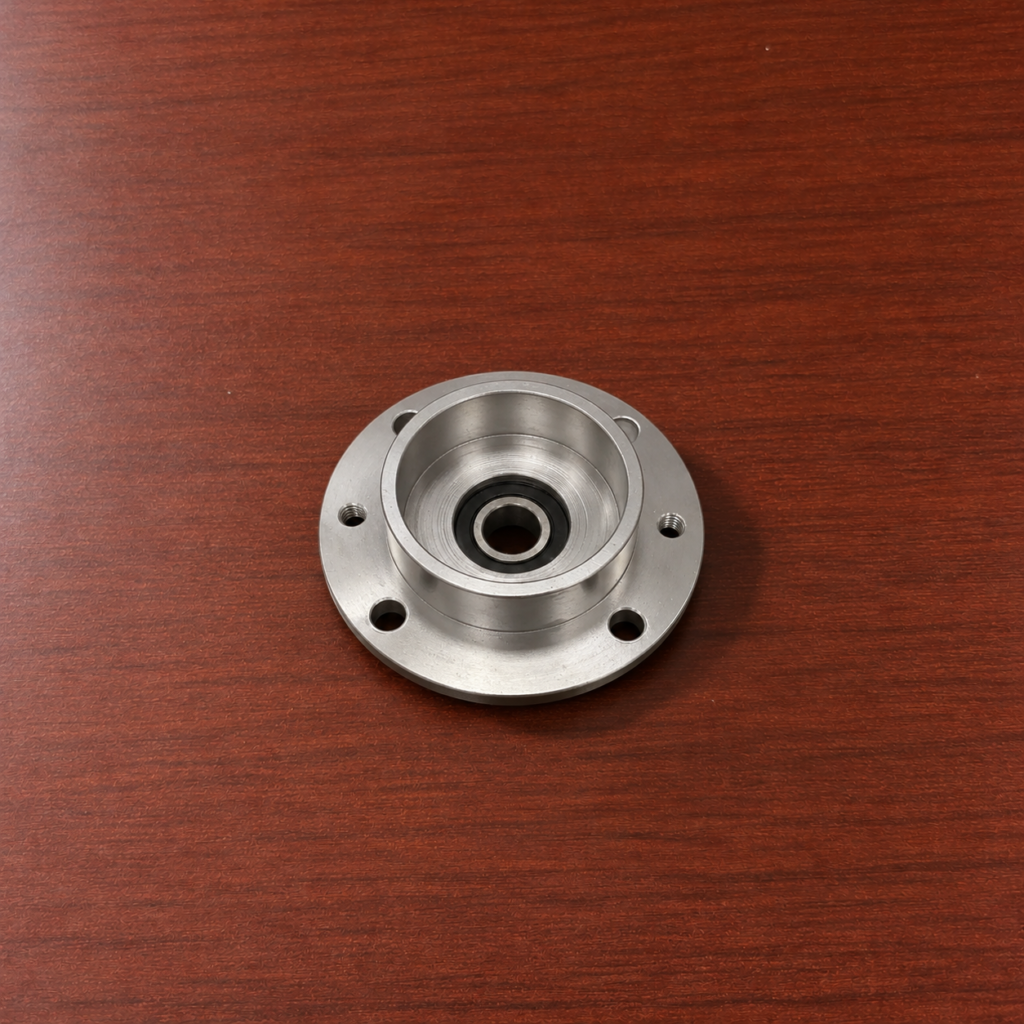
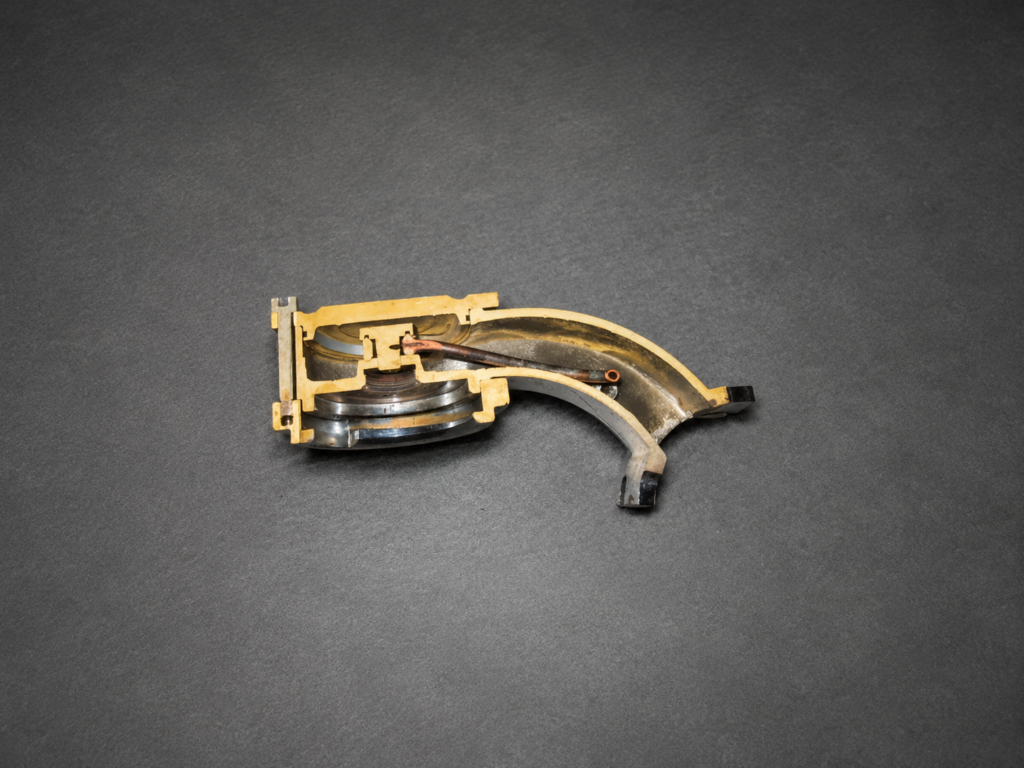
Coffee machine brew head CNC machining creates the internal route that carries water from an inlet to multiple distribution points. A typical part may contain a central opening, one or more annular channels, radial passages and a circular pattern of outlet holes.
The machining sequence can be understood by following the same route as the water: enter the body, reach the circular channel and leave through evenly positioned openings.
Start at the Main Center
The blank is first faced to establish a flat reference. The outer diameter and central opening are then machined from the same rotational axis.
The center bore may provide clearance for another component or form part of the brewing chamber. Drilling removes the initial stock before boring brings the opening to its programmed diameter.
Completing these circular features first establishes the center used to locate the annular channels and outlet-hole pattern.
Mill the Circular Flow Channel
The annular channel is machined as a continuous circular path around the center bore. An end mill enters at a controlled point and follows the programmed diameter.
Rough milling removes most of the channel material. A separate finishing pass completes the bottom and sidewalls while maintaining a consistent path around the full circumference.
Where two concentric channels are required, both are machined from the same coordinate origin. This keeps their spacing consistent and allows connecting holes to reach the correct flow area.
The tool should avoid stopping unnecessarily inside the finished channel because a stationary mark may interrupt the sealing or contact surface nearby.
Connect the Water Inlet
The inlet passage often approaches the annular channel from the side or rear of the brew head. The component is repositioned or indexed so the drill follows the required direction.
A spot drill creates a stable entry before the passage is drilled. The programmed depth must be sufficient to reach the channel without entering an adjacent recess.
As the drill breaks into the annular path, cutting resistance changes. Reducing feed near the intersection helps control the exit burr and limits impact on the drill.
Divide the Flow Around the Head
Small outlet holes distribute water from the circular channel toward the brewing area. Their positions are calculated from the common center rather than measured individually from the outside edge.
The CNC program divides the full circle by the required number of outlets. Each hole is then spot drilled and drilled at its assigned angular position.
A typical machining order is:
- complete the annular channel;
- open the main inlet passage;
- drill the larger connecting holes;
- produce the smallest distribution holes.
This order gives chips from the smaller holes a route into passages that are already open.
Machine the Sealing and Mounting Features
After the flow network is established, the surrounding faces, gasket grooves and mounting holes are completed. A circular gasket groove must remain concentric with the brewing chamber and should be machined from the same central reference.
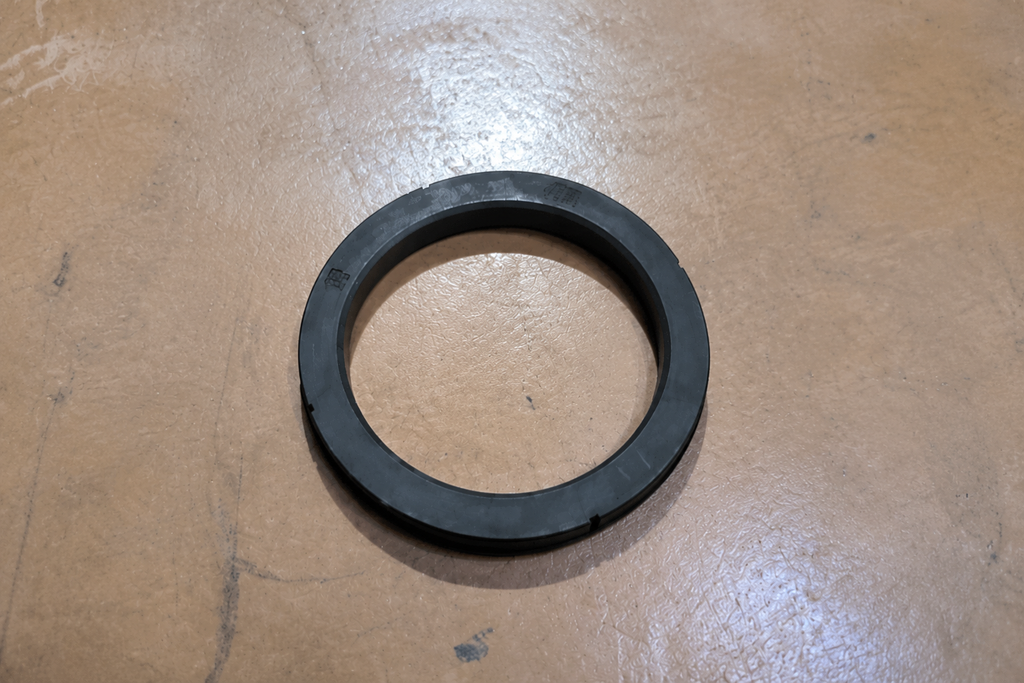
Mounting holes may include threads, counterbores or through-holes. They are produced after the main circular features so the component retains more rigidity during channel milling.
All channel edges and hole intersections are cleaned without enlarging the flow openings. Effective coffee machine brew head CNC machining depends on using one center to coordinate the bore, annular channel, sealing groove and complete distribution pattern.