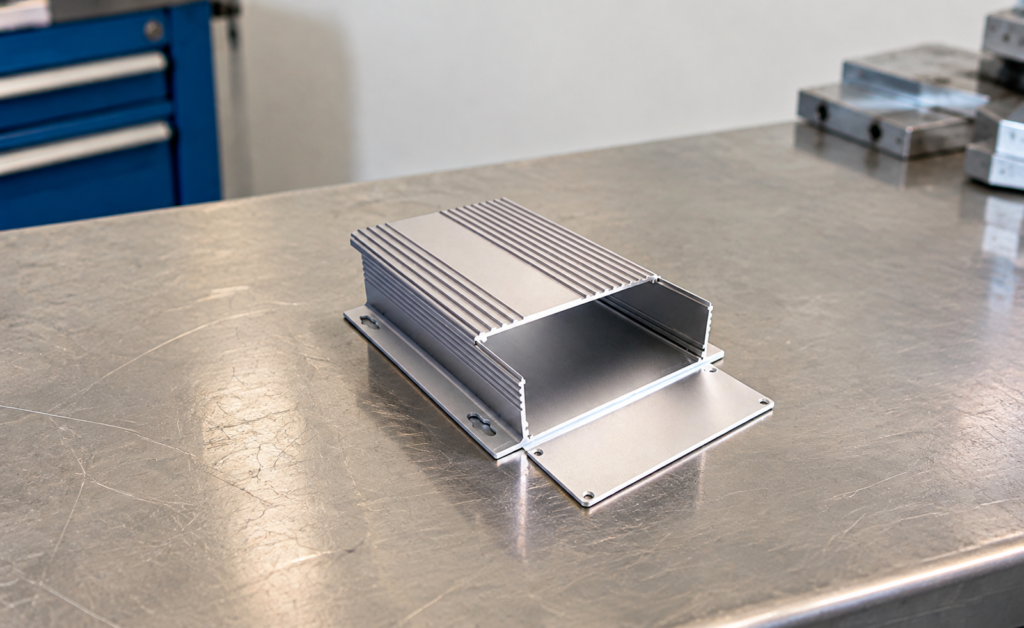
Battery pack aluminum housing coolant corrosion is controlled by more than applying a protective coating. In battery systems with integrated cooling channels or cold plates, corrosion performance depends on coolant chemistry, aluminum surface condition, joints, seals, and contact with other metals.
A reliable investigation begins at the coolant reservoir and follows the fluid through the complete thermal-management circuit.
Start with the Coolant
An inhibited coolant is the first corrosion-control measure. Its inhibitor package helps maintain a protective film on aluminum and other metals in the cooling circuit.
Incorrect dilution, mixed coolant formulations, contaminated water, or excessive chloride content can reduce this protection. Aging may also change pH, reserve alkalinity, and inhibitor concentration. Using untreated water alone can create unpredictable corrosion behavior, even when the initial conductivity is low.
Only coolant approved for the complete system should be used. Production and service controls should cover mixing ratio, water quality, pH, conductivity, chloride contamination, and replacement intervals.
Follow the Fluid into the Aluminum Channels
Coolant-contact surfaces may include extruded channels, machined passages, brazed cold plates, cast housings, and welded covers. Each manufacturing method produces a different surface condition.
Machining residue, brazing flux, oxide, particles, and cleaning chemicals can remain inside narrow channels. These contaminants may disturb the natural aluminum oxide layer or react with the coolant. Cleaning and rinsing must therefore be validated for internal passages, not only visible exterior surfaces.
Conversion coatings, sealed anodic films, or compatible organic coatings may provide additional protection in selected designs. However, a treatment must not reduce heat transfer, interfere with brazing or welding, release particles, or significantly restrict small channels. Internal coatings also require complete coverage because isolated pores can concentrate corrosion.
Examine Every Joint and Seal
Coolant often causes the most serious damage at joints rather than on open surfaces. Crevices beneath gaskets, cover plates, fasteners, and hose connections can retain fluid and develop a different local chemistry.
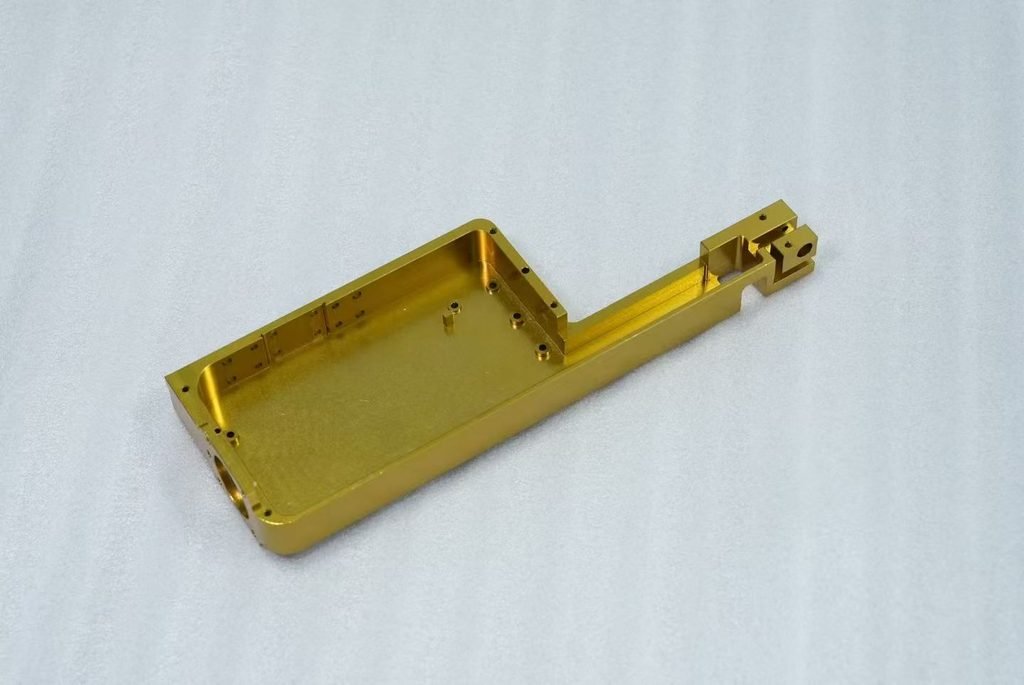
Sealing surfaces need controlled flatness and roughness. Excessive roughness can create leakage paths, while coating buildup may change gasket compression. Bolted joints must maintain sufficient load through temperature cycling without distorting thin aluminum walls.
Elastomers should be tested for swelling, hardening, compression loss, and chemical extraction in the actual coolant. A corrosion-resistant housing cannot compensate for an incompatible seal.
Check Dissimilar-Metal Connections
An EV cooling circuit may contain aluminum battery coolers together with copper heat exchangers, stainless-steel fittings, steel fasteners, or conductive sensors. When dissimilar metals are electrically connected through coolant, galvanic corrosion can concentrate on the aluminum.
The design can reduce this risk through compatible coolant inhibitors, electrical isolation, nonconductive connectors, suitable fastener finishes, and controlled metal-area ratios. Small exposed aluminum areas connected to a much larger noble-metal surface deserve particular attention.
Metal particles left after machining or assembly can also create local galvanic cells. Cleanliness requirements should therefore include both chemical residue and metallic debris.
Treat Leakage as a System Failure
External surface treatment protects the housing if coolant escapes from a channel or connection, but it should not be the primary internal defense. A conversion pretreatment combined with e-coating, powder coating, or another qualified finish can limit corrosion spread on exposed exterior areas.
Leak paths should direct coolant away from electrical components and prevent it from remaining in closed cavities. Drainage, leak-detection features, and clear separation between cooling passages and cell compartments reduce the consequences of seal failure.
Prove the Complete Assembly
Coolant evaluation should begin with standardized corrosion screening, but coupon testing alone is insufficient. ASTM D1384 can identify clearly harmful coolant formulations, while ASTM D4340 evaluates cast aluminum under heat-rejecting conditions.
Final validation should include representative aluminum alloys, joints, seals, mixed metals, coolant flow, pressure cycling, temperature cycling, and aged coolant. After testing, inspect for pitting, coating damage, deposits, seal degradation, pressure loss, and increased metal-ion concentration in the fluid.
Conclusion
Preventing coolant corrosion in an aluminum battery housing requires control from the fluid to the finished assembly. Stable coolant chemistry, clean internal channels, compatible surface treatments, reliable seals, galvanic isolation, and system-level testing must work together throughout the battery pack’s service life.