Outdoor aluminum parts must withstand moisture, sunlight, temperature changes, pollutants, and sometimes salt exposure. Although aluminum naturally forms a thin oxide layer, this layer may not provide enough protection or appearance stability for long-term outdoor use.
The best outdoor aluminum surface finishes depend on the exposure level, expected service life, appearance, wear, and maintenance requirements.
Start with the Exposure Environment
A part used under a covered outdoor enclosure has different requirements from one installed near the coast. Before selecting a finish, determine whether the component will face direct rain, strong UV radiation, salt spray, industrial pollution, abrasion, or frequent cleaning.
This distinction is important because a finish that performs well in a mild urban environment may deteriorate quickly in coastal or chemical conditions.
Anodizing for Durable Outdoor Protection
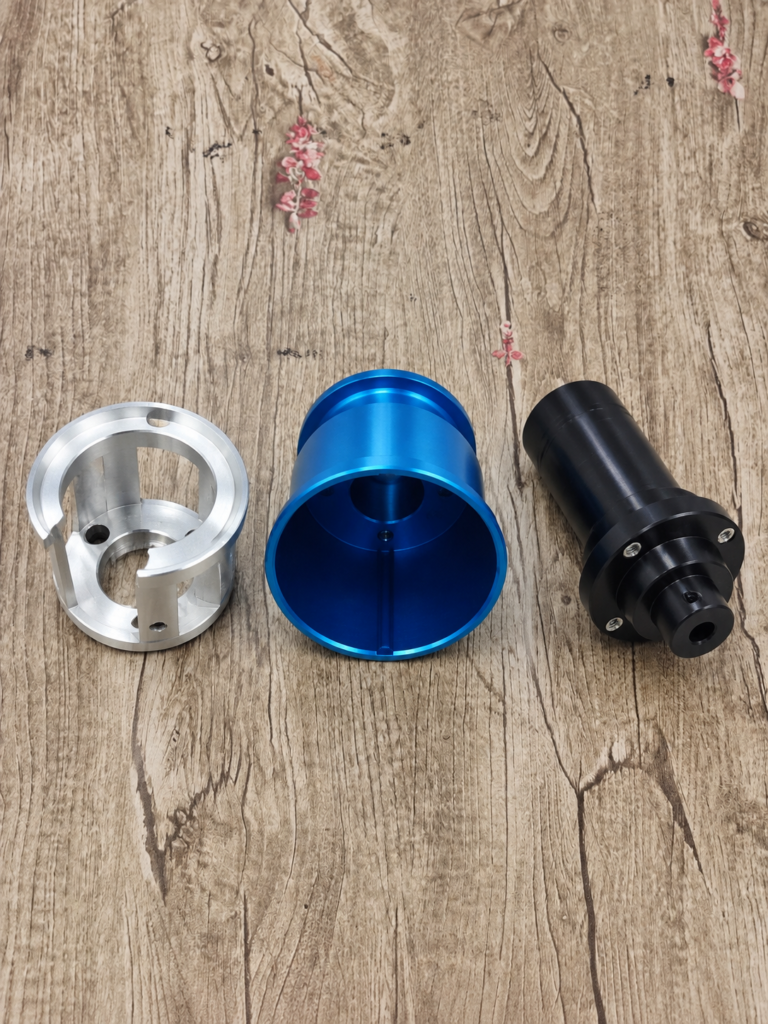
Anodizing converts the aluminum surface into a controlled oxide layer. It provides good corrosion resistance, surface hardness, and a clean metallic appearance.
Type II sulfuric acid anodizing is commonly used for outdoor housings, brackets, panels, and equipment components. Proper sealing is essential because it closes the pores in the anodic layer and improves resistance to moisture and contamination.

Hard anodizing provides greater wear resistance but is normally selected for functional contact surfaces rather than primarily decorative outdoor parts.
Anodized colors can change during prolonged UV exposure, especially when lower-performance dyes are used. For long-term exterior appearance, the anodizing process, sealing method, and color stability should be specified.
Powder Coating for Color and Weather Resistance
Powder coating creates a thicker organic barrier over the aluminum surface. It offers a wide range of colors and textures while providing good protection from rain, sunlight, and general outdoor exposure.
Outdoor parts should use a powder formulation designed for exterior service. Polyester systems are commonly selected because of their UV and weather resistance.
Surface preparation is critical. Poor cleaning or pretreatment can allow corrosion to develop beneath the coating, particularly around edges, holes, scratches, and damaged areas.
Powder coating is suitable for equipment housings, frames, covers, control boxes, and structural components where color and appearance are important.

Chemical Conversion Coating as Pretreatment
Chemical conversion coating forms a very thin protective film on aluminum. By itself, it offers less long-term outdoor protection than a properly sealed anodized finish or a high-performance coating system.
Its main value is as a pretreatment beneath paint or powder coating. It improves coating adhesion and helps limit corrosion if the outer coating is damaged.
MIL-DTL-5541 Class 1A conversion coatings are intended for corrosion protection and improved paint adhesion. Type II options are available when hexavalent-chromium-free processing is required.

Duplex Systems for Severe Exposure
Coastal, marine, and highly polluted environments may require more than one protective layer. A typical system combines suitable surface pretreatment with an exterior-grade primer and topcoat.
This approach provides a stronger barrier than a single finish and improves protection around complex geometry. However, edges, drainage areas, fastener interfaces, and coating damage remain potential corrosion points.
For critical outdoor equipment, the complete coating system should be specified rather than listing only a color or general process name.
Quick Selection Guide
| Outdoor condition | Recommended approach |
|---|---|
| Covered or mild exposure | Sealed anodizing |
| General rain and sunlight | Sealed anodizing or exterior powder coating |
| Decorative colored components | Exterior-grade powder coating |
| Sliding or abrasive surfaces | Hard anodizing |
| Coastal or industrial exposure | Pretreatment plus high-performance coating system |
| Parts requiring electrical contact | Conversion coating with protected contact areas |
Important Selection Factors
The finish should be selected according to the actual operating environment rather than appearance alone. Drainage, crevices, contact with dissimilar metals, coating damage, and cleaning chemicals can all influence outdoor performance.
Where color retention is important, the coating supplier should confirm UV resistance. Where corrosion protection is critical, the drawing should define the pretreatment, coating system, required testing, and areas that must remain uncoated.
Conclusion
Sealed anodizing and exterior-grade powder coating are the most common outdoor aluminum surface finishes. Anodizing maintains a metallic appearance and provides good corrosion resistance, while powder coating offers more color and texture options.
Chemical conversion coating is most effective as a pretreatment, and severe coastal or industrial environments may require a complete multilayer coating system.
The correct finish should always be based on exposure conditions, required service life, appearance, and maintenance expectations.