Over-pickled titanium parts may look clean at first, but excessive acid exposure can remove more than oxide scale and surface contamination. It can also alter dimensions, increase roughness, damage detailed features, and raise the risk of hydrogen-related degradation.
The first inspection should therefore examine more than surface color.
At the Dimensional Inspection Station
Pickling removes a controlled amount of titanium from every exposed surface. If the immersion time, temperature, or bath activity exceeds the qualified range, material loss continues after the unwanted oxide layer has disappeared.
External diameters may become undersized, while bores and holes become enlarged. Thin walls lose thickness, and sealing faces can fall outside flatness or finish requirements. Because the attack may occur over the entire part, the defect is not always obvious during visual inspection.
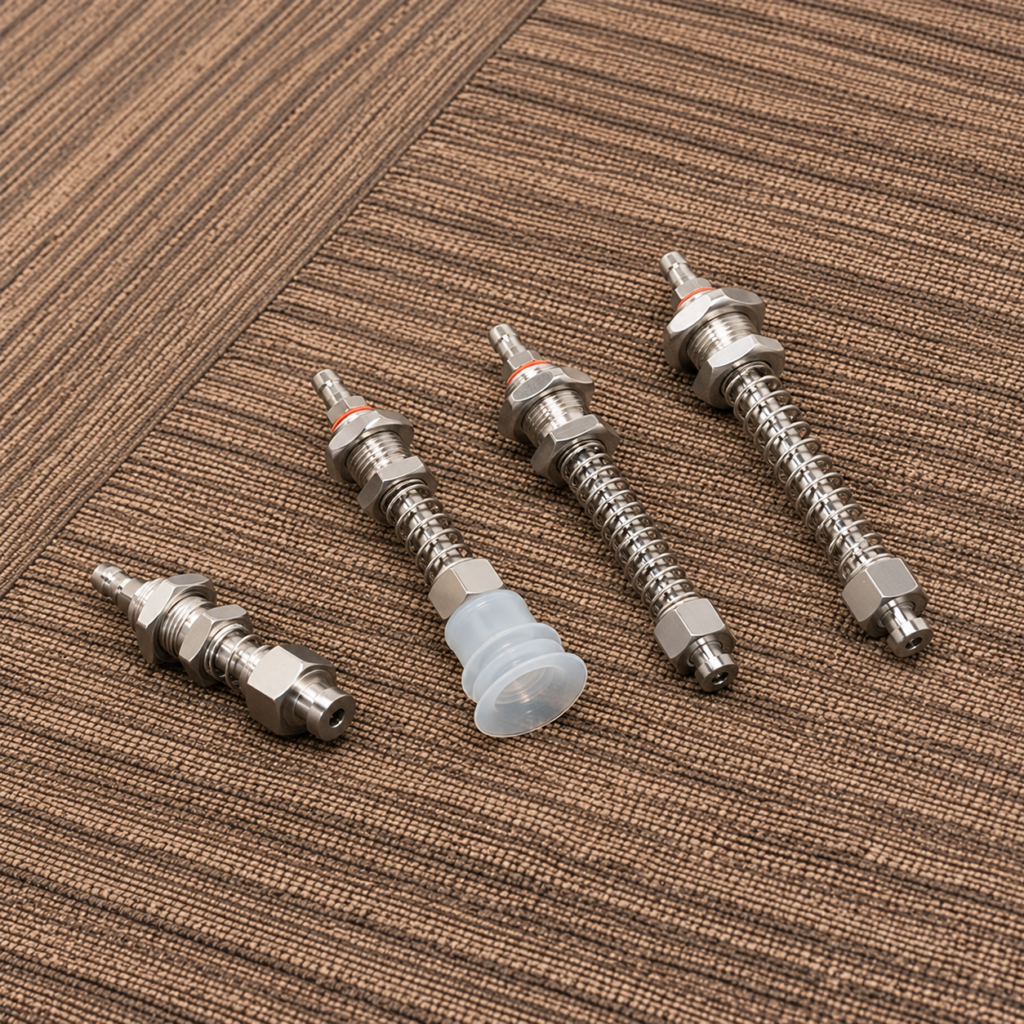
Threads are particularly sensitive. Excessive metal removal can reduce flank thickness, enlarge pitch diameter, and round the thread crest. A fastener may still assemble normally but provide less engagement or lower load capacity.
Under Magnification, the Surface Changes
A correctly controlled pickling process generally leaves a clean, consistent surface. Excessive treatment can create a dull, etched appearance with higher surface roughness.
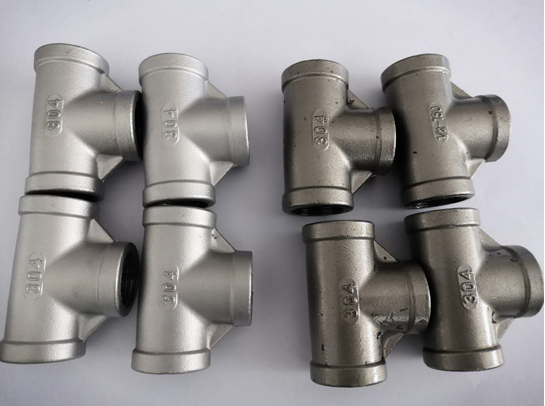
The attack may not remain uniform. Variations in microstructure, residual scale, contamination, or local fluid movement can produce pits and irregular etching. Sharp corners and thin edges may become rounded because they are exposed to the solution from multiple directions.
These surface defects matter even when the dimensions remain acceptable. Pits and deep etching marks act as stress concentrators, particularly on rotating, cyclically loaded, or highly stressed titanium components.
The Hidden Risk Is Hydrogen
Titanium normally has a protective oxide film that limits hydrogen entry. Acid treatment temporarily disrupts this film, and unsuitable pickling conditions can promote hydrogen absorption.
Excessive exposure, an improperly controlled bath, or metallic contamination may increase this risk. Absorbed hydrogen can form brittle hydrides under certain conditions, reducing ductility and resistance to cracking. The defect may not be visible on the finished surface.
This is especially important for aerospace fasteners, medical components, pressure-containing parts, and other products exposed to sustained or cyclic loads. A visually clean part is not proof that its hydrogen level is acceptable.
The Problem May Appear Later
Surface roughness and pitting can shorten fatigue life even if the part passes an initial static load test. Cracks may begin at etched edges, thread roots, machining marks, or locally attacked areas.
Over-pickling may also affect subsequent processes. An excessively rough surface can produce uneven anodizing or coating appearance. Dimensional loss can change assembly clearance, sealing compression, and alignment. Residual chemicals trapped in blind holes may cause staining or interfere with later finishing.
For this reason, delayed failure is often more serious than the immediate cosmetic defect.
How Should Suspected Parts Be Evaluated?
Begin by comparing the actual pickling record with the approved process: exposure time, bath condition, temperature, part loading, and rinse sequence. Bath concentration alone does not show how aggressively the solution attacked the component.
Dimensional inspection should cover critical diameters, wall thickness, holes, threads, and sealing features. Surface roughness measurement and magnified visual inspection can reveal excessive etching or pitting.
For safety-critical parts, additional evaluation may include hydrogen analysis, metallographic examination, dye-penetrant inspection, or fatigue testing. The required method depends on the alloy, application, and governing specification.
Control Removal, Not Just Cleaning
Titanium pickling should remove contamination, scale, or oxygen-enriched surface layers without unnecessarily attacking the base metal. A longer treatment does not automatically produce a cleaner or more corrosion-resistant part.
Reliable processing requires a qualified bath, controlled exposure, effective rinsing, dimensional allowances, and inspection criteria matched to the component. Once excessive metal has been removed, passivation or repickling cannot restore the original dimensions or surface geometry.