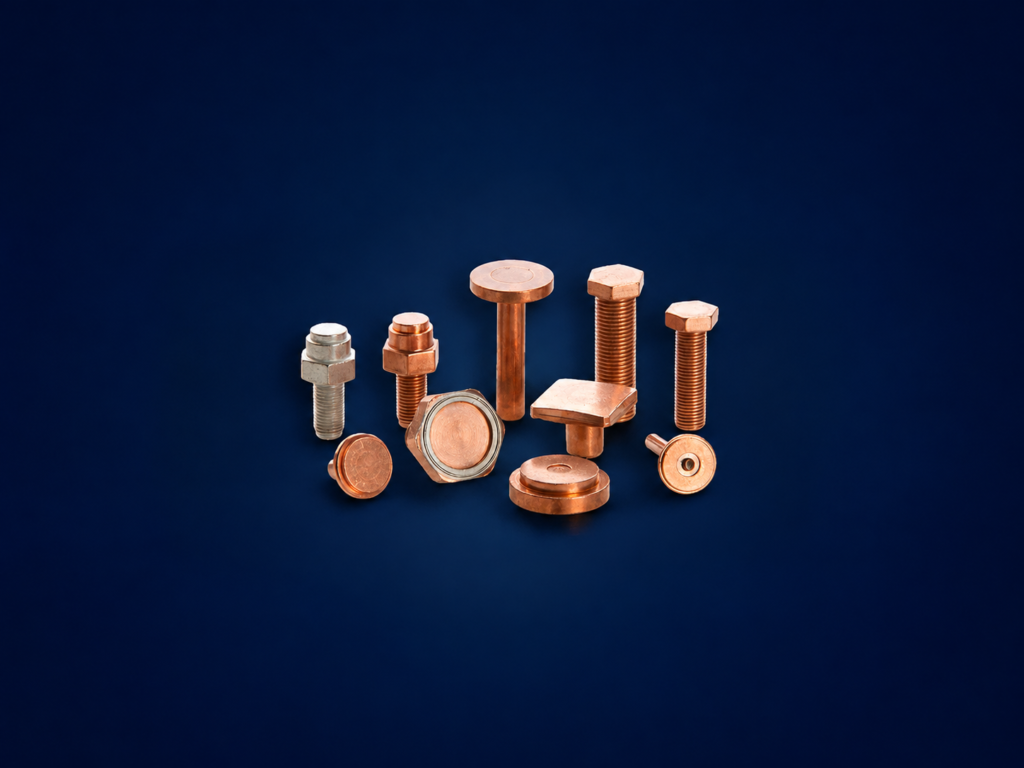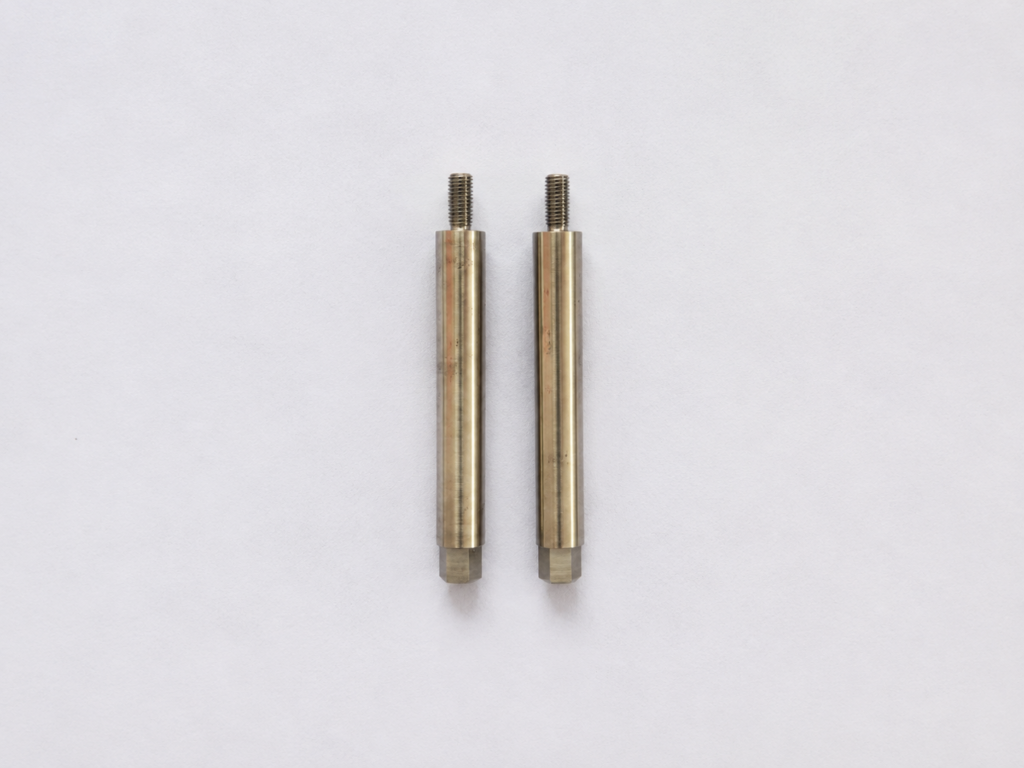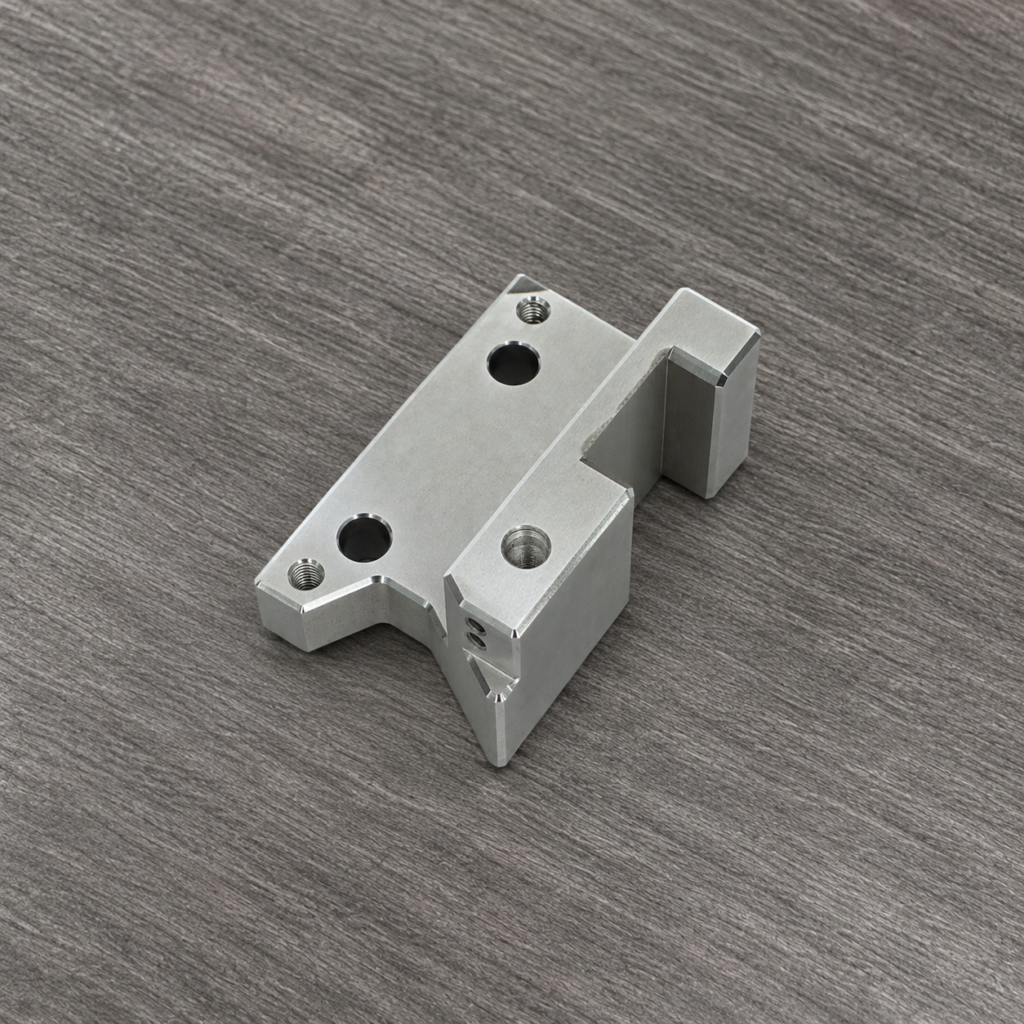

CNC machined aluminum components are widely used in lithium battery test fixtures because they combine low mass, rigidity, thermal conductivity, and machining flexibility. These qualities help a fixture hold cells consistently while accommodating electrical contacts, temperature sensors, insulation, and adjustable loading mechanisms.
Their value becomes clearer by following a battery through one test cycle—from installation to removal.
Accuracy Begins Before the Current Flows
When a cylindrical, prismatic, or pouch cell is placed in a fixture, its position determines where the probes, busbars, sensors, and compression plates will make contact. If the cell shifts between tests, contact resistance and temperature readings may also change.
An aluminum battery cell holder can be machined with locating pockets, datum surfaces, guide slots, and replaceable inserts that constrain the cell without damaging its casing. CNC machining allows these features to reference the same coordinate system, reducing accumulated alignment error.
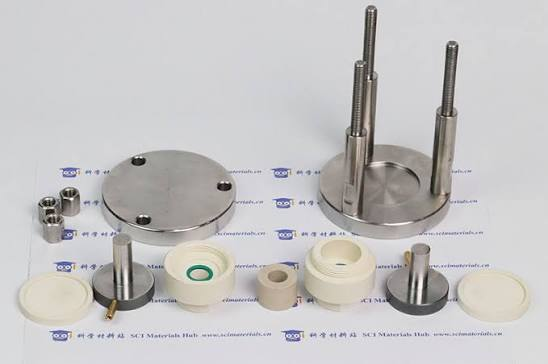
This repeatability is especially useful when several cells are tested simultaneously. Each station should present the terminals to the probes at the same height and position, rather than relying on an operator to adjust every channel manually.
Electrical Contact Changes the Design
Once testing begins, high current may pass through the cell contacts. The fixture must keep those contacts aligned and apply repeatable pressure without allowing the conductive aluminum body to create an unintended current path.
Aluminum therefore needs to be treated as a structural and thermal material—not as an electrical insulator. Polymer liners, insulating plates, ceramic spacers, insulated fasteners, and controlled air gaps may be required between the cell, probes, and frame.
Anodizing can improve wear and corrosion resistance, but it should not automatically be considered the only electrical safety barrier. Scratches, thin regions, threaded holes, and sharp edges can interrupt the coating. The insulation strategy must reflect the test voltage, current, environment, and applicable safety requirements.
Keysight’s battery-fixture guidance emphasizes preventing cell and wire movement, maintaining low probe-contact resistance, and leaving suitable space for temperature sensors. These requirements depend heavily on accurate mechanical positioning.
Temperature Becomes Part of the Measurement
Battery behavior changes with temperature, and the fixture itself can influence that temperature. Aluminum conducts heat efficiently, allowing a machined plate to distribute heat from a heater, cooling channel, or environmental chamber across the test area.
This can be useful when the goal is to reduce local hot spots or bring multiple cells toward a similar temperature. Machined channels can carry coolant, while sensor pockets can place thermocouples close to the cell surface without interfering with electrical contacts.
However, high thermal conductivity is not always beneficial. A large aluminum structure may draw heat away from the cell or act as a thermal mass that slows temperature changes. That effect can alter the conditions the test is intended to reproduce.
The correct design depends on whether the fixture should stabilize temperature, remove heat, or minimize its influence on the cell. Thermal simulation and instrumented trials are often more reliable than selecting plate thickness by experience alone.
Cell Swelling Tests the Fixture’s Stiffness
Pouch and prismatic cells can expand during charging and discharging. Some tests measure this dimensional change under a specified compressive force, while others examine how swelling develops with minimal restraint.
In either case, the fixture must distinguish cell movement from fixture deformation. If a compression plate bends, a displacement sensor may report a combination of battery swelling and structural deflection.

Battery compression test plates therefore require controlled flatness, parallelism, and stiffness. Ribs can support a lightweight plate, while localized thickness can be retained around guide rods, load cells, and sensor mounts. The design should distribute pressure without creating concentrated loads on the cell casing.
Instron’s battery-testing systems use specialized platens to measure compressive load, swelling, and strain. Their designs emphasize platen parallelism, sensor integration, electrical isolation, and compatibility with environmental chambers—showing that fixture geometry directly affects measurement quality.
Changeover Reveals the Advantage of CNC Machining
A development laboratory may test several cell formats on the same equipment. Building a completely new fixture for each size increases cost and setup time.
CNC machining makes modular construction practical. A common aluminum base can accept interchangeable nests, terminal blocks, side stops, and compression plates. Dowel holes preserve alignment, while threaded patterns allow the fixture to be reconfigured without machining the main frame again.
This approach also simplifies maintenance. Contact blocks and insulating inserts experience more wear than the base, so they can be designed as replaceable components. Damaged threads can use approved inserts instead of requiring replacement of an entire machined plate.
Aluminum Still Has Design Limits
Aluminum is not automatically suitable for every part of a lithium battery test fixture. Steel may be preferable for slender guide columns, highly loaded threads, wear surfaces, or parts requiring greater stiffness in a limited space. Engineering plastics and ceramics are often better near live electrical contacts.
Aluminum also expands more with temperature than steel. In a fixture operating across a wide temperature range, this expansion can change probe position, clamping force, or sensor alignment. Mixed-material assemblies require enough compliance to prevent binding as the components heat and cool at different rates.
A practical fixture may therefore use a machined aluminum base with steel guide hardware, copper electrical contacts, and polymer or ceramic insulation. Material selection should follow the function of each component rather than forcing the entire fixture to use one material.
The Machining Process Supports Repeatable Testing
The most important machining requirements are usually not decorative surface finish or extremely tight tolerances everywhere. Functional control should focus on cell-locating surfaces, contact positions, platen flatness, guide alignment, and sensor locations.
Thin plates may distort when large pockets are removed from one side. Balanced roughing, stable workholding, stress-relief steps, and final machining of critical surfaces can reduce this risk. Dimensions that interact with anodizing should be specified in their finished condition.
Inspection should confirm that the assembled fixture—not only its individual parts—holds the cell and probes in the required relationship. A precise component can still produce poor results if tolerance accumulation shifts the contact system.
A Fixture Is Part of the Test Method
Lithium battery test fixtures do more than prevent a cell from moving. They influence contact resistance, heat flow, compression, sensor placement, operator safety, and measurement repeatability.
CNC machined aluminum components are effective because they can integrate these functions into lightweight, accurate, and replaceable parts. Their success still depends on correct electrical isolation, thermal planning, stiffness analysis, dimensional inspection, and validation under the actual test conditions.
The best fixture is not the one with the most complicated machining. It is the one that holds each cell in a known condition without introducing uncontrolled mechanical, electrical, or thermal effects.