
CNC Hole and Thread Design Guidelines
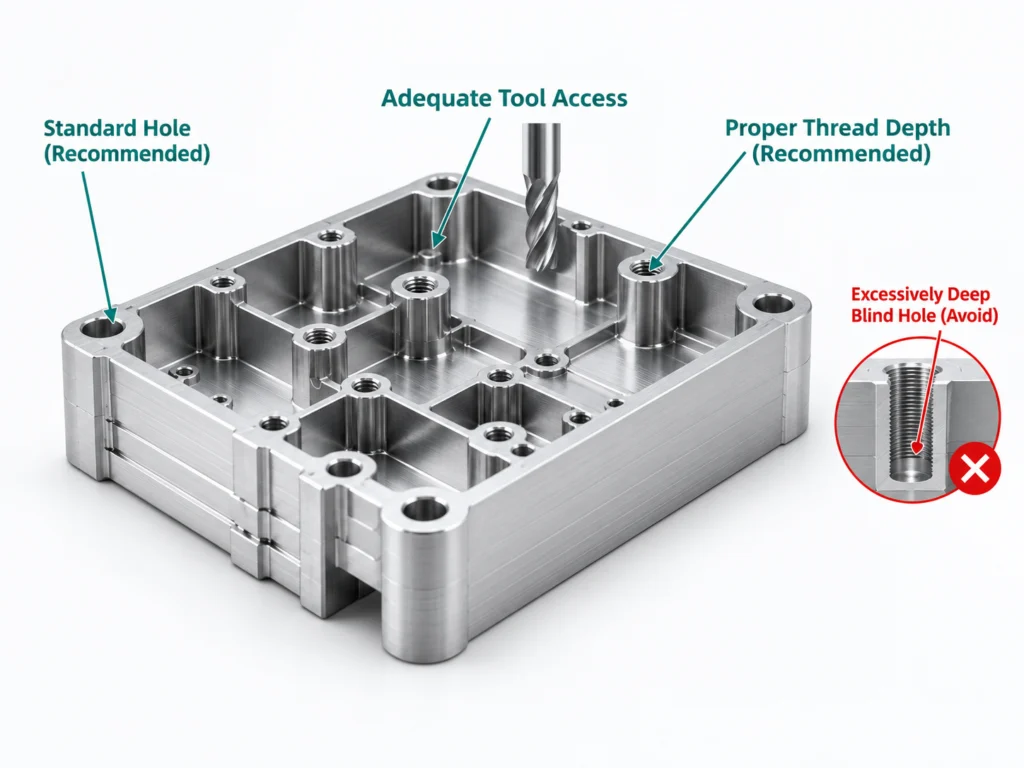
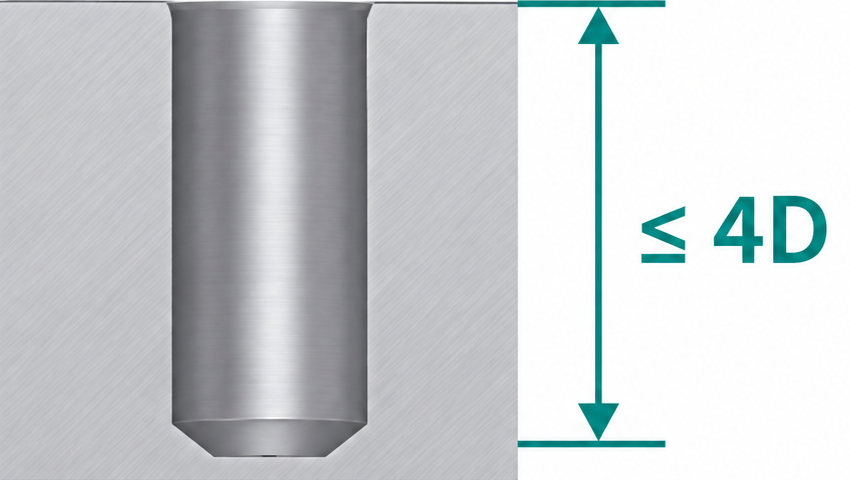
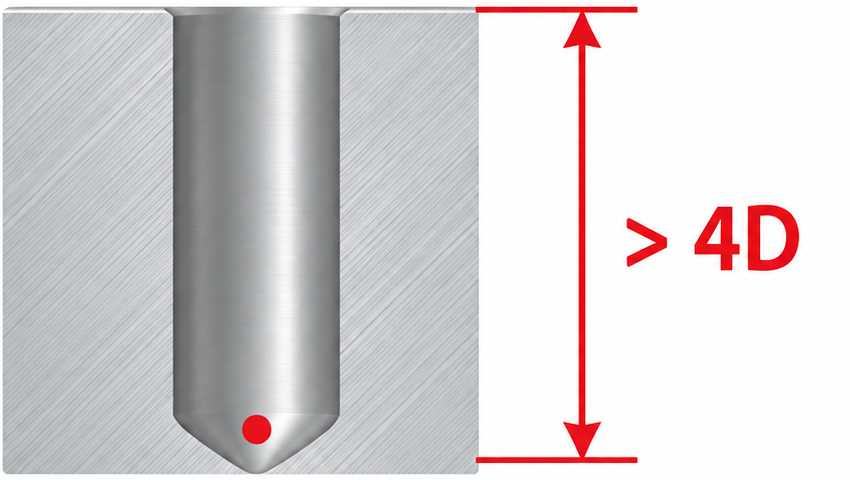
Hole Diameter & Depth Guidelines
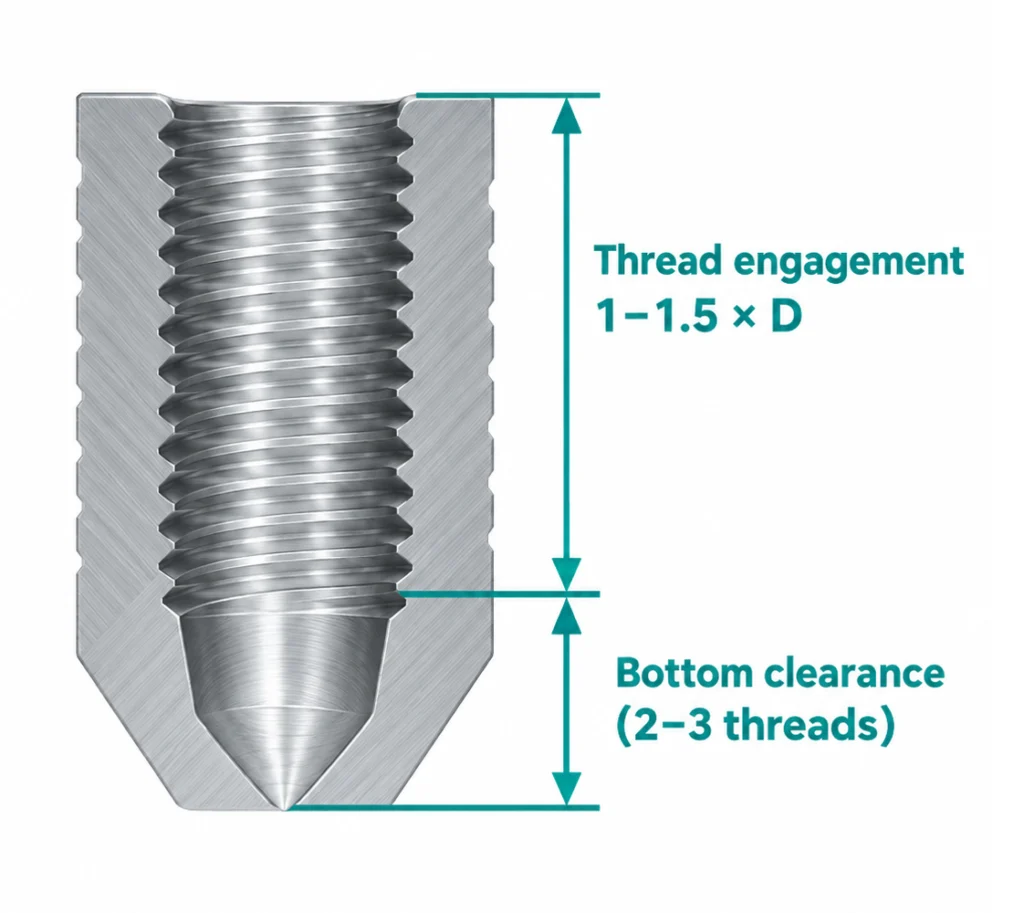
Design Threads for Reliable Performance
Standard Threads
Thread Engagement
Bottom Clearance
Thread Runout
Thread in Blind Hole
Good vs. Poor Hole & Thread Design
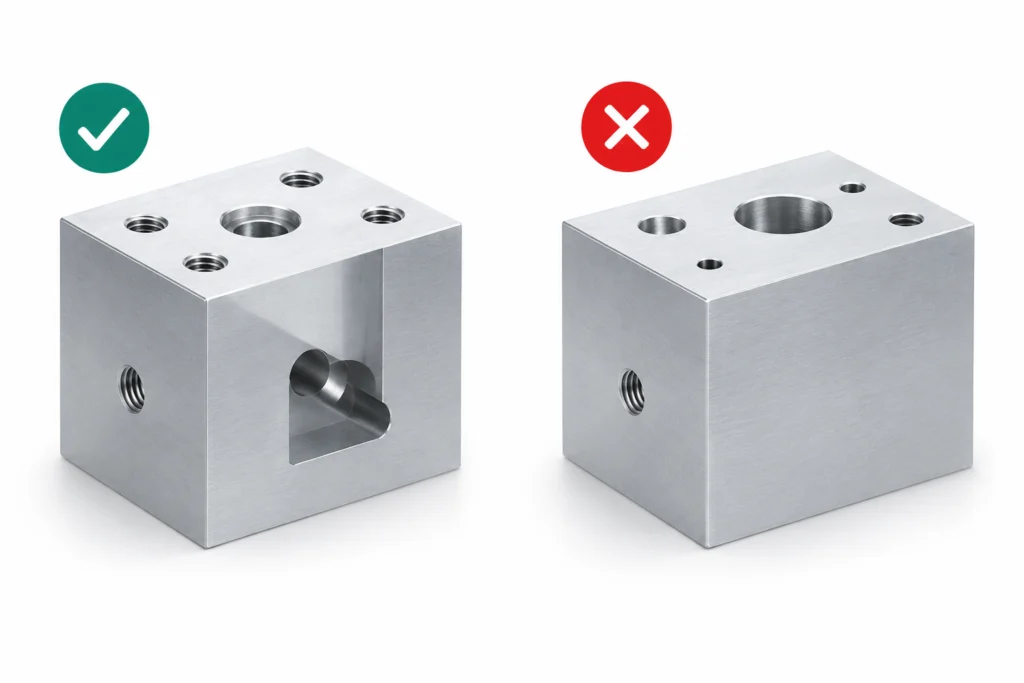
Standard Hole Sizes
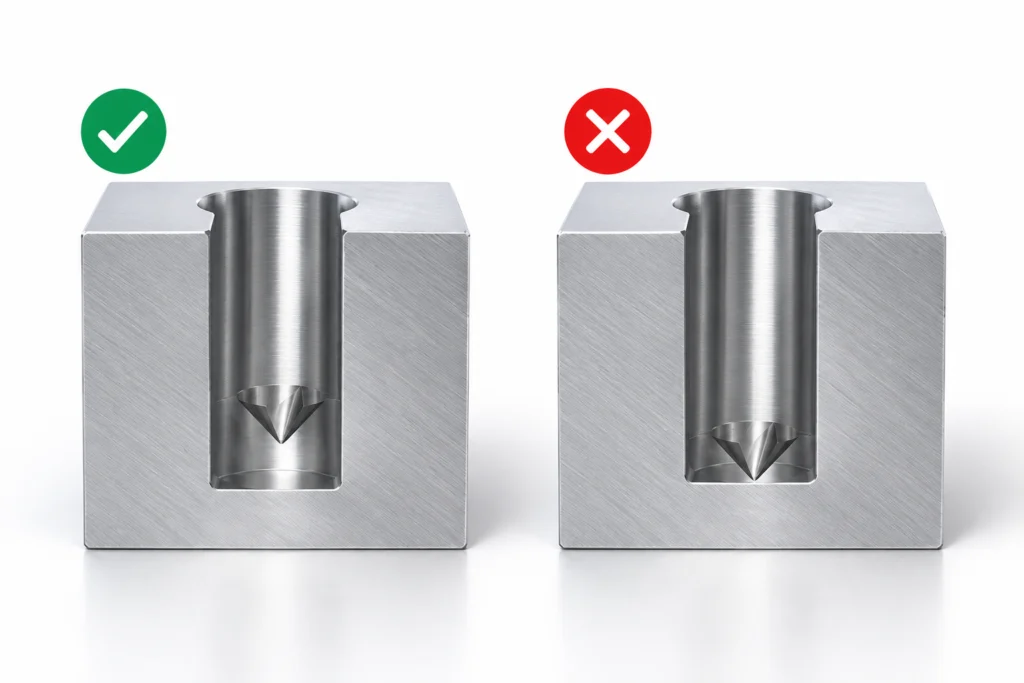
Proper Blind Hole Clearance
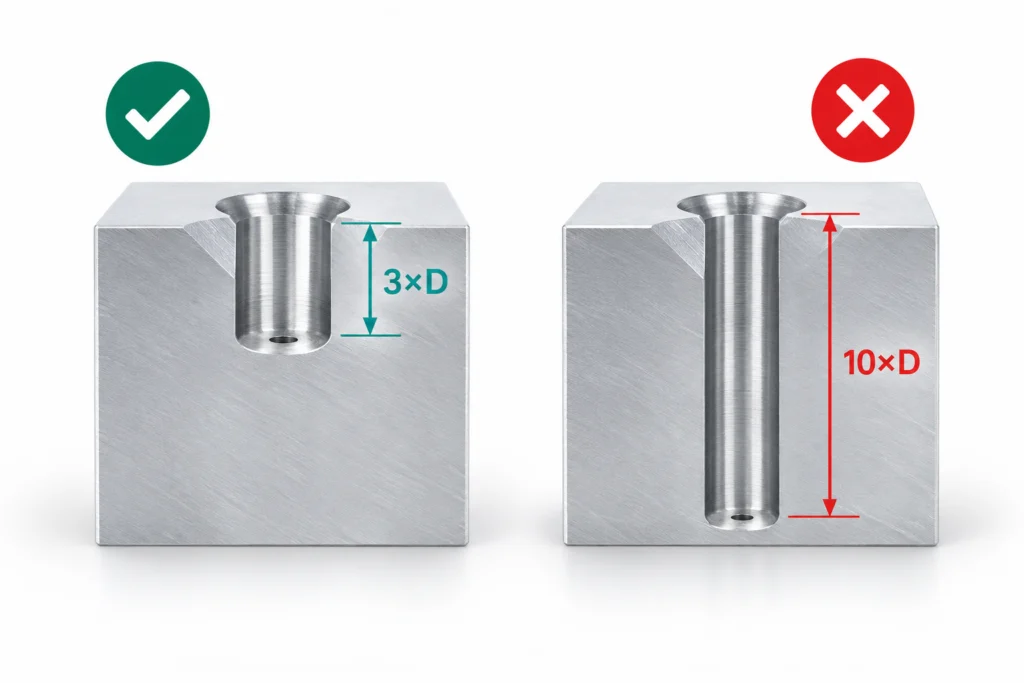
Practical Hole Depth
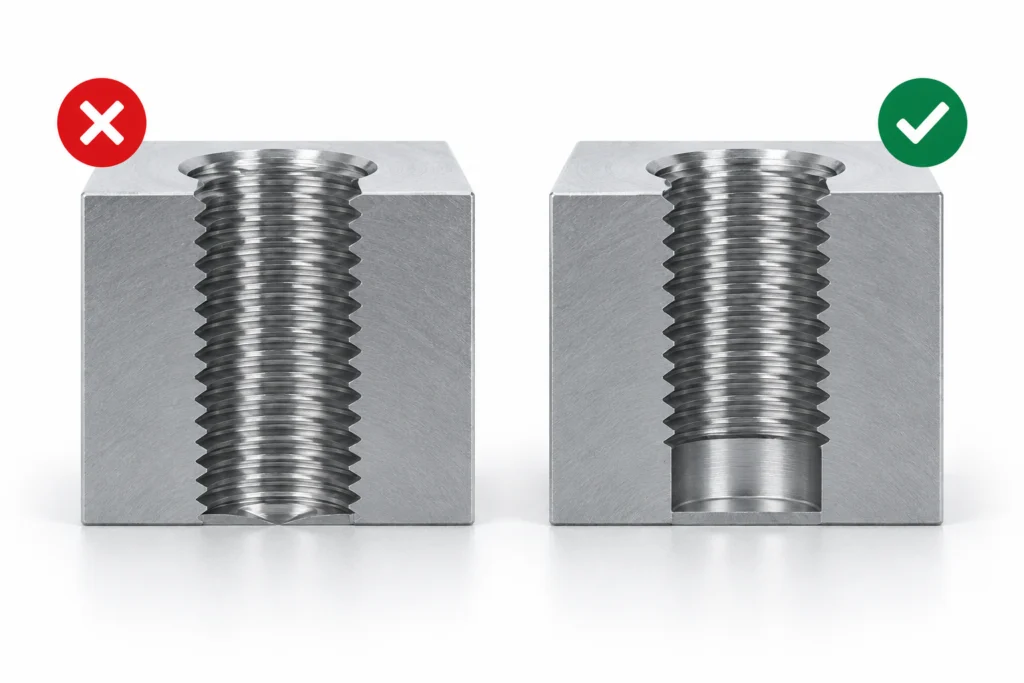
Proper Thread Clearance
Key Points for Successful Machining

Need a Hole & Thread Design Review?
Hole & Thread Design FAQs
What is a recommended hole depth-to-diameter ratio for CNC machining?
As a general design starting point, hole depths up to about 4× the diameter are typically easier to machine with conventional drilling. Deeper holes may require longer tooling, improved chip evacuation, or specialized machining strategies.
How much clearance should I leave at the bottom of a blind hole?
Blind holes should include additional depth beyond the required functional depth to allow room for the drill point, chips, and tool clearance.
How deep should threaded holes be?
A thread engagement of around 1–1.5× the nominal diameter is a common starting point. The required engagement depends on material strength, load, thread type, and application requirements.
Can you machine very deep or small-diameter holes?
Yes, but deep small-diameter holes may require special tooling and machining strategies. Tool deflection, chip evacuation, tolerance, and surface finish become more difficult as the depth-to-diameter ratio increases.
Should I use standard thread and hole sizes?
Whenever possible, standard drill and thread sizes are recommended because they simplify tooling, inspection, and machining while helping reduce cost and lead time.